
Ever wonder if your trading ideas are built to last? Imagine running your buy and sell rules through past market data to see how they would have performed. In this post, we explain how backtesting acts as a training field where you practice your strategies using real historical numbers.
Think of it like preparing for a big game, where each practice move helps you fine-tune your approach. Our simple six-step guide shows you how to test important tools, like moving averages (a method for tracking price trends) and momentum signals (indicators that show how strong a price movement is).
By trying out these techniques on real data, you'll be better equipped to make smart and clear trading choices. Give it a try, and see how backtesting can bring you one step closer to trading success.
backtesting technical analysis strategies: Empowers Smart Decisions

Backtesting lets you turn old market data into a straightforward testing ground for your trading ideas. Think of it like a practice field before the big game. Every step helps you fine-tune your technical analysis methods, making your decisions smarter. Here are six simple steps to simulate and check how well your strategy might work:
-
Strategy Definition
Begin by defining clear rules for buying and selling. This might involve using tools like moving averages (a way to smooth out price trends) or momentum signals (indicators of how strong a price move is). For example, you could say, "buy when the short-term average crosses above the long-term average" and "sell when it happens the other way around." -
Data Gathering
Gather historical market data covering at least 3 to 5 years. Try to get data that includes over 100 trades. This makes sure you have plenty of examples to see how your strategy works in different market moods. -
Tool Selection
Decide if you want to do the backtesting by checking each chart one by one or by using software that runs the tests for you, like MT4 or ProRealTime. Picking the right tool helps you mimic real market conditions, including extra costs like slippage (where the trade price isn’t exactly what you expected) and commissions. -
Simulation Execution
Put your strategy to the test using the historical data. Whether you use detailed chart reviews or automated simulations, model your trades as realistically as possible. This means considering small delays or extra costs that can happen when trading for real. -
Performance Evaluation
Look at numbers like the Sharpe ratio (a measure of risk-adjusted return), profit factor, and maximum drawdown (the biggest drop from a peak to a low). These metrics tell you if your strategy holds up well and is worth further use. -
Iterative Refinement
Finally, tweak your rules bit by bit based on your test results. Adjust small details and check how they change the overall performance. This way, you avoid making changes that only work on past data and instead build a solid strategy for the future.
Selecting and Preparing Historical Data for Backtesting Technical Analysis

Good historical data is the heart of a solid backtest. You want to work with high-quality end-of-day or tick data because that gives a clear picture of market moves. A period of three to five years with more than 100 trades is ideal so you steer clear of bias. Sure, you might use a free API that offers one year of data for simple tests, but a paid plan with 30 years of history gives you a far richer dataset.
Next, make sure your data is clean. Think of it like cooking a meal; if one ingredient is off, the finished dish won't taste quite right. First, check your dataset for any gaps or odd values. Then, fix those issues so your test reflects real market conditions. Here’s a simple plan:
- Look for any missing values in the data and fill them in with logical replacements.
- Remove any outliers that could throw your results off course.
- Double-check that your data includes all the key details you need, such as over 40 different metrics for US stock options.
Following these steps helps make sure your backtesting stands on a real foundation of market data. It’s like building your strategy on solid ground before making any big moves.
Implementing Technical Indicators in Backtesting Technical Analysis Strategies
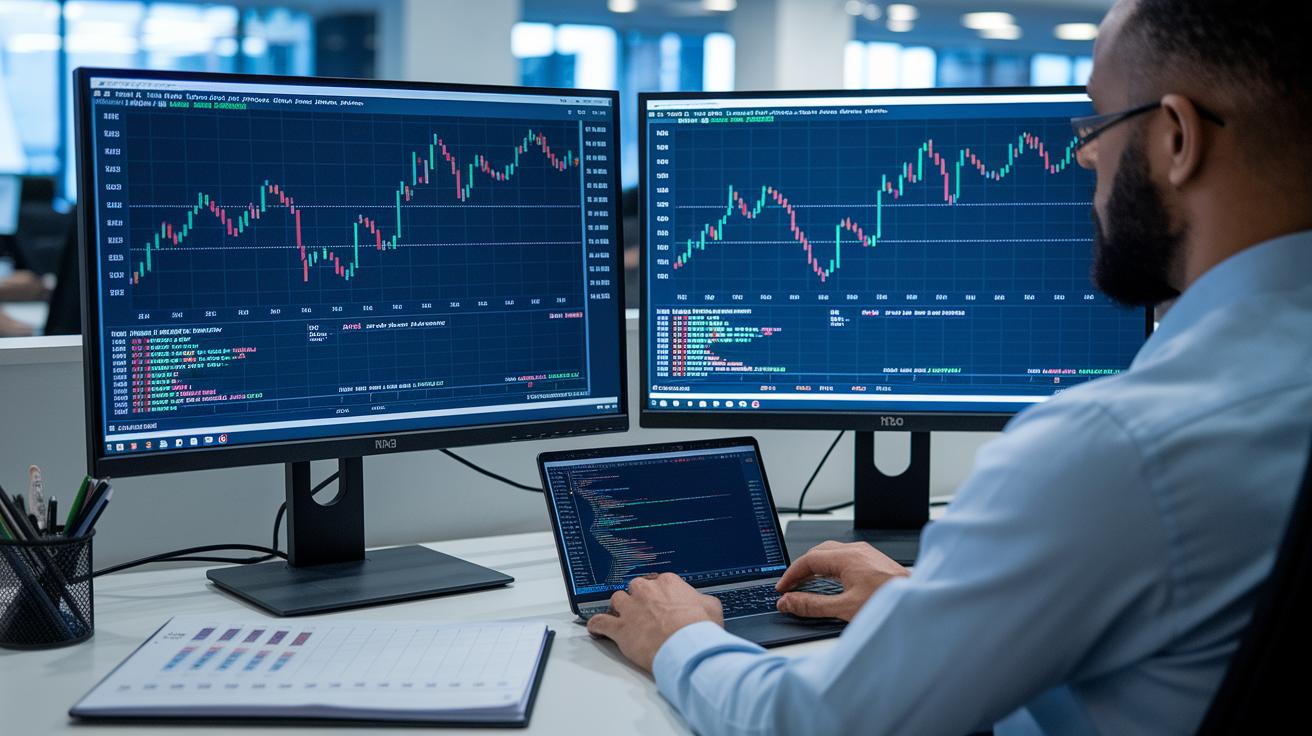
Using technical indicators is a key step in checking how well your trading ideas work with past market data. When you set clear buy and sell rules, it takes the guesswork out of the process. For example, you might decide to sell when the RSI (which measures if a market is too high or too low) goes over 70 and to buy when it drops below 30. You can easily set up these rules using Excel functions like =WEBSERVICE() or even by coding with Python libraries to run the numbers for you.
A well-defined system lets you compare several indicators at once to see which one fits your strategy best. Next, check out the table below that lists some common indicators, their main uses, and their important settings:
| Indicator | Primary Use | Key Parameters |
|---|---|---|
| SMA Crossover | Shows trend changes by comparing short-term and long-term movements | Short-term period, long-term period |
| RSI | Signals if a market might be too high (overbought) or too low (oversold) | Thresholds (e.g., above 70, below 30) |
| MACD | Tracks shifts in momentum by comparing moving averages | Fast period, slow period, signal line period |
| Bollinger Bands | Measures price swings and spots potential reversal points | Moving average period, standard deviation multiplier |
| Candlestick Patterns | Highlights short-term price movements like reversals | Pattern criteria such as doji or hammer |
| Chart Patterns | Helps confirm trends and find breakout areas visually | Trendline definitions, breakout validation |
Each indicator should have a clear rule behind it. For instance, when using the SMA crossover, pick your moving periods carefully because even a small change can shift the signal timing. This hands-on approach helps you see how the market responds so you can tweak your strategies based on reliable historical data.
Evaluating Performance Metrics for Backtesting Technical Analysis Strategies

Let's start with the Sharpe ratio. This simple test compares the average returns to the bumps or swings in your investment. Think of it like checking whether a car’s fuel efficiency is really worth its price.
Next up is the profit factor. It tells you how much gain you might get for every loss by dividing total profit by total loss. When the number is above 1, it suggests that your trades could end up with a net gain over time.
Then, check out the maximum drawdown. This is simply the largest drop you see from a high point to a low point during your testing period. It gives you a clear idea of the worst-case scenario if things don’t go as planned.
After that, look at your win-loss ratio. This tells you how often your strategy picks winning trades by dividing the number of winners by the number of losers. It’s a quick way to see if your approach is mostly on target.
Also, run Monte Carlo simulations. This method runs thousands of pretend trials to add randomness and see if your results stay solid even when conditions change unexpectedly. It acts like a safety net against any overfitting.
You should also try walk-forward and out-of-sample testing. By examining historical data for hundreds of trades over 3 to 5 years, you can be sure that your system isn’t just lucky. It helps confirm that your key numbers stay consistent even outside the data used to build the strategy.
In short, using these performance metrics is essential. They help you understand if your trading strategy is built to last and if your backtested results truly offer reliable insights.
Optimizing Parameters and Preventing Overfitting in Technical Analysis Backtests
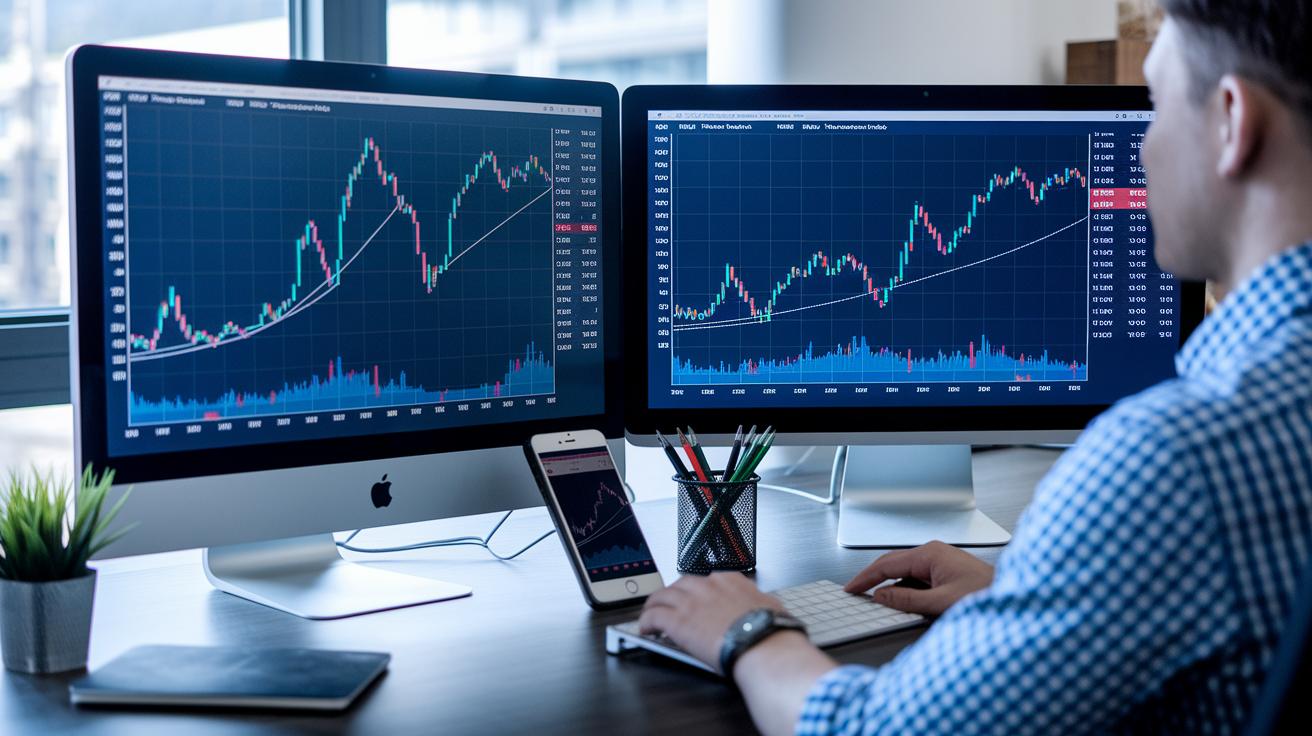
When you start fine-tuning your trading strategy, the first step is to test different settings for your indicators. You do this by changing one setting at a time to see how it affects your trading signals. This step-by-step approach helps you figure out which changes improve your performance and which ones make the strategy too fitted to old data.
A key part of this process is something called out-of-sample validation. Basically, you split your data into two groups: one part to adjust your indicators and another to test them on new data. Think of it like practicing on a backup field to get ready for the real game. This method helps you feel sure that your strategy can keep working even when the market changes.
Next, try using small tweaks on your entry and exit signals to see how they change your results. If little changes lead to big swings in performance, it might mean your plan is a bit too delicate. The goal is to avoid building a system that just reacts to past quirks instead of real trends.
Finally, keeping your system simple is a wise move. Fewer settings mean less chance of overfitting and a strategy that can adapt as things change. Always run quick tests on every tweak and keep adjusting until your results are steady on both old data and new tests. This way, your model stays strong and reliable.
Advanced Backtesting Software and Frameworks for Technical Analysis Strategies
Backtesting is all about testing your trading ideas in a pretend market before you commit real money. Platforms like MetaTrader 4 and ProRealTime make it simple to watch your strategies play out using detailed price data. They even factor in things like trade costs, such as slippage (when the price changes unexpectedly) and spreads (the gap between buying and selling prices), so you get a realistic sense of performance.
If you enjoy coding, Python libraries like Backtrader and Zipline give you the freedom to design your own tests. They help you run tests with historical data, making sure to include factors like trading fees and other costs. For those who prefer R, there are packages that mix statistical strength with simulation power. And if you want something tailored exactly to your needs, MATLAB is a great way to build custom simulations.
Before fully trusting any software, try out small tests first. This way, you can be sure the simulation engine works well with your broker’s data and captures details like spreads and transaction fees accurately. In short, pick a platform that fits your skill level and testing needs. Test it with your broker’s feed to see how real-time data compares with your backtested results. This careful approach helps you build confidence that your strategy will hold up under live market conditions.
Incorporating Risk Management Scenarios in Backtesting Technical Analysis Strategies

When you add risk controls to your backtesting, it really helps you see how your strategy might hold up under real market pressure. Start by setting clear stop-loss and take-profit levels. These act like safety nets by signaling when to exit a trade if the price hits a set point. For a deeper dive into shaping these rules, check out what is risk management.
Don't forget about transaction costs. It’s important to factor in slippage (that little gap when the price you get differs from your expected price) and the fees that pile up with each trade. Modeling these costs accurately gives you a clearer look at the real profits and losses.
It also makes sense to simulate trades for your whole portfolio rather than looking at each asset on its own. By doing this, you can see how mixing different assets helps manage overall risk. Diversifying in your backtests shows that you’re not leaning too hard on just one asset or market condition. Consider these steps in your risk management setup:
- Use clear stop-loss and take-profit measures
- Factor in slippage and fees when evaluating transaction costs
- Simulate portfolio diversification and watch for drawdown scenarios
- Keep detailed trade logs to see how your strategy performs in different market conditions
In short, incorporating these risk management scenarios makes your backtesting tougher and more realistic, preparing you for the ups and downs of actual trading.
Final Words
In the action, we broke down key steps for testing trading ideas using clear entry/exit rules, quality historical data, and practical indicator tests. We explored performance metrics, refined strategies to avoid overfitting, and compared leading software for realistic simulations.
Each segment offered simple steps to boost portfolio building and adapt risk management models. All these insights combine to empower secure, diversified decision making with solid clarity in backtesting technical analysis strategies.
