
Have you ever wondered if a blockchain can be as quick as your heartbeat? Avalanche proves it can, offering a network that confirms transactions almost instantly. It uses a system called Proof-of-Stake (a method where coin holders help secure the network, much like casting votes) and a smart design that lets digital assets, smart contracts, and other network tasks work together like a well-matched team.
What makes Avalanche special is that it opens up new ways for both developers and everyday users to explore the crypto world. It’s rewriting the rules of speed and security in a way that feels almost effortless. With these bold innovations, Avalanche is leading us toward a brighter future for blockchain technology.
avalanche blockchain Shines Bright in Crypto Innovation

Avalanche is a fast, user-friendly blockchain that uses a Proof-of-Stake setup, making it safe, scalable and decentralized. It works with a unique system that confirms transactions almost instantly, much like a digital checkmark that never fades. The AVAX token is the heart of the network, handling transaction fees, staking rewards and even votes when big decisions need to be made.
The platform is built on three main chains. The X-Chain is where digital assets are created and managed. The C-Chain runs smart contracts and is designed to work with Ethereum tools, so developers can easily bring over familiar code. The P-Chain takes care of network tasks like staking and coordination, keeping everything running smoothly. Plus, custom subnets let projects set up their own network spaces with rules that suit their specific needs, almost like getting a suit tailored just for you.
This innovative setup mixes strong security with flexible design to change the way blockchain networks work. It supports secure transactions that are almost immediate and paves the way for exciting new digital projects. In short, Avalanche stands out as a shining example of the future of crypto innovation in our ever-evolving market.
Avalanche Blockchain Consensus Mechanism and Subnet Architecture

Avalanche relies on a Proof-of-Stake system mixed with Byzantine Fault Tolerance (a way to keep things secure even if some participants act badly). Validators put up AVAX tokens to check transactions and then earn rewards based on how much they staked. Even if a few nodes don't follow the rules, the system stays steady like the constant beat of digital finance.
At the heart of the network are three unique chains. The Exchange Chain (X-Chain) takes care of issuing assets and managing them, keeping these tasks separate from everything else. Meanwhile, the Contract Chain (C-Chain) handles smart contracts with Ethereum-ready code, making it easy for those familiar with Ethereum, and the Platform Chain (P-Chain) focuses on network coordination and staking. Think of it as a well-built structure with each floor designed for a specific task.
Custom subnets let projects launch their own blockchains with unique rules, permissions, and performance goals. It’s like setting up a dedicated workspace tailored just for that project’s needs, ensuring everything runs exactly as planned.
Avalanche Blockchain Performance: Speed, Finality, and Scalability

Avalanche stands out with transactions that are confirmed almost instantly. Imagine sending a quick digital note that is stamped right away, unlike Ethereum where you might wait 12 to 15 seconds. Once a transaction is set in stone on Avalanche, it's permanent, filling everyone, developers and regular users alike, with real confidence.
Fees on Avalanche are also a breath of fresh air compared to the high costs on Ethereum. Think of it like riding a modern, efficient train where the ticket price is much lower. And with its Proof-of-Stake system (a method where users help verify transactions by staking coins, which uses far less energy), Avalanche offers an eco-friendly option that saves both energy and money.
The network is built to handle heavy loads, processing thousands of transactions every second. Picture a bustling highway designed with plenty of lanes that keeps traffic flowing smoothly even on busy days. This strong performance makes Avalanche a great choice for big decentralized applications looking to grow without a hitch.
| Blockchain | Finality Time | Average Fee | TPS |
|---|---|---|---|
| Avalanche | Near-instant | Low | Thousands |
| Ethereum | 12–15+ seconds | High | Dozens |
Avalanche Blockchain Ecosystem: Smart Contracts, DApps, and Use Cases

Avalanche makes it simple for developers to shift their existing Ethereum-based contracts to its platform without the hassle of rewriting code. Since it fully supports the Ethereum Virtual Machine (EVM), developers can transfer projects as easily as moving household items from one room to another. For example, one might dive into smart contracts and start building decentralized applications right away, much like testing out a tried-and-true recipe.
But it’s not all about coding. Avalanche shines in practical, real-world uses too. Think of a big firm like Deloitte that relies on it to speed up disaster-relief payments, helping FEMA deliver assistance faster. This shows how Avalanche can handle high-stakes financial tasks securely and quickly, giving everyone peace of mind.
Then there’s the world of ticketing and rewards. Dreamus’s OK Cashbag ticketing app uses Avalanche to reach 21 million users in a booming $230 million market. This real-life example highlights how the platform powers large-scale decentralized applications while keeping costs low and interactions nearly instant.
Gaming also gets a boost from Avalanche’s capabilities. Gunzilla, a major AAA game project, taps into the platform for fast and smooth contract execution, ensuring a seamless gameplay experience. Looking ahead, it’s exciting to imagine how digital economies and customer experiences might blend perfectly with such cutting-edge technology.
Avalanche Blockchain Tokenomics and Governance with AVAX
AVAX is the heart of the Avalanche network. It covers transaction fees, supports votes on network changes, and earns you staking rewards. Validators lock up their AVAX tokens to check transactions, and the more you stake, the higher your chance to earn rewards, kind of like mixing the best ingredients for a winning recipe.
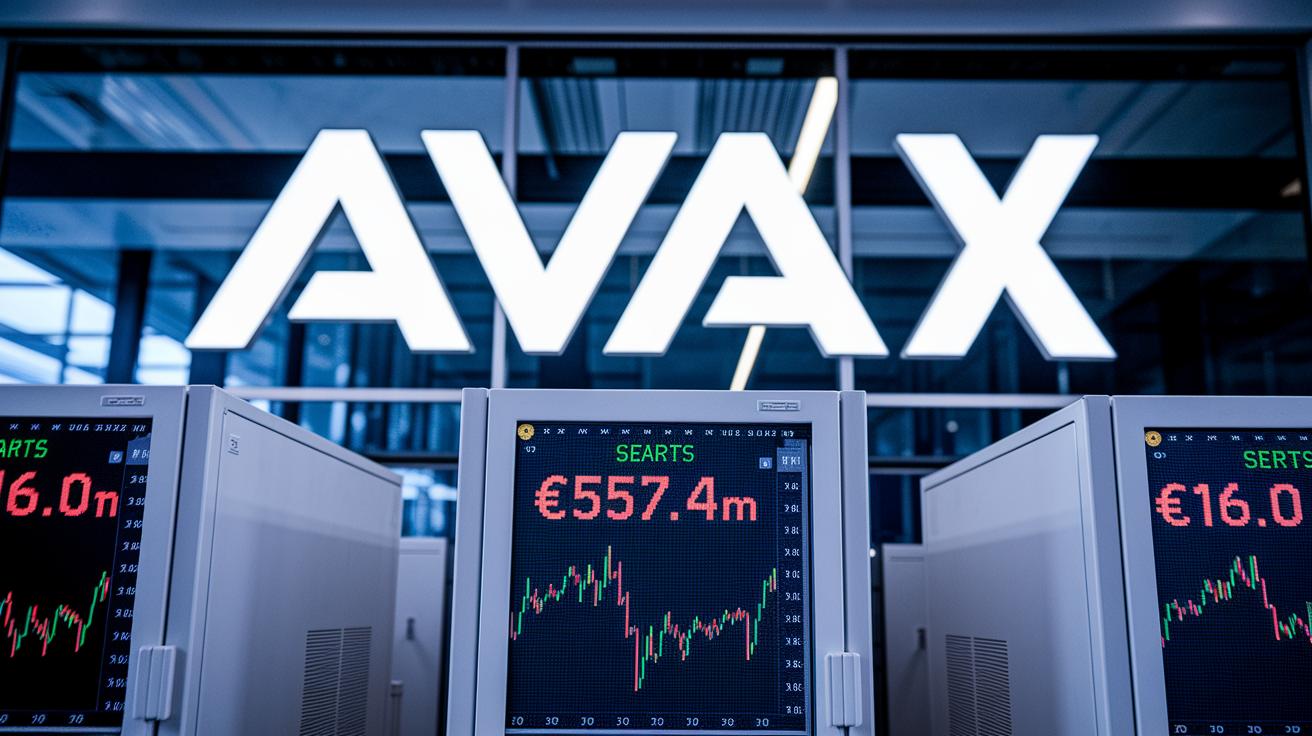
Avalanche uses a fixed total supply with a set issuance rate, so you know exactly what to expect over time. Right now, the network holds a market cap of about €557.4 million and AVAX is priced near €16.03, showing a slight dip of 2.23%. This clear approach helps investors understand the asset's long-term outlook.
Daily transactions on Avalanche cost very little because of the low fees. And AVAX holders get to vote on important updates that improve the network. It's like making a small tweak to a machine that makes the entire system run much smoother.
All in all, AVAX’s design, from staking rewards to a transparent supply, brings both stability and growth potential. In short, this smart, easy-to-follow model welcomes both seasoned and new investors looking for solid, dependable financial innovation.
Avalanche Blockchain Security, Interoperability, and Developer Resources

Avalanche keeps its network safe by mixing Proof-of-Stake (a way to choose validators based on the coins they own) with Byzantine Fault Tolerance (a method that makes sure the system runs well even if a few computers misbehave). Think of it like having a team where almost everyone cooperates, so you can trust that all transactions stay secure and correct. This blend of smart tech helps maintain a stable and reliable digital ledger.
Interoperability is another big win for Avalanche. The platform works perfectly with Ethereum Virtual Machine (EVM, which lets apps built for Ethereum run without changes), so developers can easily move over their Ethereum-based apps. It’s a bit like swapping out old parts for shiny new ones without any hassle. This smooth transition helps bridge older systems with the latest blockchain innovations.
Developers have plenty to explore on Avalanche. Ava Labs offers open-source documents, GitHub repositories, and a detailed developer resource center. Here, you can dive into everything from code checks to the frameworks used for testing. Custom subnets act as private testing grounds or special spaces for tailored blockchain projects, making it easier to build anything from scratch. And if you're crafting or checking out crypto smart contracts, there are handy guides and toolkits to help you out every step of the way.
By keeping support open and transparent, Avalanche makes it simpler for innovators to build secure, connected apps that are ready for the digital future.
Avalanche Blockchain Origins: Founding, Timeline, and Milestones

Ava Labs kicked off Avalanche in September 2020 to fix problems seen in older blockchains like laggy speeds, steep fees, and heavy energy use. It was started by Professor Emin Gün Sirer with a simple idea: create a blockchain that works fast and handles lots of transactions easily. Think of it like building a high-performance sports car where every part is built for speed and finesse.
In 2020, everything changed with the mainnet launch, which opened the door for quick transactions and real scalability. One big moment was when Avalanche became compatible with Ethereum, letting developers shift their smart contracts as smoothly as rearranging a room. Another impressive step was the rollout of custom subnets, which let projects set up their own rules and fine-tune network performance just the way they needed.
The future looks bright too. With ongoing upgrades to how consensus is reached and efforts to grow the ecosystem, every step in Avalanche’s history shows how smart, focused innovation can reshape modern finance. Much like an artist adding fresh techniques to a timeless masterpiece, Avalanche keeps refining its design to tackle the digital transaction challenges of tomorrow.
Avalanche Blockchain Comparison: Ethereum, Bitcoin, and Altcoin Networks

Avalanche is giving blockchains a fresh spin by offering lightning-fast transactions compared to Ethereum and Bitcoin. While Ethereum used to take about 12 to 15 seconds to seal a deal, Avalanche wraps things up almost instantly. It's like swapping an old dial-up connection for a speedy internet line, your transaction is confirmed before you even have time to blink. And with lower fees, it helps you save those precious pennies.
Bitcoin, on the other hand, still runs on a method called Proof-of-Work, a system that needs lots of energy and can only handle roughly 7 transactions each second. Avalanche breaks the mold by using a blend of Proof-of-Stake (where validators secure the network by staking tokens) and Byzantine Fault Tolerance (a way to keep the network steady even if a few participants cause trouble). This mix lets Avalanche process thousands of transactions per second, boosting performance while keeping energy use in check.
Another neat thing about Avalanche is its modular subnet design. This setup lets you build custom blockchain networks tailored to specific project needs, a flexibility that many altcoin networks lack. Plus, with built-in support for the Ethereum Virtual Machine (a tool that helps run Ethereum apps on different blockchains), Avalanche makes it easy for developers to shift projects smoothly between various blockchain environments.
Final Words
In the action, we saw how avalanche blockchain combines a unique consensus model with flexible subnet architecture. This design makes transactions quick and fees low while keeping the network secure. The blog also highlighted AVAX token utility, smart contracts, and real-world examples. Each section built on clear, practical insights that empower investors to create a strong digital asset portfolio. It's refreshing to see such a detailed yet approachable look at modern digital finance.
FAQ
What is the current AVAX and Avalanche crypto price?
The AVAX and Avalanche crypto price indicates the current market valuation based on trading activity. Investors typically refer to financial exchanges and trusted crypto platforms for live updates and trend insights.
What does Avalanche crypto news cover?
The Avalanche crypto news covers updates on market movements, network changes, protocol upgrades, and ecosystem developments, offering investors and developers a quick view of important trends.
Who uses the Avalanche blockchain?
The Avalanche blockchain is used by developers, institutions, and companies deploying decentralized apps, smart contracts, and enterprise solutions, including notable projects in finance and gaming.
What does the term Avalanche network refer to?
The Avalanche network refers to a high-performance blockchain platform with near-instant finality, low transaction fees, and scalable consensus designed to support a wide range of decentralized applications.
Who is the founder of Avalanche?
The Avalanche founder is Professor Emin Gün Sirer, who launched the project through Ava Labs to address challenges in scalability, efficiency, and digital asset transactions.
Who comprises the Avalanche crypto team?
The Avalanche crypto team is made up of skilled engineers, researchers, and industry experts at Ava Labs who continuously improve the protocol, focusing on security, performance, and ecosystem growth.
When was Avalanche crypto founded?
Avalanche crypto was founded in September 2020 by Ava Labs, emerging as a blockchain solution designed to provide faster, more energy-efficient digital asset transactions and improved scalability.
What blockchain is Avalanche built upon?
Avalanche is built as an independent blockchain that uses its unique Proof-of-Stake consensus model while supporting interoperability with Ethereum through EVM compatibility for smart contract integration.
Is Avalanche considered a good blockchain?
Avalanche is seen as a robust blockchain due to its near-instant finality, low fees, energy-efficient design, and versatility in supporting diverse decentralized applications and financial solutions.
What are Avalanche’s three main blockchains?
Avalanche’s three main blockchains are the X-Chain for asset creation, the C-Chain for smart contracts and interoperability, and the P-Chain for network coordination and subnet management.
Does AVAX have a promising future?
AVAX, as the native token of Avalanche, carries promising potential driven by its growing use in decentralized finance and smart contract applications, further supported by its strong, scalable network.
