
Have you ever wondered if relying on your gut is enough in today’s fast-paced business world? These days, smart companies lean on clear, simple data to catch trends early and stay ahead.
In this post, we’ll show you how to turn raw numbers into real actions that make a difference. It’s a bit like checking a map before a long trip, one wrong turn can really set you back. With a straightforward guide and easy steps, you’ll soon see why keeping an eye on market trends can help sharpen your strategies.
Step-by-Step Guide to Analyze Market Trends for Strategic Decisions

Market trend analysis is all about using data to uncover patterns and make smart choices. Take a moment to think: not long ago, business decisions were made on a hunch, but now we rely on solid numbers. This shift helps lower risks and boost returns by fine-tuning product development, marketing, and resource planning.
Start by setting clear goals. Decide exactly what you want to learn, whether it’s about economic patterns or business activity. Picture it like planning a road trip: without a destination, every turn might lead you astray.
Next, dive into industry news. Keep an eye on trusted publications to feel the market’s rhythm. Then, try out research tools like Google Trends (which shows popular search topics), Statista, and BuzzSumo. For instance, a marketer might say, “Watching search trends often points to the next big customer interest.”
After that, gather insights from your customers. Use surveys and social media to listen to their real thoughts, much like having an honest chat. This can really clear up any subtle changes in buying habits.
Then, use predictive analytics to look ahead. Simple statistical methods and trend data can flag important market shifts, helping you act at the right time.
Finally, stay on top of changes as they happen. Keep updating your data so your strategy stays in rhythm with the market. Each of these steps builds a fuller picture, helping you make choices that truly match what’s happening out there.
Key Methods to Analyze Market Trends with Economic and Trading Indicators
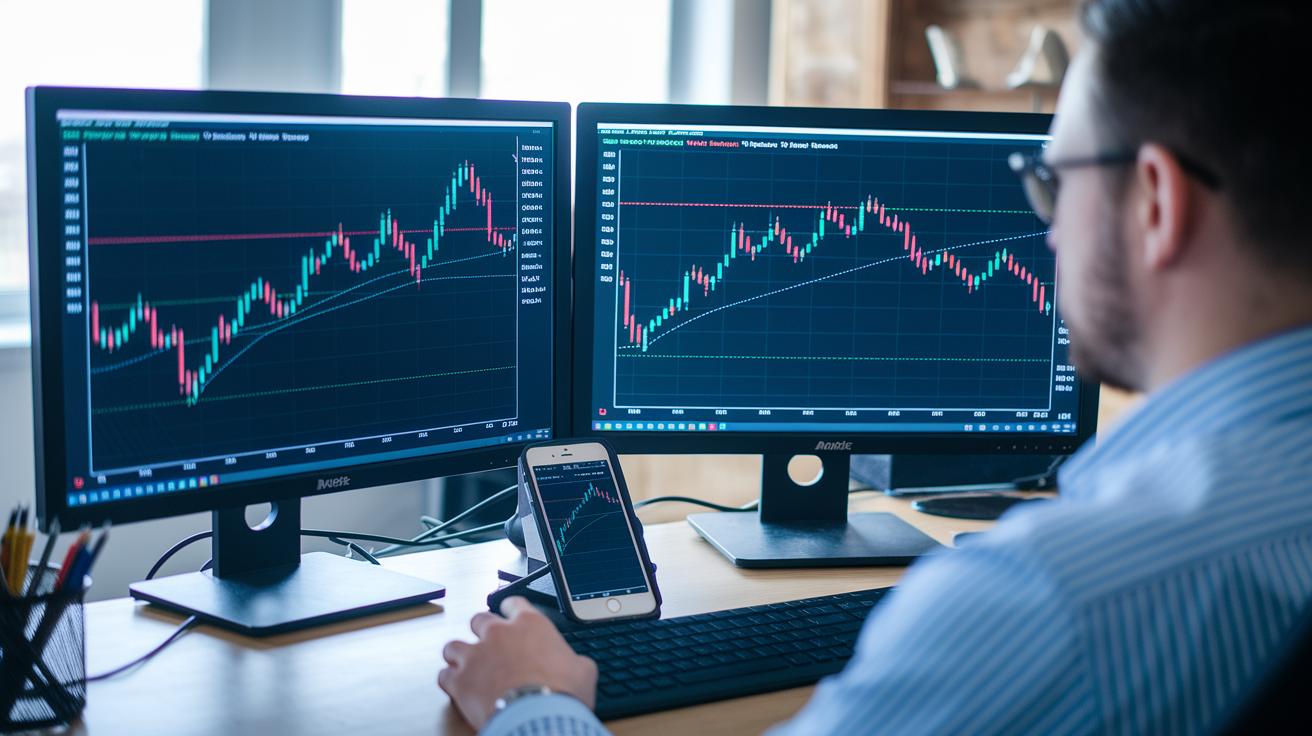
Technical analysis looks at past stock data by checking price trends, trading volumes, and chart patterns to catch shifts in momentum. For example, a trader might spot a clear move in a candlestick chart (a type of chart that shows open, high, low, and close prices) that hints a reversal could be coming. You can dive deeper into technical analysis in investment if you're curious. Essentially, it helps you pick up short-term signals and quickly sense changes in market mood.
Fundamental analysis, on the other hand, digs into the economy by reviewing financial statements and big numbers like GDP (which shows a country's overall production), CPI (a look at price changes), and PPI (which tracks what producers get paid). It also checks industry reports to understand the overall health and shifting structure of the market over time. This approach is great for figuring out economic trends and the real strength behind a company's position.
When you put technical and fundamental analysis together, you get a richer, more complete picture. This method blends hard numbers with insights like customer trends to help analysts see both specific trading signals and broader economic messages. In short, mixing these techniques gives you practical insights so you can spot consumer shifts and navigate market trends, making it easier to decide when to buy, hold, or sell.
analyze market trends for smart insights
Ever notice how a well-drawn chart can reveal hidden stories? Data visualization is like turning on a light in a dark room, making secret patterns easy to see. For example, a simple line chart can track market moves over time, much like feeling the steady beat of a bustling city. Picture that line steadily rising, just like watching a sunrise spread its glow over the horizon. And then there are candlestick charts, which break each day into small pieces, almost like solving a fun puzzle with clues hidden in each detail.
Heat maps and bubble charts add even more flavor to the picture. They use bright colors and sizes to show data in a way that's easy to understand. Imagine a heat map that highlights where people’s eyes are drawn, similar to spotting warm spots on a weather map during a busy day. Bubble charts work too, with circles that grow or shrink to show different market segments at a glance, making trends jump right out at you.
Real-time dashboards bring it all together by mixing insights from tools like Google Trends, social media, and survey results. They grab the freshest data on the fly, turning raw numbers into clear, visual signals. This smooth, all-in-one view lets experts quickly see what’s happening and turn those smart insights into actions you can count on.
Critical Metrics for Monitoring Market Trends and Price Movements
Keeping an eye on market trends means checking key numbers that show what’s happening right now. The relative strength index, or RSI (which measures how fast prices move), can alert you when something might be too expensive or too cheap. Moving averages help smooth out daily price changes to reveal the overall trend, and the MACD (short for moving average convergence divergence, a tool that spots shifts in momentum) can hint that a change might be coming.
Big-picture numbers like GDP growth, inflation rates, and unemployment give clues about the economy’s overall health. These figures set the stage for why markets move the way they do, influencing trading decisions every day.
On a closer level, numbers such as sales growth, market share, and price elasticity show how businesses are performing when demand shifts. Data on trading volume, the VIX (a quick look at market risk), and bid-ask spreads help you feel the market’s mood and risk level. Looking at snapshots over weeks, months, quarters, or even years lets you tell short-term ups and downs apart from longer trends, giving clear signs when it’s time to act.
Forecasting Strategies to Analyze Market Trends and Project Industry Tendencies

When we talk about predicting market trends, it's all about blending number-based methods with smart computer tools to get a peek into what industries might do next and how money flows could change. Think of it like preparing for the weather by checking past patterns.
Statistical forecasting uses time-series models like ARIMA or exponential smoothing (methods that study past patterns to guess future changes) along with regression analysis and machine learning. It’s much like a weather report that uses old climate data to predict tomorrow’s conditions.
AI-driven forecasting takes things a bit further. It uses neural forecasting tools, API data feeds, and cloud analytics (simple ways for computers to learn from live data) to offer timely insights. This real-time information helps businesses adjust quickly. I once heard a smart analyst say, "My AI tool spotted a jump in customer demand just in time to boost inventory."
Some advanced methods even mix hard numbers with customer feedback. Research shows that combining what the data says with real people's opinions can fine-tune predictions on demand changes and pricing trends. For example, the 2025 US Spending Trends Report shows how these strategies help shape better inventory and pricing plans during busy times.
In short, by using these forecasting strategies, businesses can be more prepared for changes, adjust their plans quickly, and stay one step ahead in a competitive market.
Applying Market Trend Analysis: Industry Examples and Case Studies

Businesses learn a lot when they keep an eye on market trends. In retail, holiday seasons give off clear signals. For instance, a sudden rush of customers on Black Friday might feel like a tide turning overnight, and that quick burst of activity can push a store to restock and boost its marketing efforts.
Economic shifts can change the way consumers spend, too. Even a small rise in interest rates might lead folks to cut back on expensive items, nudging businesses to fine-tune their prices or offer more budget-friendly choices. This adjustment helps them hold firm in unpredictable times.
Big reports also lend a hand. The 2025 UK Media Consumption Report, for example, shows shifts in our digital habits that shake up traditional advertising channels. Meanwhile, the 2025 US Spending Trends Report reveals strong growth in areas like health and wellness. These findings help companies gauge their progress and spot new opportunities in the market.
Keeping an eye on the competition is just as important. Companies often study rivals’ web traffic and growth trends to catch a glimpse of changing customer tastes. This kind of competitive check can spark fresh ideas for products or more targeted marketing strategies.
In short, case studies like these offer practical insights that businesses can use to tweak their strategies based on real data. Smart trend analysis not only drives better decisions but also keeps companies agile in a fast-changing market.
Essential Tools and Dashboards to Analyze Market Trends in Real Time
Unified research platforms mix survey results, social media chatter, and search data from over 140 million people in 80 countries. They work like a real-time radar, spotting changes in customer feelings so you don’t have to jump between different tools. One analyst even said it felt like watching live weather alerts for the market’s mood.
Cloud analytics solutions bring in extra smarts by merging live data with custom key performance indicators (KPIs, which basically show how well your business is doing). These cloud-based dashboards send out instant alerts when something important shifts, like a change in competitor behavior or a slight dip in demand. Picture your dashboard pinging, "Significant activity detected in engagement metrics – review your strategies."
In short, combining these unified research platforms with cloud dashboards gives you a clear, streamlined view of market trends and delivers practical insights right when you need them.
Final Words
in the action, this guide breaks down how to analyze market trends by setting clear goals and using both technical and fundamental strategies. We looked at key methods, data visualization tools, and critical metrics that shed light on market shifts. The article also explored forecasting techniques and real-life examples that help shape secure and diverse portfolios. Embrace these insights and tools to make smart, forward-thinking decisions while staying prepared for what lies ahead.
FAQ
What are some examples of market trend analysis?
Market trend analysis examples include reviewing seasonal shifts, tracking consumer buying behavior, and comparing competitors’ performance through charts and dashboards that show real-time data.
How can one analyze market trends using free tools or PDF reports?
Analyzing market trends for free can be done with online platforms like Google Trends and Statista, or by consulting PDF reports that compile historical data and customer insights in a clear, accessible format.
How do you analyze market trends and stock market trends?
Analyzing market trends, including those in the stock market, involves reviewing historical data, applying technical indicators such as moving averages, and gathering customer feedback to spot shifts and opportunities.
Why is it important to analyze market trends?
Analyzing market trends is important because it helps guide strategic decisions, reduces risks, and supports smart choices in product development, marketing, and overall investment planning.
Which tool is commonly used to analyze market trends?
A commonly used tool is Google Trends, which collects real-time search data to help users track shifts in consumer interest and quickly assess market sentiment.
