
Have you ever thought your daily spending might hint at a brighter future? It's surprising how our shopping habits, even when times were tough with high prices and slow markets, are setting the stage for new kinds of growth.
Recent data shows that the way we shop is changing in clear and hopeful directions. When you look back on hard times like the recession and compare them with today's trends, it feels like there could be a path toward a stronger economy.
It's almost as if our everyday purchases are quietly paving the way for better days ahead.
Overview of Historical and Current Consumer Spending Patterns

Back in the day, spending habits shifted in ways that almost seem unbelievable. Take the 1840 election season, for example. Everyday folks suddenly found themselves paying nearly double for the things they needed because of high inflation and high prices. It was a shock, kind of like a sudden, painful reality check, and it set the stage for understanding how spending patterns can transform over time.
Then came the tough years of the 2007–2009 Great Recession. During that period, many Americans lost confidence in the market, and spending took a hard hit. People started tightening their belts as economic pressure built, a clear reminder of how our wallets can react to uncertainty.
Today, fresh data from the US Bureau of Economic Analysis for the first half of 2023 tells a new story. Spending numbers, both overall and in specific categories, are changing. This isn’t just about our local habits either, global trends show that different regions are feeling various economic forces, all mixing together in today’s market dance. For more on this, check out current market trends via this link: https://nftcellar.net?p=442.
Looking ahead, Mastercard Services tells us that although risks like inflation still loom, consumer spending is expected to keep growing steadily in 2024. The global financial outlook (see https://thepointnews.com?p=7224) backs up this cautious optimism. In short, by looking at both the past and what’s happening now, we get a clear picture of how consumer spending evolves, from the lives of individual households to the broader global stage.
Economic and Policy Drivers of Consumer Spending Trends

When jobs are plenty, people earn extra cash they can spend. But rising prices mean that money doesn’t stretch as far. About half of shoppers feel down about their local economy, and nearly two-thirds worry about high prices. This situation creates a tug-of-war: steady employment and higher wages encourage spending, while increasing costs force folks to be more careful.
Government actions can also shift how we spend. When COVID-19 stimulus checks hit, they gave families a quick boost, letting them buy what they needed despite uncertain times. This example shows how quick moves by the government can change spending patterns, as explained in the impact of fiscal policy on economic growth report.
The stock market’s ups and downs can shake our confidence too. When market drops make people uneasy, big purchases often get delayed. Even fuel prices play a role. Lower gas prices might encourage trips to local stores, while steep prices can make people think twice about leaving home. At the same time, rising interest rates have made loans more expensive, limiting access to credit. Overall, big economic forces, government rules, and changing commodity prices mix together to shape spending habits, sometimes in expected ways and sometimes in surprising ones.
Demographic and Sector-Specific Consumer Spending Behavior Trends

Consumer spending is taking a new turn as different groups and sectors shift their priorities. Many US consumers now spend more on experiences rather than buying things. In fact, 58% of their budget now goes toward memorable moments, which is 14% higher than the global average. It seems people are opting for unique adventures and heartfelt moments over traditional purchases.
Flexible payment options are a big hit with younger buyers. In the US, Millennials (13%) and Gen Z (10%) often use buy-now-pay-later services to manage their budgets. This helps them enjoy what they love without feeling strapped for cash. Over in the UK, organic product sales have jumped by 16% between Q1 2023 and Q3 2024, showing that many are leaning toward healthier and more sustainable choices these days.
Urban consumers are making thoughtful decisions too; 60% are ready to pay a little extra for eco-friendly goods. This trend is especially strong among Millennials and Gen Z, who are mindful of environmental issues. Also, UK young adults are catching onto digital trends, with 13% of Gen Z and 15% of Millennials starting to use cryptocurrencies, digital assets that many find promising in today’s fast-changing market.
Here's a snapshot of some key trends:
| Trend | Data |
|---|---|
| UK organic product sales (Q1 2023 to Q3 2024) | Up 16% |
| Urban consumers favoring eco-friendly purchases | 60% |
| US budgets devoted to experiences | 58% |
| US Millennials using buy-now-pay-later services | 13% |
| US Gen Z using buy-now-pay-later services | 10% |
| UK cryptocurrency adoption among Gen Z | 13% |
| UK cryptocurrency adoption among Millennials | 15% |
Overall, these shifts remind us that spending trends evolve with our values. Whether it's about cherishing a surprising outing, choosing products that care for the planet, or diving into the digital currency scene, every choice reflects a little bit of who we are today. Isn’t it interesting how these trends capture our changing world?
Seasonal and Monthly Consumption Patterns in Consumer Spending

Consumer spending flows in clear waves that many of us feel in our wallets. During November and December, retail expenses jump up as people rush to buy gifts and take advantage of festive deals. In the warmer months, travel spending grows too, with many booking flights before even thinking about hotels. It’s a pattern as obvious as a shopper saying, "I waited for the holiday rush to grab the best deals!"
During weekday middays, spending habits take on their own character. In large, busy cities, many folks spend on quick lunches or small purchases as they head back to work. Also, subscription services see steady sign-ups, especially when popular streaming services drop new releases. Each month shows its own spending focus, mirroring both seasonal needs and everyday lifestyles.
| Month | Peak Spending Category |
|---|---|
| January | Subscription Services |
| February | Subscription Services |
| March | Airfare Bookings |
| April | Return-to-Office Spending |
| May | Travel Preparations |
| June | Hotel Payments |
| July | Travel Expenditure |
| August | Midday Commuter Spending |
| September | Subscription Services |
| October | Pre-Holiday Retail |
| November | Early Holiday Retail |
| December | Holiday Retail Spending |
Forecasting Consumer Spending Trends for 2024 and 2025
2024 Expenditure Forecast
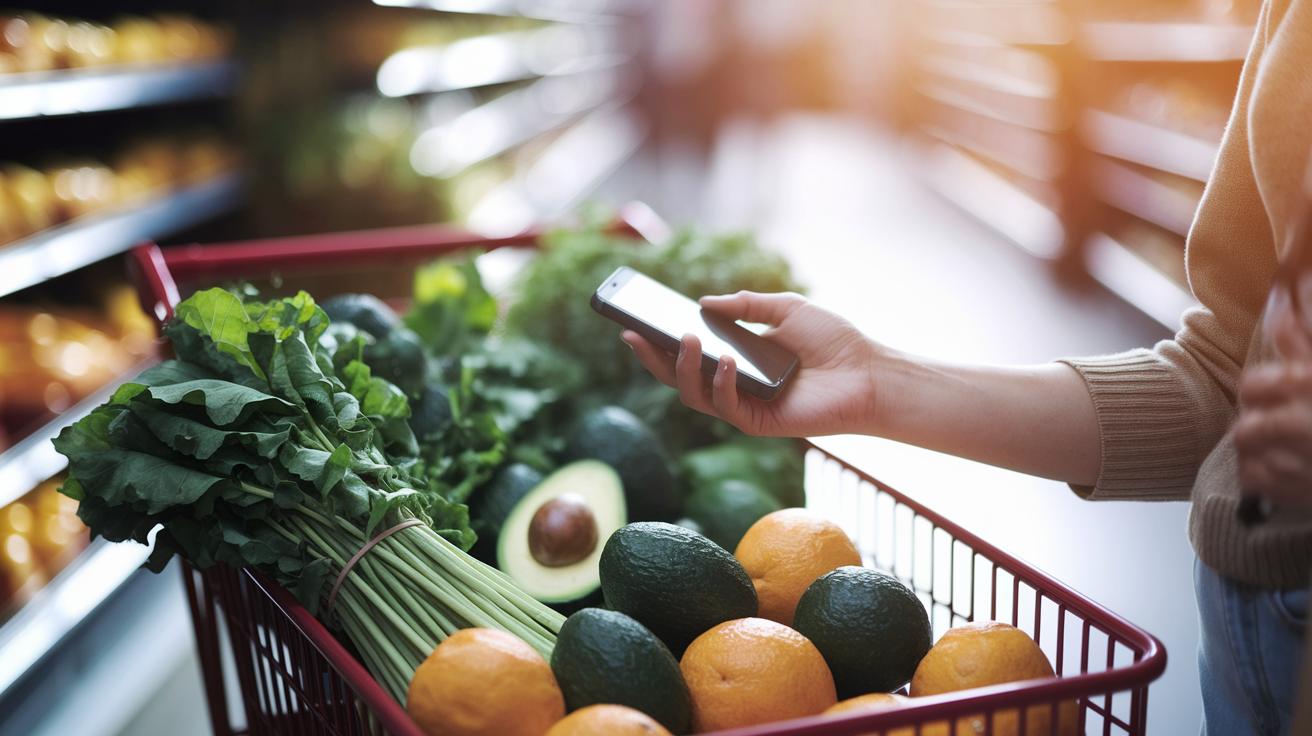
In 2024, many people are expected to gradually increase their spending. Even though there’s some caution because of issues like rising prices (inflation, which means the everyday cost of items is going up) and delays in getting products, shoppers still plan to spend more when they see clear value. It’s like watching a garden slowly bloom even when the spring is a bit unpredictable. Many families are keeping a close eye on their budgets, making sure every purchase is carefully considered, which in turn helps keep spending on a solid, steady track.
2025 Spending Predictions
Looking ahead to 2025, spending is set to take on a fresh twist. More consumers are expected to look for products that are good for the planet and to switch more to digital payment tools, like mobile wallets (digital apps that let you pay easily without cash). Experts say that over half of shoppers might pay extra for eco-friendly goods, and a good number are using mobile wallets every month. Leisure and fun will also keep playing a big part in where people decide to spend, with many looking for both value and a bit of relaxation when they travel or enjoy entertainment. Subscription services, such as streaming shows or even signing up for social media perks, are growing steadily, reflecting a trend where health, wellness, and personal enjoyment line up with smart spending choices.
Implications of Consumer Spending Trends for Businesses and Investors

Consumer spending trends give businesses and investors a clear view of where to find new growth and boost earnings. By mixing local industry details with big-picture clues like pricing and forecasts, companies can tweak their marketing plans and sharpen their sales targets. It’s a bit like watching the steady pulse of digital transactions, in real time, these trends show where customers are heading and what they’re ready to buy.
Take Starbucks as an example. One year after Brian Niccol stepped in, the company shifted its game plan. This new approach changed how Starbucks connected with its customers and sparked fresh growth. It shows that when companies adjust their strategies quickly based on spending habits, they can really turn things around.
Today, many businesses are using modern tools like the Q3 2025 Experience Research Platforms Landscape. This report helps firms test out new ideas and capture what customers are really feeling. In simple terms, it takes the guesswork out of aligning product launches and promotions with what people want right now.
- Use both local details and big market trends to get pricing and forecasts right
- Refresh customer engagement tactics with smart, specialized tools
- Look at examples like Starbucks to get ideas on effective strategy shifts
By blending these methods, both businesses and investors are better positioned to tap into emerging trends and build a solid base for future success.
Tools and Data Sources for Tracking Consumer Spending Trends
Reliable data is like a solid foundation for making smart choices about consumer spending. The US Bureau of Economic Analysis provides both broad and detailed numbers on market activity, which makes it a must-have for anyone tracking trends. And platforms from Mastercard, such as Test & Learn and loyalty analytics, offer focused insights that let businesses compare live figures with their forecasts to fine-tune their plans.
Customer research reports dig deep into what people are doing, so companies can spot new shifts quickly. Data from point-of-sale systems and subscription analytics adds another layer of detail by showing real-time changes in spending habits. For example, a survey might uncover a sudden rise in subscription sign-ups, offering clues that help shape growth strategies. In short, by mixing these trusted public sources with unique internal tools, decision makers stay on top of changing spending patterns and can act quickly.
These tools come together like pieces of a puzzle, revealing how money flows between different sectors. They help leaders notice even the smallest shifts and grab new opportunities as they appear.
Final Words
In the action, we examined historical spending shifts, from the 1840 inflation challenges to the Great Recession, and reviewed today’s expenditure metrics using real-world data from trusted sources. We broke down how economic policies, changing demographics, monthly cycles, and forecasted market indicators shape smart digital asset strategies.
This discussion reinforces how tracking consumer spending trends helps frame secure, diversified investment decisions. Stay positive and focused as you build a well-informed digital asset portfolio.
FAQ
What is the trend in consumer spending in the US?
The trend in consumer spending in the US shows shifting patterns driven by economic conditions and seasonal behaviors, with technology and experiences influencing how budgets are allocated.
Is consumer spending slowing down?
The question on whether consumer spending is slowing down is answered by observing mixed signals in the market, where inflation and cautious sentiment sometimes result in slower growth despite occasional upticks.
What are the current consumer trends?
The current consumer trends reflect rising digital payments, a growing focus on experiences, and increased subscription activity, as shoppers adjust in response to economic influences and lifestyle changes.
What are the recent trends in consumer prices?
The recent trends in consumer prices reveal fluctuations driven by supply chain pressures and inflation, with data indicating that price changes are closely watched by analysts and consumers alike.
How does U.S. consumer spending vary by month and category?
The analysis of US consumer spending by month shows seasonal peaks during holiday and travel periods, while spending by category changes annually based on economic shifts and consumer priorities.
What are the forecasts for consumer spending in 2025?
The forecasts for consumer spending in 2025 indicate a tilt toward sustainable products and digital payment options, with experts predicting adjustments in leisure, wellness, and overall expenditure patterns.
