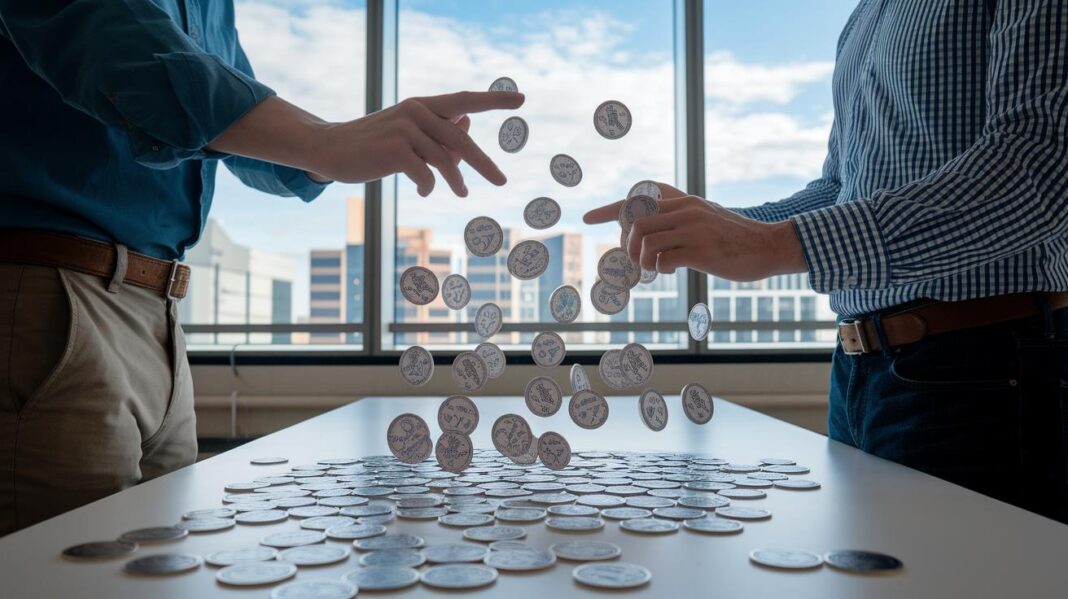
Have you ever wondered if your favorite painting or even your home could earn you digital rewards?
Tokenization of assets lets you change things like stocks, real estate, or art into secure digital tokens stored on a blockchain (a safe digital ledger that keeps track of every transaction). This method helps cut extra fees and speeds up the process, making investing easier and more open to everyone.
Next, let's explore how converting traditional investments into digital tokens could unlock new market opportunities. It might just change how you view what you own.
How Tokenization of Assets Converts Traditional Holdings

Physical assets like real estate, stocks, and fine art get a digital upgrade when their ownership rights turn into secure, cryptographic certificates stored on a blockchain, a digital ledger that keeps records safe. Think of it as a paper deed transforming into a digital voucher you can hold, trade, or check anytime.
Blockchain helps a lot here because it records every token trade in real time without needing a central boss. Its spread-out setup means every trade is logged permanently, which builds trust in the system. You can be confident that when you own a token, you really own the asset it represents.
Tokenization has some really handy uses. Investors can securely store digital tokens and trade them as easily as stocks. These tokens can even work as collateral, letting you borrow against your assets. By cutting out the middlemen, transactions become faster and cheaper. For instance, tokenized real estate lets investors dip into property markets without needing a bank or broker, opening the door to opportunities that once required big upfront investments and lots of hassle.
Key Benefits of Tokenization of Assets

Tokenization is changing how we manage assets. It makes investing simpler and more efficient by opening doors for more people to join while pushing technology forward.
- Fractional access – Think of owning a slice of a famous piece of art. It lets everyday investors grab a piece of high-value assets without needing a huge sum.
- Real-time trading – Imagine a market that's always open, like your favorite shop that never closes. You can buy or sell tokens anytime.
- Lower costs – Picture cutting out extra middlemen fees so that more of your money goes into your investments.
- Transparency – Every token move is recorded permanently, similar to writing down transactions in an unchangeable ledger.
- DeFi integration – With decentralized finance, or DeFi (a way to use digital money more openly), you can earn interest on your tokens or even use them as collateral. It's like getting extra rewards for smart moves.
All these benefits are shifting the investment world. Seeing examples like fractional art ownership and clever use of DeFi shows fresh opportunities to make trading smoother, assets more liquid, and investments safer. This streamlined approach not only cuts costs and delays but also stirs up excitement about making asset ownership accessible to everyone and pushing financial technology to new heights.
tokenization of assets: Embrace Digital Rewards

Blockchain serves as the rock-solid base for turning regular assets into digital tokens. It keeps a permanent record of every trade on a secure digital ledger (a record that can’t be changed), so every transaction is safe and easy to check. This clear-cut security matters a lot when you convert things like real estate, fine art, or financial tools into digital tokens. By leaning on blockchain, each deal earns a badge of trust. And with smart contracts, those handy, automated agreements that work on the blockchain and check transfers on their own, the whole process happens without needing a middleman, which speeds things up and cuts out extra work.
Steps to Tokenize an Asset:
- Asset selection – Pick which asset to digitize, whether it’s a home, a painting, or another physical item.
- Token standard – Decide on the type of token you want, choosing either fungible tokens (ones that are all the same) or non-fungible tokens (one-of-a-kind items).
- Smart contract design – Set up basic rules that use smart contracts to automatically handle issuing tokens, transferring them, and checking for proper compliance.
- Oracle integration – Bring in trustworthy oracles (systems that provide real-world data to the blockchain) to supply updated asset values and other important details.
- Auditing and issuance – Have independent auditors confirm the off-chain information and then mint the token, ensuring everything is genuine and secure.
On top of all that, cross-chain interoperability lets these tokenized assets travel easily between different blockchain networks. This opens up more pools of liquidity (available cash or assets for trading) and keeps the tokens handy across various digital markets. With secure token management systems and automated smart contracts handling every step, from confirming the asset’s value to completing the trade, the need for extra middlemen drops away. In short, strong cross-chain capabilities mean token holders get more flexibility, access to decentralized finance tools, and a gateway to new opportunities and digital rewards in reshaping traditional assets.
Regulatory Framework for Tokenization of Assets

Turning real-world assets into digital tokens takes more than just a quick flip of a switch, it needs clear and solid rules that help protect investors and keep our digital markets steady and secure. Groups like the U.S. SEC (that’s the U.S. Securities and Exchange Commission, which watches over our markets) and the EU’s ESMA (the European Securities and Markets Authority, ensuring fair play) are setting up standards on how tokens are classified, held safely, and shared with everyone. Experts like auditors and custodians team up with legal pros to make sure everything lines up with anti-money-laundering rules (measures to prevent illegal cash flows) and know-your-customer checks (simple ways to verify who someone is).
| Jurisdiction | Regulatory Body | Key Considerations |
|---|---|---|
| US | U.S. SEC | Focus on clear classification, secure custody, and open disclosure practices |
| EU | ESMA | Emphasis on investor protection, strong AML/KYC rules, and safe custodial solutions |
| Asia | Local Regulatory Bodies | Different methods with a growing push for better transparency and risk controls |
Rules and guidelines keep evolving as both regulators and market players learn more about managing digital assets. Audit firms and digital asset safekeepers are crucial in bridging the gap between traditional finance and the new digital world by double-checking that everyone follows these fresh rules. Their careful reviews help keep the market steady and boost investor confidence. As tokenized assets become more popular, sticking to these guidelines is key, making sure that digital finance grows in a secure, smart, and legally solid way.
tokenization of assets: Embrace Digital Rewards

Tokenization of assets opens up new ways for investors to get involved in markets that used to be hard to reach. By changing physical items into digital tokens on a blockchain (a secure, digital record), traditional investments like buildings, bonds, art, and even carbon credits become lively, tradable pieces. This modern approach not only updates how we own things but also brings benefits like liquidity (how quickly an asset can be turned into cash) and smarter price discovery.
Real Estate
Tokenizing real estate means taking a big property and slicing it into smaller, digital shares that you can trade anytime. It lets you own a bit of a high-value building without needing a fortune. With these digital tokens, everyone can see the value of the property clearly and quickly. Think of it like sharing a pie, each token is a slice with its own value, making investments both simple and flexible.
Bonds & Securities
Tokenizing bonds and similar financial tools makes the whole process smoother. It cuts down on extra steps, so issuing, settling, and managing bonds becomes faster and cheaper. With digital tokens replacing old paper methods, tracking your investments gets a lot simpler. Companies, too, can easily handle distributions, which makes every trade straightforward.
Art & Collectibles
Art and collectibles get a fresh twist with tokenization by letting many people own a piece of a valuable artwork. Instead of needing to buy a whole painting or sculpture, you can share in its value with others. This method opens up exclusive markets to more folks and helps set fair prices in an area that used to be pretty subjective. Owning part of a famous artwork gives you a tangible connection to the luxury world along with a sense of pride.
Carbon Credits
Tokenizing carbon credits brings clarity and speed to a market that backs environmental sustainability. Digital tokens for carbon credits allow for small, precise transactions, which is great for small companies diving into eco-friendly projects. With real-time tracking of every token transfer, you can count on each credit being clear and verifiable. This way, the system stays fair and accessible, boosting efforts toward a greener future.
Risks and Challenges in Tokenization of Assets

Understanding the risks of tokenizing assets is very important. It helps both investors and developers protect digital money and keep trust in these new financial systems. If we do not handle these challenges, even the brightest ideas can end up losing funds and shaking market confidence.
- risks of smart contracts: Smart contracts are digital agreements run by code. Sometimes, flaws in the code can let hackers in or cause money to move by accident.
- Oracle failures: These occur when outside data (information brought into the system) is wrong and changes the way assets are valued.
- Fragmented markets: New platforms might not have enough buyers or sellers, which makes trading assets slower and less efficient.
- Regulatory uncertainty: When rules are not clear, it can cause problems with following the law across different areas.
- Centralized points of failure: Some systems depend too much on one key part. If that part fails, the whole system can break down.
- Cyber threats: As digital asset systems grow, they attract smarter and more complex cyber attacks that target wallets and network security.
To deal with these risks, it is key to strengthen security at every step. Independent experts can perform formal audits to find weak spots in smart contracts. Insurance pools can act as a safety net in case of unexpected cyber breaches. Using multiple oracles (several sources of external data) also helps, so that one bad data feed does not mess up asset values. In short, combining these steps with regular checks and following new rules can help create a safer and stronger environment for tokenizing assets.
Future Trends in Tokenization of Assets

DeFi now connects with tokenized assets in a very real way. This connection means people can access shared liquidity pools and swap tokens directly from one person to another. In simple terms, your digital tokens can earn you rewards or even serve as collateral for a loan. It’s a practical blend of technology and finance that makes digital assets not just flexible but also surprisingly useful.
New asset classes are popping up too. Think of tokenized gold or stablecoins that let everyday investors have a share in something once reserved for a select few. There's even a trend with carbon credits, where small trades help fund eco-friendly projects. These digital tokens create fresh opportunities by linking real-world items with a modern way of trading.
Layer-2 scaling upgrades are set to make the entire process even smoother. They reduce transaction fees and speed up token transfers by allowing more transactions to flow with lower costs. It’s like giving digital finance a speed boost, paving the way for tokenization to become a common part of everyday markets.
Final Words
In the action, we explored how tokenization of assets turns physical holdings into secure digital tokens. We broke down the process, discussed key benefits like fractional access and real-time trading, and looked at technical and regulatory frameworks.
We also reviewed various use cases, managed risks, and saw emerging trends that expand liquidity and ease asset transfer. Tokenization of assets offers clear pathways to smarter investment decisions and harnesses opportunities for a stronger financial future.
FAQ
What does tokenization of assets mean?
The tokenization of assets means converting physical or real-world assets into digital tokens using blockchain. This process assigns cryptographic certificates to ownership rights, making them easier to trade, store, and track.
How does tokenization work in banking?
Tokenization in banking means converting financial instruments or deposits into digital tokens. Banks use blockchain to securely manage records and transactions, reducing delays commonly seen with traditional intermediaries.
How do you tokenize an asset?
Tokenizing an asset means selecting the asset type, choosing the token standard, and setting up smart contracts on a blockchain. Audits are usually performed to verify data before issuance of the digital token.
What is an example of a tokenized asset?
A tokenized asset example is turning a piece of real estate into digital shares that represent ownership. Other examples include art or fine collectibles, where each token acts as a secure, tradable certificate.
How do I tokenize my house?
Tokenizing your house means converting your property’s value into digital tokens. You work with blockchain experts who manage paperwork, smart contract setup, and third-party inspection to verify your property’s details.
What does tokenization of assets in crypto involve?
Tokenization in crypto involves creating digital tokens that represent traditional assets using blockchain. For example, platforms might use cryptocurrencies like XRP to facilitate secure transactions and real-time trading of tokenized assets.
What is tokenization of assets BlackRock?
Tokenization at BlackRock means the firm is exploring ways to convert traditional holdings into digital tokens. This approach could streamline trade, offering more fluid and secure alternatives to conventional asset management methods.
What is an asset tokenization platform?
An asset tokenization platform is a digital infrastructure where you can convert physical asset rights into blockchain-based tokens. It simplifies trading by securely managing issuance, transfer, and real-time tracking of tokens.
What information is in a tokenization of assets PDF?
A tokenization of assets PDF typically explains how to convert traditional holdings into digital tokens, describes the role of blockchain, outlines security measures, and includes practical examples to help readers understand the process.
