
Ever wonder if your gut feelings about the market could lead to smarter investments? Today, using real-time news and social media chatter to guide risk strategies is like having a trusty compass when the waters get rough.
Many managers blend these fresh signals with the old, reliable methods they already use. They do this to spot hidden risks and adjust their plans more quickly.
In short, pairing market sentiment with the strategies that have worked before can boost success and help investors make well-informed decisions.
Integrating Market Sentiment into Risk Management Framework
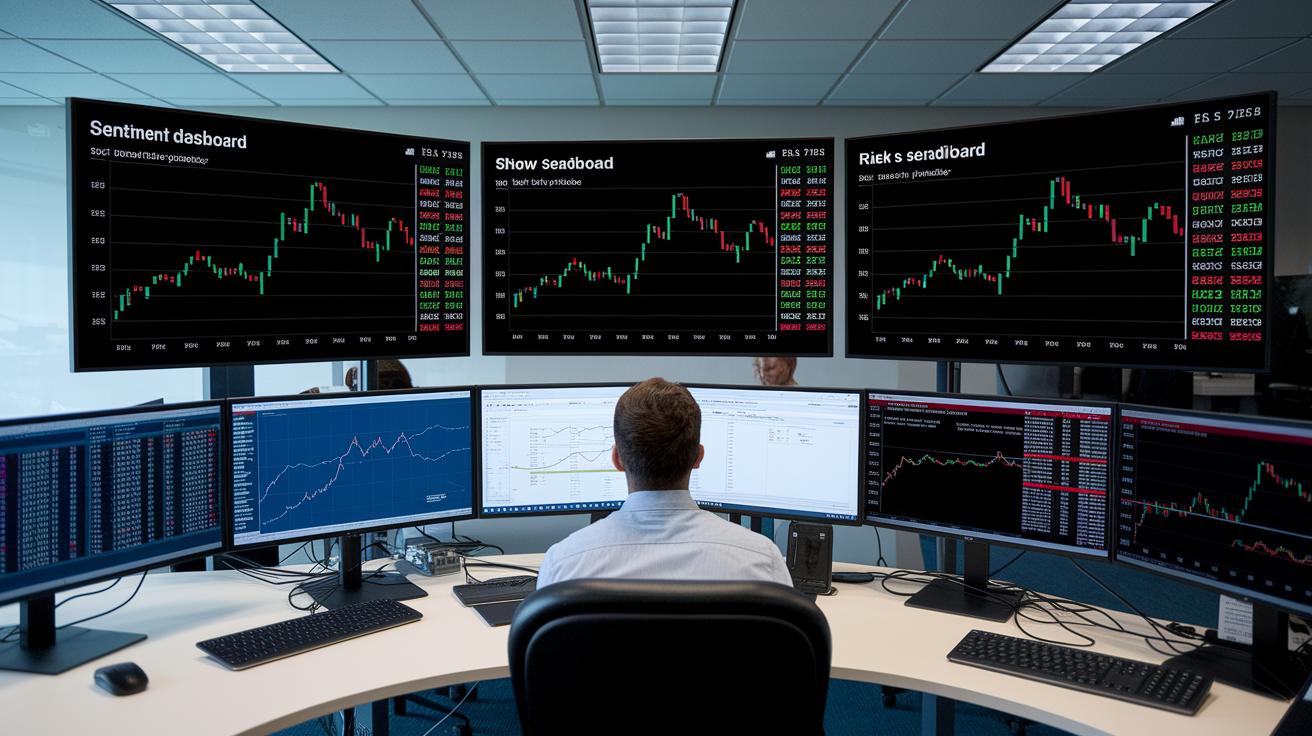
Market sentiment data is now a key part of how we manage risk. It takes bits of unstructured info from news headlines, earnings calls, and social media posts and turns them into simple, clear insights. In other words, sentiment analysis helps bring hidden risks into focus. Next, these insights mix with classic risk assessments to give a fuller picture of where the market might go. If you’re curious about the basics of risk management, check out the risk assessment definitions.
Asset managers and banks are now using these clear insights to adjust their portfolios as things happen. By combining sentiment data with old-school indicators, they can spot trends that might slip past traditional models. Originally, sentiment scoring was a tool for quantitative trading teams, but now it’s available to more professionals through custom platforms. This makes it a valuable tool when making investment decisions.
When you combine market sentiment with tried-and-true risk evaluation methods, you create a stronger safety net. This approach helps investors see both the technical factors and the emotional vibes behind market moves. In short, this allows for better adjustments in tough times and helps support long-term financial success.
Sentiment Indicators and Analysis Tools for Risk Management
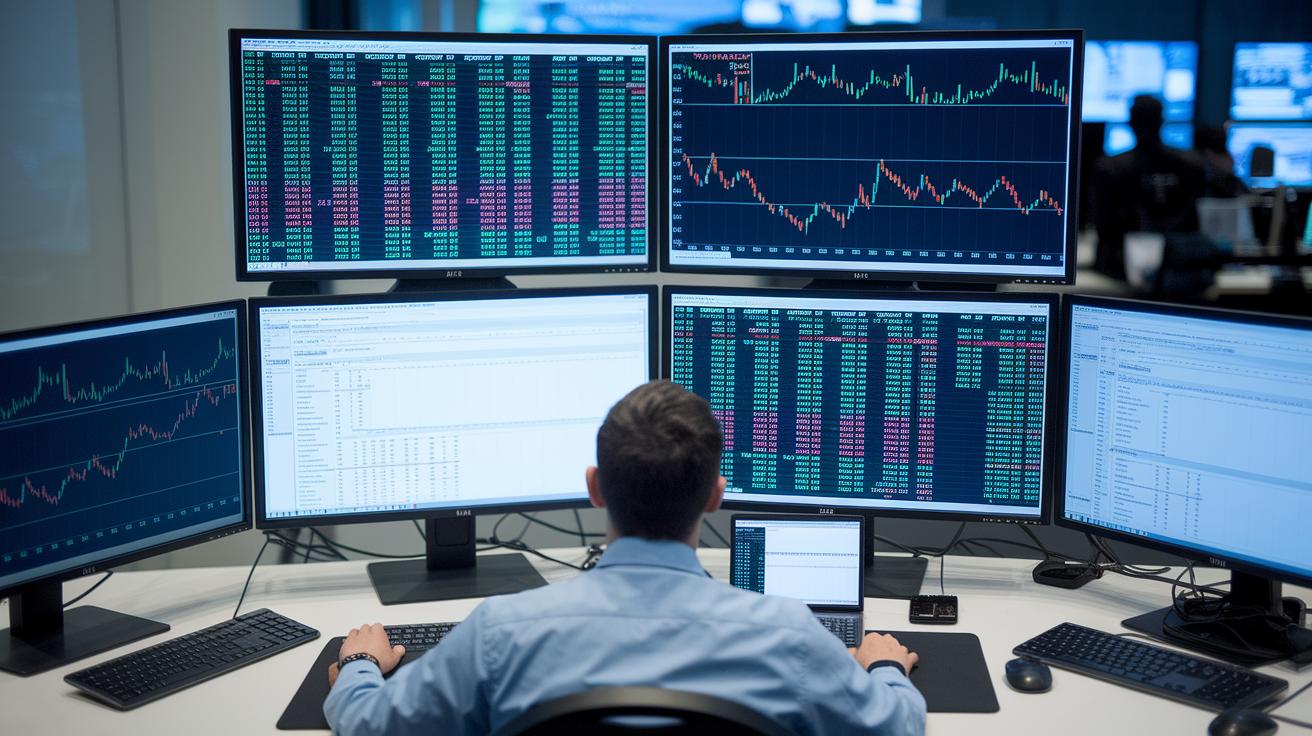
Right now, smart platforms turn rough market signals into clear, easy-to-understand data. They help traders adjust their risk on the fly by showing if investors are leaning toward safety or chasing bigger rewards. For example, shifts in the strength of safe currencies versus riskier ones can tell you whether people prefer security or are willing to take a chance. Tools like TradingView and MetaTrader 4 offer user-friendly charts that mix rising bond yields with surging stock rallies, capturing the steady pulse of market moves.
These sentiment analysis tools give traders a real edge through instant feedback. They track when the volatility index drops during risk-on times and alert you to sudden spikes in gold or government bond demand when caution kicks in. Modern features like spread and margin calculators paired with open-order alerts turn everyday market noise into solid, actionable numbers. For a closer look at core market signals, here are some key indicators:
- Shifts in safe-haven versus risk currency strengths (for example, comparing JPY and CHF with AUD and NZD)
- Moves from bonds to equities that drive rising yields and stock rallies
- Falling volatility index numbers during periods of growing risk appetite
- Demand surges for gold when market stress rises
- Spikes in government bond interest when uncertainty hits
- Real-time alerts from open-order systems on trading platforms
- Carefully tracked spreads and margin movements from smart charting tools
In short, these tools and signals help you turn market sentiment into real actions, letting you quickly adjust your strategy in tune with the market’s natural rhythm.
Developing a Market Sentiment-Driven Risk Management Model
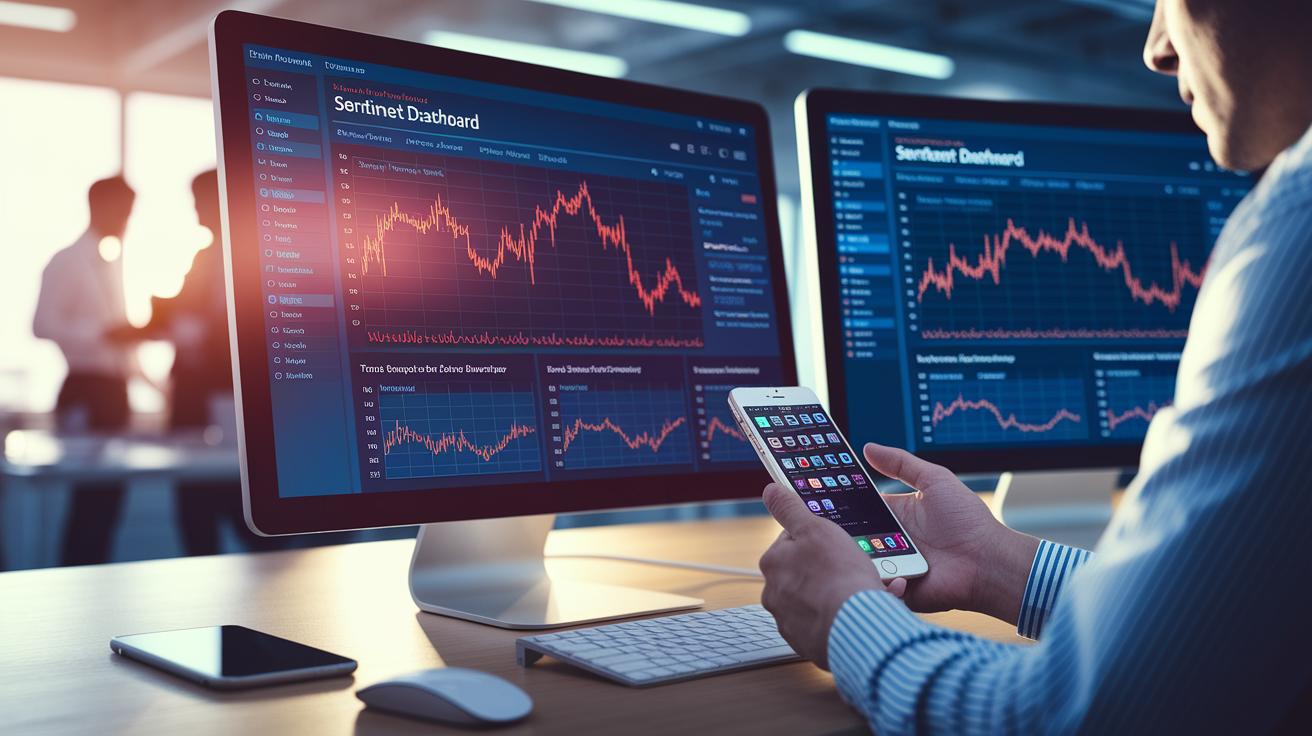
When you start building a risk model that uses market sentiment, the first thing to do is collect information from sources like news headlines, earnings calls, social media updates, and company records. This raw information is then turned into clear numbers that tell you the overall mood of the market. By turning complex, opinion-based data into easy-to-understand figures, you build a bridge between how people feel and classic indicators such as volatility indexes and credit spreads.
Next, you slot these sentiment scores into your risk management setup. In simple terms, you mix these scores with standard market signals to sharpen decisions about which investments to hold, how to test for tough market conditions, and where to allocate assets. When the sentiment numbers rise, you might notice a change in market behavior, and the model is designed to adjust risk levels in real time. Ever notice how a small shift in mood can change the whole landscape?
After setting up the framework, it’s time to validate the model by backtesting it with historical data. This step checks whether the mix of sentiment insights and classic metrics reliably signals how and when to change risk levels. Running these tests over different time periods helps confirm that the model stays in tune with real market movements, which boosts trust in its performance.
The final step is to incorporate the model into an automated dashboard that continuously streams the latest sentiment and market data. With real-time monitoring, the system can quickly adjust your exposure based on current conditions. This hands-off setup makes it possible to catch sudden shifts in investor mood and respond fast, helping to protect your portfolio with smart, agile risk management.
Case Studies: Market Sentiment in Risk Mitigation Strategies
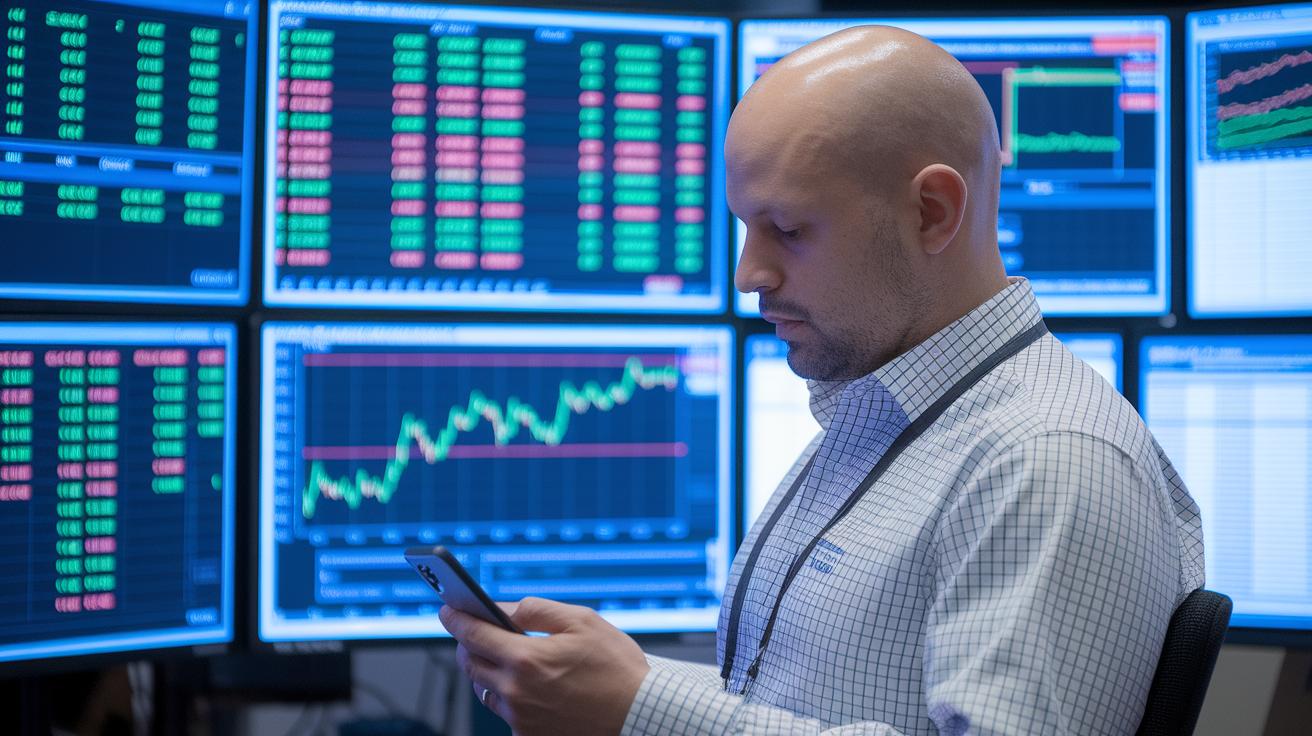
Market sentiment insights are really making a difference in finance. Companies say that by using clear sentiment scores from news articles, filings, and social media, they've been able to improve their risk-adjusted returns. They use these insights to adjust their portfolio exposure as market moods shift. Looking at market moves through a behavioral lens (which means considering how human feelings and psychology affect decisions) helps them decide when to act. These examples show that mixing technology with sentiment-based decisions can truly change risk management.
Hedge Fund Implementation
One major hedge fund now uses stock sentiment APIs as part of its risk controls. By keeping an eye on shifts in news sentiment, they can adjust their portfolio weightings on the fly to ward off downturns. The system turns regular news into simple risk signals, ensuring the portfolio stays in tune with current market moods. This approach not only makes decisions more straightforward but also provides extra defense when market conditions are uncertain.
Crypto Trading Application
Crypto trading teams have started tracking social media sentiment to fine-tune their risk management. They set flexible stop-loss points based on real-time chatter from different platforms. So when market buzz suggests a change, traders can quickly step in to reduce losses. The rapid feedback from sentiment data helps them adjust their positions right away, which is a big plus during volatile moments.
Real-Time Sentiment Dashboard
Building a live dashboard with tools like TradingView or Excel has proven incredibly useful. By feeding automated sentiment scores into risk alerts and position rules, traders receive a constant stream of updated data. This integration of market sentiment into automated risk controls gives a clear view of the prevailing mood, allowing traders to act swiftly when trades need recalibrating.
These examples clearly show how sentiment-based decision making can pay off. In short, using real-time market sentiment is a powerful way to manage risk effectively.
Real-Time Market Sentiment Monitoring Tools for Risk Management

Tools such as TradingView, MetaTrader 4, and newer web and mobile apps now let you see live charts. They also offer spread and margin calculators (which help you understand trading costs and buying power) along with signals for open orders. APIs, which allow different software to communicate, bring in live sentiment feeds, basically a quick look at how the market feels, paired with technical checks. This setup helps traders adjust their positions as market trends shift. One cool feature uses machine learning (smart software that learns from data) to spot sudden jumps in sentiment. It’s like checking your heart rate: if things go off the normal range, it might be time to reconsider your approach. For instance, a burst of tweets along with falling prices can signal that it’s time to tighten risk controls on the fly.
Modern risk management programs now work smoothly with market sentiment dashboards that pick up even the smallest changes. This extra layer uses real-time data to alert you when traditional methods might miss early warning signs. If a strange shift in market sentiment shows up before big price moves, risk managers can quickly adjust their positions without waiting for standard alerts. In short, this setup builds a nimble system that combines trusted trading tools with fresh tech insights, giving you a clear advantage over older monitoring methods.
Challenges and Trends in Market Sentiment Risk Control
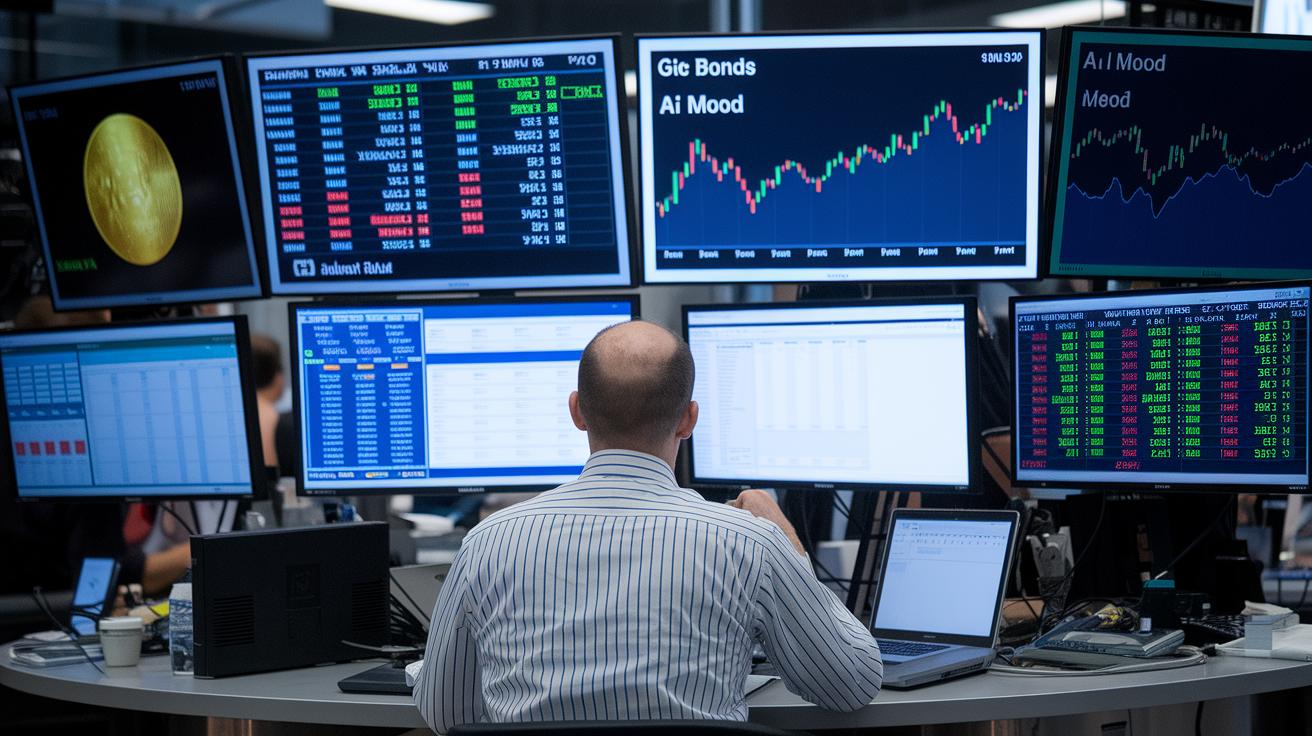
Many investors find it tricky to spot daily or weekly changes in market mood. It’s not always clear when people are leaning into risk or stepping back to play it safe. For instance, in rocky times, assets like gold and government bonds usually see a quick boost. And trying to get the real message from economic news can feel like cracking a tricky code.
New tech, such as machine learning (computers learning from data patterns) and AI (artificial intelligence simulating human thought), is starting to tip the scales. These tools dig through huge piles of market data to turn confusing signals into clear trends. Still, even the smartest systems sometimes miss the small shifts driven by larger economic changes.
Looking forward, innovation in risk models is promising. Future setups might mix detailed technical data with live market feedback to predict sentiment more precisely. This blend could lead to smarter crisis management in trading and smoother handling of market swings, paving the way for a quicker, more flexible approach to risk control in today’s fast-changing financial world.
Final Words
In the action, our article explored turning everyday news and social trends into actionable insights through risk management using market sentiment. We outlined tools that capture real-time signals and built frameworks that integrate sentiment data into portfolio strategies. Case studies demonstrated how real-time tracking spurs dynamic decision making across asset classes. This blend of clear analysis and practical application leaves a fresh perspective on adaptive and diversified investment strategies. Remember, every insight serves as a stepping stone towards a more secure digital asset portfolio.
FAQ
What does risk management using market sentiment pdf cover?
The risk management using market sentiment pdf outlines how to blend market mood from news and social media with traditional risk assessments. It provides real-world data examples to boost decision-making in finance.
What is a risk sentiment indicator and what does it mean?
A risk sentiment indicator quantifies investor mood by converting diverse data points like news and social media into measurable signals. It helps you understand prevailing market emotions and potential risk trends.
How do risk-on and risk-off indicators reflect market sentiment?
Risk-on and risk-off indicators reveal when investors move toward riskier assets or safe havens. They track factors like volatility and trade flows to mirror shifts in market confidence and overall sentiment.
What does risk-off sentiment mean in practice?
Risk-off sentiment means investors lean toward safe, steady assets when uncertainty rises. It reflects a cautious market mood where traders reduce exposure to higher risks during volatile periods.
What does the Fear and Greed Index show?
The Fear and Greed Index combines market data to display collective investor emotions. It offers a quick snapshot of whether fear or greed is driving market conditions and can help guide trading decisions.
How is Forex Factory useful for risk management?
Forex Factory provides a calendar of economic events, real-time news, and active trader discussions. It serves as a hub for gauging market reactions to key data which supports smarter risk-control choices.
How can you use market sentiment effectively?
You can use market sentiment by analyzing investor behavior, news, and price movements to pinpoint mood shifts in the market. This insight aids in enhancing your risk management and trading strategy.
What are the four types of market risk?
The four types of market risk include interest rate, equity, currency, and commodity risk. Each highlights a unique challenge from market fluctuations that can impact the value of investments.
What is the 1% rule in trading and why is it important?
The 1% rule in trading suggests risking no more than one percent of your portfolio on a single trade. It acts as a safeguard to prevent one bad trade from diminishing your overall capital.
