
Have you ever noticed how a small shift in interest rates can change your whole financial outlook? Lately, these rates have taken a turn for the better, almost like a cool breeze on a warm summer day. Homebuyers now see a drop in mortgage rates (the cost you pay to borrow money for a home), giving them a fresh start with their finances.
This change is more than just numbers, it’s a sign that the market might be heading toward better things. In short, lower rates are laying the groundwork for forecasts that could change the way you plan for your future.
Current Landscape of Interest Rate Trends

Mortgage rates have been on a two-week decline, hitting lows we haven't seen in 11 months. Right now, the average 30-year fixed rate stands at 6.50% as of September 4, and the 15-year fixed rate has dropped to 5.60% for the week ending September 5, 2025. Imagine checking your rate and finding it lower than you thought, like catching a lucky break during an ordinary day.
These lower rates are sparking a positive vibe in the mortgage world. With the 30-year rate steadily improving, homebuyers and people looking to refinance are in a better spot to lock in competitive deals. This trend hints at a broader market shift and leaves room for more drops in the coming weeks.
A recent jobs report, showing just 22,000 new jobs instead of the expected 75,000, played a big part in these changes. Following this softer Nonfarm Payroll print (which tracks job creation outside farms), the 30-year fixed rate fell from 6.45% to 6.29%. This move shows how quickly the market reacts to shifts in economic data, sort of like the steady pulse of digital transactions responding to everyday changes.
If you're in the market for a mortgage, it's smart to shop around. Comparing offers from different lenders can help you grab better terms and save money over time.
Historical Evolution of Interest Rate Trends

In 2022, sudden inflation sent shockwaves through the economy. Prices surged quickly, and the Federal Reserve reacted by raising interest rates several times to slow things down. It was much like watching a pot heat up until it started to boil. As the rates rose, many borrowers found their monthly payments climbing, setting the stage for a more cautious approach to taking on new loans.
In 2023, mortgage rates hit high levels that changed the housing market. Fixed-rate mortgages became common, making it tougher for many to afford a new home. People began to wait patiently for better conditions, similar to holding out for a great deal on a big purchase. The higher borrowing costs also led to lower home values, reminding us that the balance between interest rates and housing can really impact buyer confidence.
Looking at the yield curve trends over the years shows interesting shifts. These curves help us understand long-term borrowing costs and sometimes flip so that shorter-term rates surpass longer-term ones. Even though such an inversion might seem worrisome, it does not always signal an imminent economic downturn. Changes in the spread between 10-year and 30-year Treasury yields, along with local economic differences, show how each market tells its own story.
Monetary Policy Impacts on Interest Rate Trends

Some experts believe the Federal Reserve might lower its interest rates in September, November, and December 2024. A few even expect small cuts to carry over into 2025. They compare the Fed's approach to a chef who adds a pinch of seasoning now and then, rather than throwing it all in at once. In short, we shouldn't expect drastic changes but rather careful, measured adjustments.
A recent jobs report showed only 22,000 new positions instead of the 75,000 that many predicted. This softer result led to a drop in the prime 30-year fixed rate, which slipped from 6.45% to 6.29%. Think of it like a gentle push that encourages lenders to tweak their rates on the fly. Even small changes in job numbers can influence borrowing costs and the overall mood of the market.
Market watchers are also looking closely at Mortgage-Backed Securities and comparing them with 10-year Treasury yields to determine how rates are set. These tools act like a mirror, reflecting how government money moves shape lending prices. By keeping an eye on these signals, both investors and borrowers can better understand how shifts in monetary policy ripple through the economy, helping them make smarter decisions in changing times.
Variations in Lending Costs Across Interest Rate Trends

Mortgage options really show different costs that can matter a lot for your wallet. For the week ending September 5, 2025, the average rate for a 30-year fixed mortgage was 6.50%, while a 15-year fixed mortgage came in at 5.60%. In plain terms, this means one loan might save you money on interest over time, but push up your monthly payments. Knowing these differences can help homebuyers or anyone refinancing pick the best path for their financial plans.
30-Year Fixed Rate Mortgages
With a 30-year fixed rate at 6.50%, you get the benefit of spreading out your payments over many years. This usually means smaller, more manageable monthly bills, which is great if you’re watching your budget. Many people find these loans to be a good fit when they plan to live in their home for a long time and want steady, predictable payments. It’s like buying a reliable product at a fixed price, even if the total cost is spread over a long period.
15-Year and Adjustable-Rate Mortgages
On the other hand, a 15-year fixed mortgage – averaging 5.60% – lets you pay off your principal faster, saving you interest over time, though your monthly bill will be higher. And then there are adjustable-rate mortgages that can change as market trends shift. They might start with attractive rates, but as conditions change, so can your payments. Ever notice how market trends can feel like a roller coaster? It pays to know what you might be in for.
| Loan Type | Average Rate (Sept 2025) | Key Consideration |
|---|---|---|
| 30-Year Fixed | 6.50% | Longer term with lower monthly payments |
| 15-Year Fixed | 5.60% | Faster paydown and lower total interest |
| Adjustable Rate | Varies | Rates change with market trends, affecting future costs |
Forecasting Future Interest Rate Trends
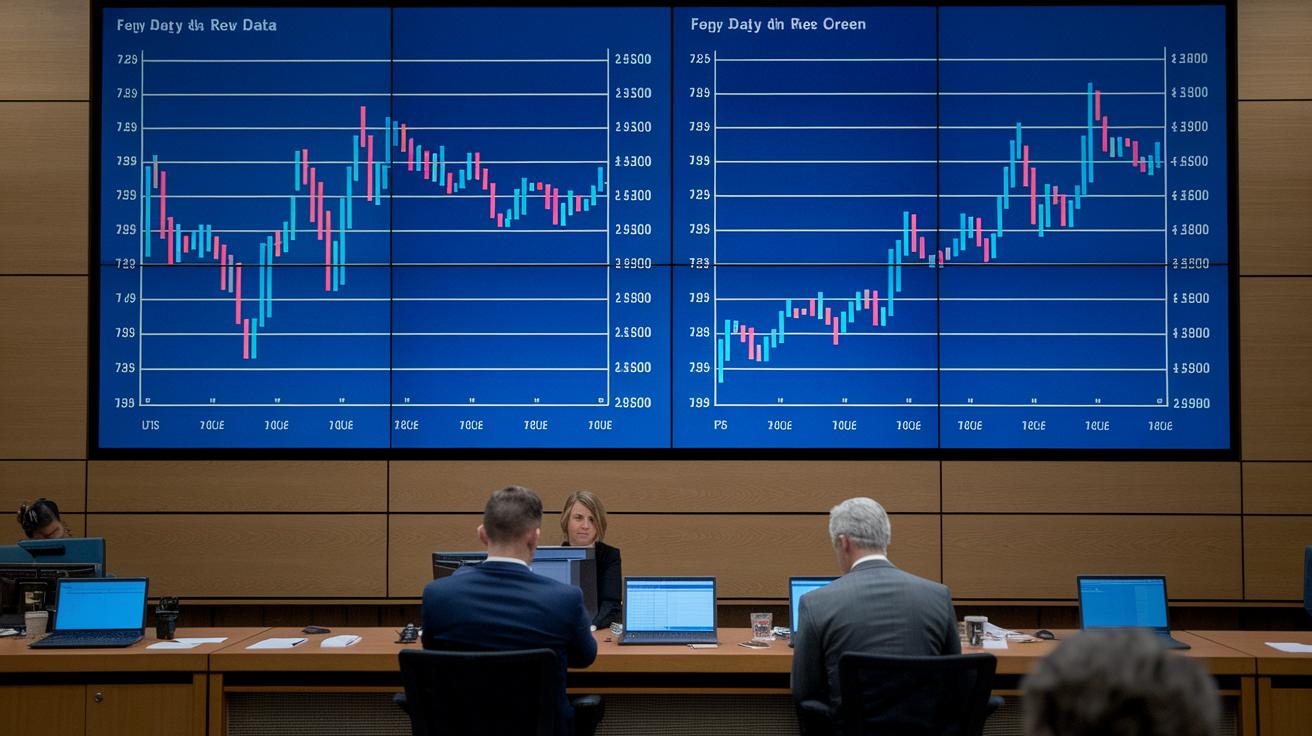
Most experts believe we'll see a few small rate cuts in September, November, and December 2024. The Fed is taking a careful approach, so we don't expect major drops. Think of it like a chef adding just the right pinch of salt, small tweaks that make a difference. The 30-year fixed rate is likely to hover around 6.50% through Q3 2025.
Data from the Fed dot-plot, along with key leading economic indicators (signals that hint at future economic changes), paint a clear picture of potential adjustments. These data points work like a reliable compass, keeping our forecasts on track with steady, trustworthy signals.
Local economic factors also add extra layers of insight. Different regions might move at their own pace, even if the broad trend stays steady. Each area brings its own details to the table, helping us form a well-rounded view of the road ahead.
Data Tools for Monitoring Interest Rate Trends

Every weekday at around 4 PM ET, you get new updates for both 30-year and 15-year fixed mortgage rates. It’s like getting a quick look at where the market stands, almost like watching a live scoreboard during a big game.
Online mortgage calculators are super handy. They let you play around with different loan options and show you right away how changing interest rates can affect your monthly payments. Live rate trackers and volatility charts work the same way, they give you a visual peek into market shifts as they happen.
Some platforms mix in live Mortgage-Backed Securities commentary with side-by-side comparisons to Treasury yields. With added insights from housing stats, job-market data, and even downloadable industry forms, you get a full picture of lending trends. It all comes together to help both first-time borrowers and experienced investors stay on top of today’s fast-changing market.
Final Words
In the action, this article broke down the current state of mortgage and loan costs, offered a look back at how past moves shaped rates, and shed light on central bank policies. It explained how different loan types are affected and gave a peek into upcoming forecasts.
The conversation also highlighted interactive data tools that bring clarity to real-time rate movements. Interest rate trends continue to shape our financial decisions, keeping us optimistic about future opportunities.
FAQ
What is a mortgage calculator?
A mortgage calculator simplifies figuring out your monthly payments by using inputs like loan amount, interest rate, and term. It helps you compare offers and see what fits your budget.
What do mortgage interest rate trends show?
Mortgage interest rate trends illustrate how average rates change over time based on economic events and lending policies. They help you gauge market shifts and decide when to lock in a rate.
How does an interest rates chart work?
An interest rates chart visually displays historical and current rate data. It lets you spot patterns in borrowing costs, making it easier to compare different loan types over time.
What insights does a housing interest rates chart offer?
A housing interest rates chart tracks current and past mortgage rates. It guides homebuyers in understanding market momentum, helping them decide the best time to commit to a loan.
How are Federal Reserve interest rate trends important?
Federal Reserve interest rate trends reflect how the central bank adjusts its policies to influence borrowing costs. These trends often guide overall mortgage rate movements and the economic landscape.
What do housing interest rates today reveal?
Housing interest rates today are reported via online tools and live feeds. They provide real-time data on average rates for various loans, assisting buyers in making timely financial decisions.
When might interest rates go down?
Interest rates may decline when economic indicators improve or if the Federal Reserve signals easing. Experts predict modest rate drops, although steep decreases are unlikely in the near term.
Are interest rates expected to go up or down?
Projections indicate interest rates might drop slightly or remain steady, as forecasts depend on economic data and central bank policy. Market behavior often leads to cautious adjustments over time.
Will mortgage rates ever hit 3% again?
Mortgage rates returning to 3% seem unlikely in the current market. Economic conditions and policy decisions keep rates higher, making a drop to that level a rare scenario.
Could interest rates drop further in 2025?
Analysts speculate that interest rates might experience small declines in 2025. While some easing could occur, major cuts are not widely forecast, given the overall cautious market stance.
What is the current rate for a 30-year fixed mortgage?
The current 30-year fixed mortgage rate averages around 6.50%. This rate reflects recent trends in lending and economic factors, serving as a helpful benchmark for potential buyers.
