
Have you ever wondered if a market move is real? Volume analysis (simply counting the trades) can give you the answer by showing every single trade.
If a price change comes with lots of trades, it usually means the market has strong support. But if there are only a few trades, the trend might be weak.
Many studies have found that using trade volumes as a guide can lead to steady gains over time. Right here, we'll show you how counting trades turns plain numbers into clear market insights.
So, are you ready to see if those market moves are solid or just short-lived signals?
How Volume Analysis Fuels Technical Analysis Decisions

Volume analysis counts the trades made over a set time and gives you a peek into the market's heartbeat. By simply tallying up each trade, you can tell if a price move is backed by solid market participation or if it’s just a weak, passing signal. For example, if you see a burst of trades during an uptrend, that's often a sign that strong buying is in play. But if the volume drops, it might just mean that the price change isn’t really supported.
Volume trends play a big role in confirming how a price is moving and in spotting potential false signals. When prices go up with a lot of trades behind them, it indicates that the trend has a good chance to keep going. On the flip side, if a price rally comes with low volume, then the enthusiasm might be fake, possibly leading to a false breakout. Just think about it, a trading strategy using volume analysis averaged around 17.53% annual returns over 24 years through bull, bear, and recession markets. This example shows how volume analysis can help you differentiate solid market moves from temporary or misleading price shifts.
Keep in mind, volume analysis is most powerful when combined with what you see on the price charts rather than standing alone. Pairing volume data with other signals like candlestick patterns or moving averages can really sharpen your market insight. In a live trading session, mixing these elements offers a well-rounded view of both price action and trade dynamics, ensuring that the signals you act on are backed by both volume and price behavior.
Essential Volume Indicators for Technical Analysis

Volume indicators take raw trading numbers and turn them into friendly signals you can act on. They’re like translators that change simple trade counts into clear insights about market mood, showing you if buyers or sellers are in control. This helps traders quickly tell if a price move is backed by strong market activity or if it’s just a quick blip.
- On-Balance Volume (OBV): Adds up trading volume on days when prices rise and subtracts it on days when they fall. This gives a running idea of whether buying or selling pressure is mounting.
- Volume RSI: Works much like the Relative Strength Index (a tool that measures how extreme price moves are) but uses volume numbers instead. It points out when trading activity might be too high or too low.
- Volume Price Trend Indicator: Blends the percentage change in price with volume data. This mix helps you see if a trend is really strong or just a brief stir.
- Money Flow Index (MFI): Combines price and volume to show how money is moving into or out of a security. (Money flowing in means more buying interest, while money flowing out suggests selling pressure.)
- Chaikin Money Flow: Weighs volume against closing prices to clarify whether more investors are pooling in or pulling out. It shows if stocks are being accumulated or distributed.
- Accumulation/Distribution: Keeps track of the balance between supply and demand over time. It gives clues about the true market sentiment hidden behind the numbers.
- Ease of Movement: Links volume levels with changes in price ranges to show how smoothly prices are shifting. It highlights whether price moves are gentle or forced.
- Negative Volume Index: Focuses on days when volume decreases to spotlight the impact of smart money moves. It helps reveal hidden shifts in market strength.
- Volume-Weighted Average Price (VWAP): Calculates an average price weighted by volume throughout the day, offering a solid benchmark for trading decisions.
Traders pick these tools based on their own strategies and current market conditions. By mixing indicators that catch quick swings with those that track longer trends, they build a well-rounded view of both price and trading activity.
Integrating Volume Analysis with Price Action

Traders often use simple volume checks on candlestick charts to see if trends hold water. When you spot high volume together with a clear bullish or bearish candlestick, it usually means the price shift is real. For example, a strong bullish bar with plenty of volume hints that buyers are stepping in. You can learn more by checking out technical analysis chart patterns, which give you a neat visual of market moves.
A jump in volume is especially important when a price breaks through a well-known support or resistance level. If you see such a breakout backed by higher-than-normal volume, it shows that the move has real strength. This approach helps you steer clear of weak signals and avoid acting on breakouts that are not really backed by the market.
Relative Volume, or RVOL, is a handy tool for finding the right moment to enter the market. RVOL simply compares the current trade volume to what’s usual over time. By using RVOL, you can spot early opportunities during busy sessions, making sure you jump in when the market has real momentum.
Volume Chart Signals Explained
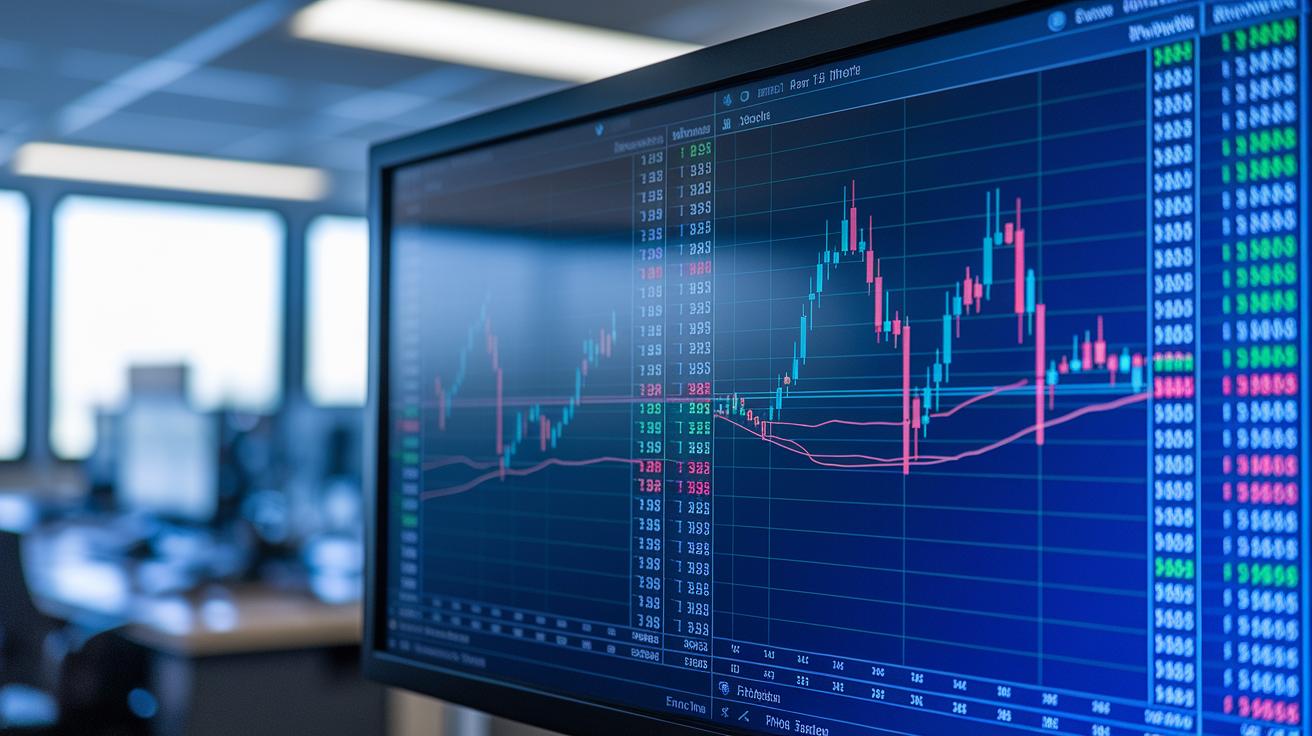
Volume-by-Price, or Volume Profile, is a simple method that shows trading activity at different price levels instead of just over a set time period. It adds up all the trades made at each price point to give you a clear picture of where most trading happened. For example, instead of a single bar representing a minute’s worth of trades, a volume profile highlights the price levels where many shares were exchanged. This helps traders see where prices might pause or change direction because of heavy trading interest.
When you notice groups of trades piling up at certain prices, it usually means that area has caught the attention of major players like big financial institutions. These clusters often point to areas where the market has seen a lot of buying or selling before, which can signal key support or resistance levels. In simple terms, these zones can act like floors or ceilings for price movements, hinting at spots that might trigger future shifts when the market revisits them.
Another helpful tool is the relative volume ratio. This is just a way of comparing the current trading volume to what is typical. If you see the volume shooting up well above average, it indicates that the market is unusually active. Such spikes might signal a new trend or a brief, intense period of trading. Recognizing these moments can be really useful for making quick, tactical decisions about your trades.
Implementing Volume Analysis Strategies

When you study volume signals, you see the real heartbeat of the market that price numbers alone can miss. By checking out where the volume spikes or dips, you can tell if a price move really has strong backing or if it's just a fluke. This way, you build strategies that can roll with the market's ups and downs, spotting when trends are likely to stick around or flip.
| Strategy Name | Volume Signal | Tactical Application |
|---|---|---|
| Trend Continuation Strategy | Volume goes up along with prices | Confirm long-term upward moves |
| Volume Breakout Strategy | A sudden spike in volume | Show extra strength when breaking key levels |
| Volume Divergence Strategy | Volume doesn’t match big price changes | Signal possible trend reversals |
| VWAP Boulevard Strategy | VWAP acting like a moving barrier for support or resistance | Help decide on trades during the day |
| Accumulation/Distribution Strategy | Total volume shifts over time | Measure changes in supply and demand |
| Relative Volume Entry Strategy | Volume well above average | Set off signals to enter trades |
Putting these tactics into practice means you have to tweak each one for different market moods and timeframes. For example, quick traders might hone in on the Relative Volume Entry to jump in and out fast, while buy-and-hold folks could lean on the Trend Continuation or Accumulation/Distribution ideas to ride out bigger shifts. In short, testing each volume metric in your own market conditions helps you pick the perfect times to buy or sell while keeping risk at bay.
Advanced Volume Analysis Techniques in Trading

When you look at volume profiles across different time frames, like intraday, daily, and weekly, you get a clear picture of where the big buying or selling happened. This method helps you spot key areas where prices have held strong, much like noticing the steady pulse in a lively marketplace. It shows you the support (where prices tend to stop falling) and resistance (where prices tend to stop rising) levels, making it easier to see where market interest is strongest.
Many traders now use computer-driven methods to go through heaps of past data and test volume signals. This strategy helps catch small, yet important, shifts in trading volume that might hint at new trends. Sometimes, these systems even track changes in tiny fractions of a second to grab rapid market movements. This high-speed review is especially useful when you’re looking to time quick trades, finding the perfect spot to get in or exit.
New analytical tools are also stepping up the game by merging volume views over different periods with smart, algorithmic insights. This mix gives a sneak peek at potential market moves before they fully unfold. Think of it as a friendly tip from a market-savvy buddy that builds confidence in your trading plan, just like the future trends discussed over at https://tradewiselly.com?p=2861.
Limitations and Best Practices of Volume Analysis

Volume shouldn't be the only signal you rely on when making trading choices. Think of it as the market's heartbeat, it confirms activity but needs to be paired with other signals. For example, if you see a big spike in volume without a matching move in price, it's more like a false alarm than a reliable sign.
Markets that are very volatile or have few trades can throw off volume readings. When there aren't many trades, sudden changes in volume might not really show what traders are feeling. In these cases, a sharp increase or drop could simply be a fluke, so it's wise to double-check with steadier price trends and additional tools.
Combining volume with other clear signals makes your analysis much stronger. Look for solid price patterns, support and resistance lines, and simple candlestick setups. Advanced traders often check if volume is rising as prices break through resistance to confirm real market strength. This mix helps avoid pitfalls and builds a more dependable picture of what's really happening.
Final Words
In the action, this post broke down how volume analysis fuels technical analysis decisions. It explained that tracking the number of shares traded helps signal true market moves and confirm trends by validating price action.
The article also showed that combining volume with other signals helps spot weak moves and avoid fakeouts. It highlighted solid numbers like a 17.53% annual return to back up these insights.
Using volume analysis in technical analysis can empower smarter moves in digital assets, giving you a clearer path ahead.
FAQ
Q: What does a Trading Volume Analysis PDF include?
A: A Trading Volume Analysis PDF includes detailed guides and charts on measuring trade counts, using volume to confirm trends, and integrating volume with price data to spot market activity.
Q: How is volume used in technical analysis with an example and what does it represent in the stock market?
A: Volume in technical analysis represents the number of shares traded over time. For example, rising volume with price gains confirms trend strength, while low volume may signal a weaker move.
Q: How is a trading volume chart used?
A: A trading volume chart visually displays the number of shares traded over a set period, helping traders assess spikes in activity, confirm trend moves, and identify potential entry or exit points.
Q: What insights come from the price-volume relationship?
A: The price-volume relationship shows how price moves match trade volume, offering clues about trend strength, potential reversals, and the reliability of price shifts based on overall trading activity.
Q: What features does a volume analysis platform offer?
A: A volume analysis platform typically offers real-time trade data, customizable charts, historical volume comparisons, and integration with other indicators to help traders interpret market activity precisely.
Q: How do you read a volume indicator?
A: Reading a volume indicator means checking the volume bars alongside price changes to spot surges or dips. This process reveals clear signals on buying or selling pressure when matched with candlestick patterns.
Q: What is considered good volume for stocks?
A: Good volume for stocks varies with historical averages and market context. High volume during an uptrend can confirm strength, while volume too high or too low might indicate unusual market interest or caution.
Q: What is the 80% rule in volume profile?
A: The 80% rule in volume profile refers to the price range that captures 80% of total trades, helping traders identify key support or resistance zones where a majority of trading activity clusters.
Q: What is the volume analysis method?
A: The volume analysis method combines trade counts with price data to validate trends, distinguish genuine moves from false signals, and guide decisions by confirming market interest in price changes.
Q: Is high volume always a bullish signal?
A: High volume is not always bullish. While it can reinforce an uptrend, it may also signal market volatility or an impending reversal, indicating that additional data should guide trading decisions.
