Have you ever wondered if investors' feelings could be your secret trading tool? Market sentiment (the general mood or vibe shared by buyers and sellers) helps you spot moments when prices might quickly jump or drop.
It’s a bit like reading a cheering crowd at a game. When you sense excitement or worry rising, you get a hint that it might be time to adjust your moves.
In this article, we’ll show you how to combine real-time signals with market mood to improve your trade timing. This approach can help you make smarter, more confident decisions.
Using market sentiment to optimize trade timing: Thrive
Market sentiment is basically the overall mood of investors, shaped by feelings like fear and greed. It can guide trading moves, affect asset prices, and even cause price swings that you might not expect from typical economic news. For a simpler explanation, check out what is market sentiment (https://nftcellar.net?p=1295).
Getting the timing right for your trades can really lift your returns and help keep losses low. When investors get overly excited or overly worried, these mood swings can give us handy clues about when to adjust our positions. Just like that surprising fact about Marie Curie, she once carried test tubes of radioactive material in her pockets before people knew the risks, it shows that unexpected signals can change the game quickly.
Today’s AI tools and data-based methods take much of the guesswork out of trading. They transform shifts in investor mood into clear, number-backed insights by matching technical signals like moving averages (which smooth out price data) or oscillators (tools that show trends) with real-time market feelings. This means you can time your trades more precisely.
Mixing market mood analysis with solid trade timing strategies helps you tune into the natural rhythm of investor behavior. In short, it sharpens your decision-making and helps you find the best moments to enter or exit a trade.
Essential market sentiment indicators for optimal trade timing
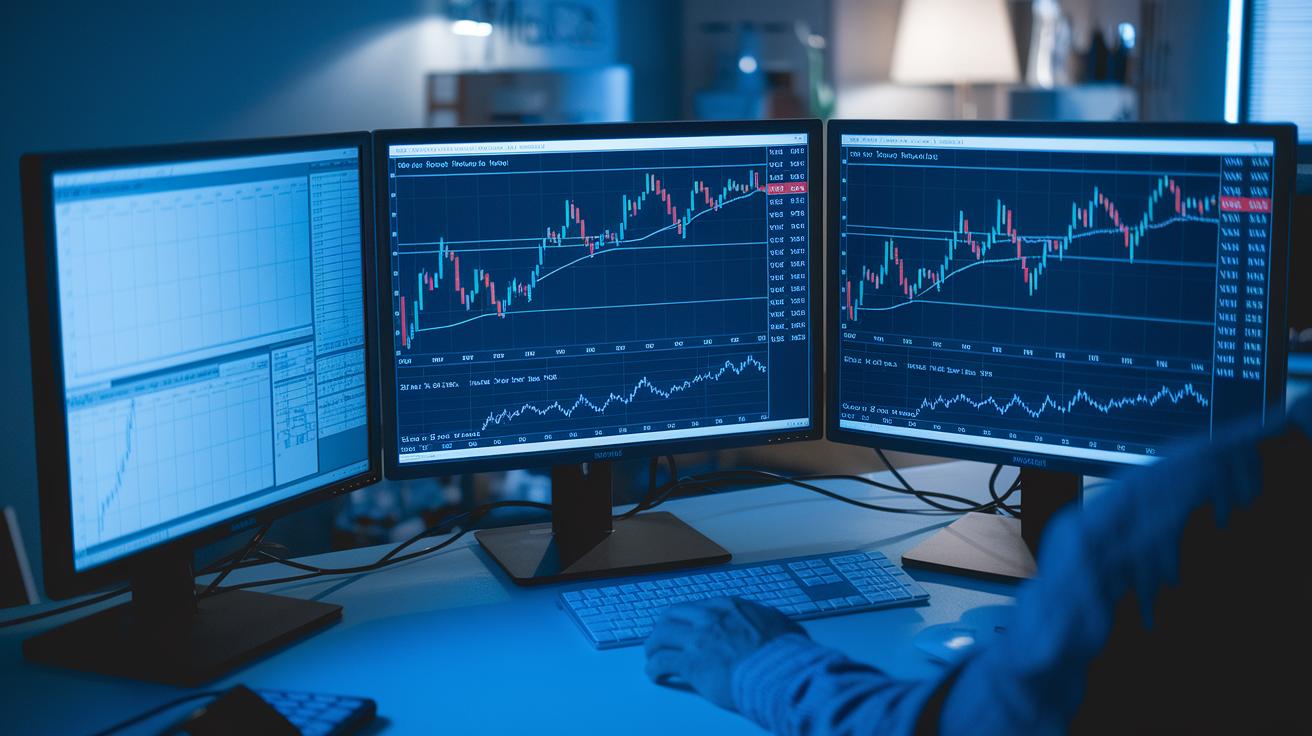
Traders use a mix of mood tools to turn the market's unsaid feelings into clear, simple signals. One favorite is the Fear & Greed Index. It gives a score from 0 to 100 that reflects investor emotions. When this score nears 80, it suggests that excitement is high, which might mean it’s time to double-check your position.
Technical indicators add another layer of insight. For example, the RSI (Relative Strength Index, a tool that checks if an asset might be too pricey or too cheap) and MACD (Moving Average Convergence Divergence, which compares trends over different times) help spot trends or warn of possible turns.
Social media also plays its part. Sites like Twitter, StockTwits, and Reddit provide live chatter that shows how investors really feel. It’s like listening to the subtle hum of market activity as it unfolds.
On top of that, many traders follow the AAII Sentiment Survey to see weekly trends in optimism versus caution. And when trading volume suddenly spikes, it can signal that investor feelings are changing fast.
| Indicator | What It Shows |
|---|---|
| Fear & Greed Index | The overall mood |
| RSI and MACD | Signs of overbought or oversold assets |
| Social Media Chatter | Real-time investor sentiment |
| AAII Sentiment Survey | Weekly bullish versus bearish trends |
| Volume Spikes | Sudden changes in investor mood |
These tools give you a full view of the market’s heartbeat, making it easier to decide when to step in or pull back on trades. It’s all about timing and keeping an ear to the ground.
Integrating market sentiment into entry and exit timing strategies
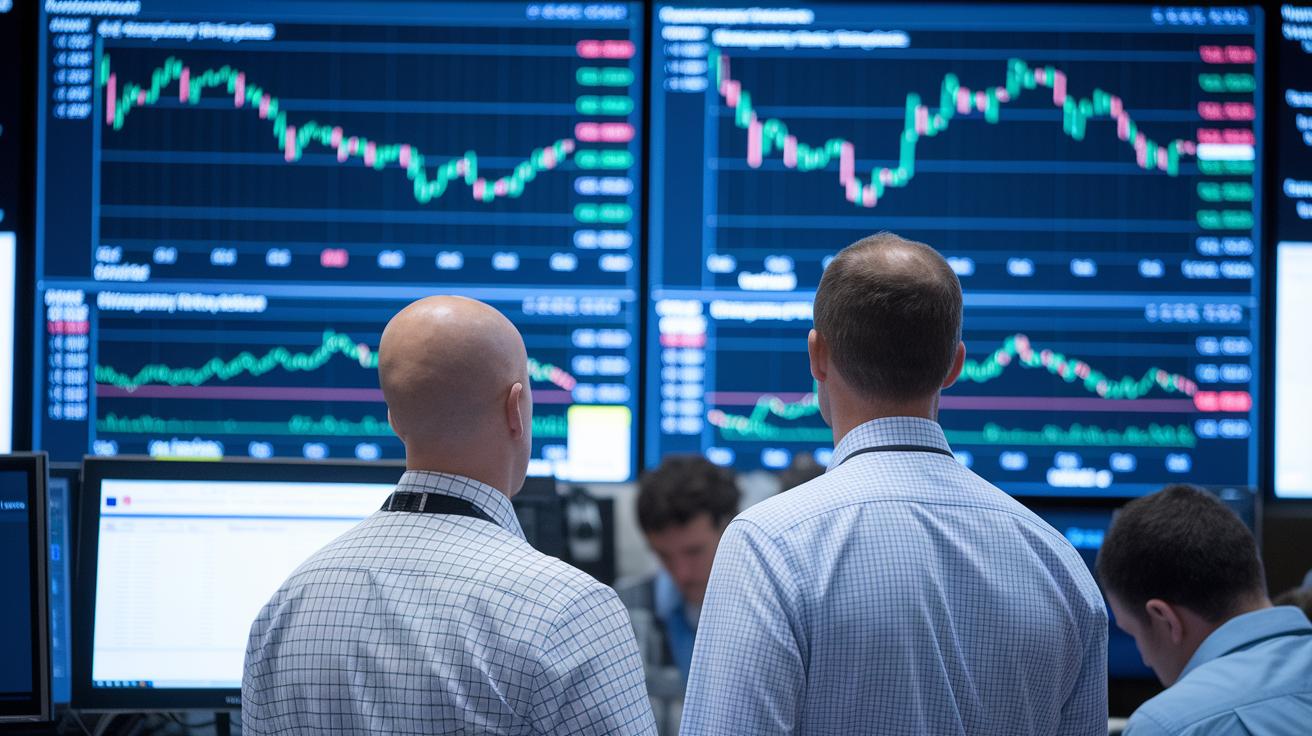
When you use market mood clues for your trading moves, it helps to mix two ideas: going against the crowd and riding the trend. Start by watching your chosen sentiment signals. For instance, if most people are super excited (bullish sentiment above 80%), think about selling or even shorting. On the flip side, if the mood is gloomy (bearish sentiment under 20%), you might spot a good chance to buy.
Now, for momentum trading, let the overall mood lead your way until other signals say it might be time for a change. These signals include simple tools like moving averages (which smooth out price trends), the stochastic oscillator (a tool to check if momentum is slowing), and RSI (a way to see if a stock might be overbought or oversold). Watching these, along with clear chart patterns, can help you decide when to jump in or pull out.
| Signal | Action |
|---|---|
| Bullish sentiment above 80% | Consider selling or shorting |
| Bearish sentiment below 20% | Look into buying |
| Moving averages, Stochastic Oscillator, RSI | Watch for extra hints on market shifts |
| Chart patterns | Double-check if it’s a good time to act |
By following these steps, you set up a strategy that listens to both solid data and the market’s steady pulse. It’s all about matching your moves with the market’s rhythm, making your entry and exit choices as clear and timely as a friendly chat over coffee.
Managing risk with market sentiment-driven trade timing

When the mood in the market shifts in a flash, having the right risk controls can make a big difference. These safeguards help keep your losses low and your gains safe. Imagine if your portfolio's allocation drifts more than 5% from your target, it might be a good idea to rebalance your investments. For example, if a digital asset becomes unexpectedly popular and its weight in your portfolio jumps, a quick rebalance can help you stick to your strategy.
Hedging is another smart tool in your risk management kit. Think of put options (contracts that let you sell an asset at a set price to limit potential losses) as a kind of insurance against sudden downturns. And covered calls (where you sell option contracts on assets you already own to earn extra income) can help generate cash during calm periods. It’s a bit like tweaking your thermostat when the weather suddenly changes.
You can also rely on dynamic orders to protect your investments. Stop-loss orders (which automatically sell your asset if it falls too much) and take-profit orders (that secure your gains when prices rise) adjust on their own as market conditions change. This way, as the market’s mood swings, your risk management strategies swing along with it.
| Risk Management Strategy | Description |
|---|---|
| Portfolio Rebalancing | Adjust positions whenever allocations drift by more than 5% to maintain your strategy. |
| Hedging | Use put options and covered calls to limit losses and generate income during quieter market spells. |
| Dynamic Orders | Set up stop-loss and take-profit orders that automatically adjust with market volatility. |
Leveraging AI for market sentiment-based timing precision

AI tools are changing how traders pinpoint the right moment to act, using clear, data-driven insights instead of guesswork. Platforms like Mezzi gather info from all your accounts, whether it’s a 401(k), a taxable brokerage, or an IRA, to give you a complete picture of your investments. It’s like having all your financial pieces in one spot, making it easier to catch tax-loss opportunities or steer clear of wash sale issues before they arise.
Algorithms check hundreds of signals to guide your decisions. For example, they compare a 50-day moving average with a 200-day moving average to spot trends (think of this as a golden cross pattern that shows when the market might be picking up). In simple terms, they help decide if an asset is on the rise or if it’s reached an extreme high or low. Tools like stochastic oscillators teamed with RSI also add a layer of confirmation, turning raw numbers into clear trade signals that tell you when to jump in or step back.
These systems let you test past market conditions to see how these signals would have played out over time. The X-Ray portfolio analysis can even find hidden risks that might otherwise go unnoticed. Features like dynamic stop orders and tax-smart timing alerts adjust on their own when market conditions shift, keeping you prepared during those times of volatility. It really is like talking to a trusted friend who offers clear, timely advice when the market’s heartbeat changes.
Final Words
In the action, we saw how using market sentiment and mood indicators helps pinpoint entry and exit moments. Each section shared clear steps, from reading investor emotions, spotting data signals, to using AI for precision, so you can feel confident in managing risk and refining trade timing strategies.
These insights work together to guide smarter, measured moves. Leveraging market sentiment to optimize trade timing sets you on a promising path toward a robust, diversified digital asset portfolio.
FAQ
What does market sentiment mean?
The market sentiment means the overall mood among investors. It shows how fear and greed can drive pricing and trading activities, giving you insights into potential market moves.
How can market sentiment optimize trade timing?
Market sentiment optimizes trade timing by helping you spot entry and exit points. By reading the collective mood—from technical indicators to social chatter—you remove gut feelings and base decisions on data-driven signals.
What are some key market sentiment indicators?
Key market sentiment indicators include the Fear & Greed Index, RSI, MACD, and social media signals from places like Reddit or Twitter. They provide clues about whether the market is too optimistic or too cautious.
What is the 3-5-7 rule in the stock market?
The 3-5-7 rule is a guideline that some traders use to gauge sentiment shifts over different periods. It helps identify when the market might reverse, though it’s less common than other technical strategies.
How reliable is market sentiment?
Market sentiment is reliable when used with other technical tools. It offers a useful snapshot of investor emotions, but combining it with additional analysis helps to avoid bias and improve decision-making.
Why is market sentiment important?
Market sentiment is important because it reflects the overall investor mood. This insight can improve trade timing by alerting you to shifts in the market, potentially reducing losses and increasing returns.
