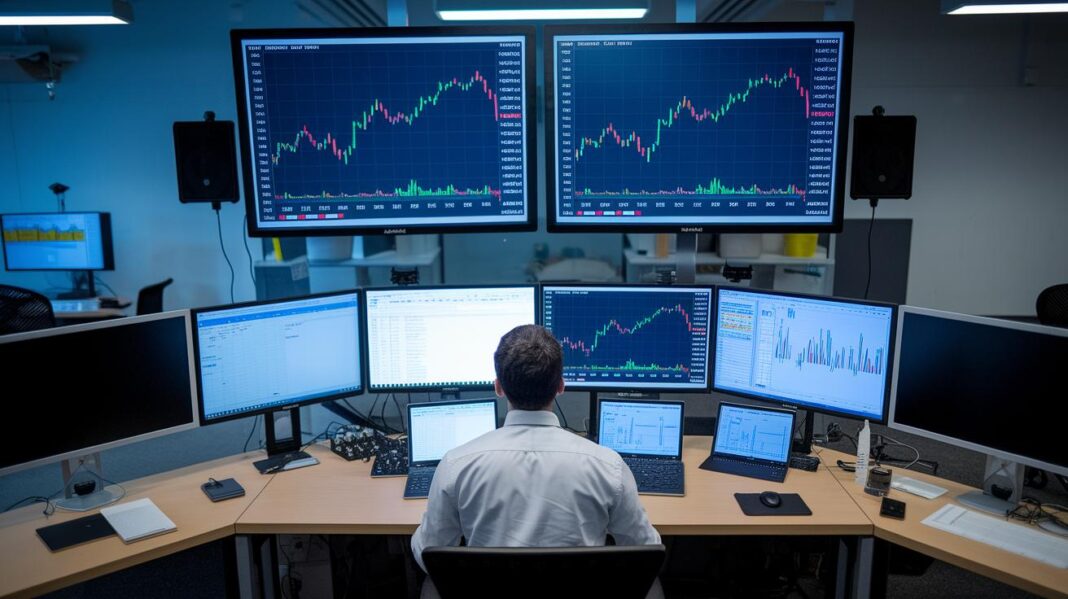
Have you ever thought that one chart might not show the full story? When you look at trends using different timeframes, meaning you check both the quick, small details and the big picture, you get a clearer view of the market.
Shorter timeframes catch fast changes, almost like a quick snapshot of a bustling scene. Meanwhile, longer timeframes help you see the overall trend, much like standing on a gentle hill and taking in the view.
This smart approach makes it easier to sort through messy data and find the best moments to enter or exit a trade. In other words, using these different angles can lead to more successful trades.
Achieving Trading Clarity with Technical Analysis Using Multiple Timeframes

When you work with several timeframes, you get a fresh look at the market from different perspectives. Lower timeframes capture the quick, subtle shifts that can help you decide when to jump in or get out of a trade, like reading every page of your favorite book, while higher timeframes let you see the whole picture, almost as if you're admiring a cityscape from a hill.
This approach gives traders clear levels of insight. It helps you mark out support and resistance zones and double-check which way the market is moving. Instead of drowning in too much data, using two timeframes cuts through the noise. One smart trader once discovered that he started off with just one chart, but when he compared two different views, his profits ran up noticeably.
Here are some top reasons to include multiple timeframes in your technical analysis:
| Benefit | Description |
|---|---|
| Trend Alignment | Connects small movements with larger trends so you can see the overall path. |
| Refined Entries | Helps pinpoint the best moments to get into or exit a trade. |
| Risk Management | Mixes different levels of price swings to balance how much you risk. |
| Signal Confirmation | Checks multiple signals to make sure your setup is solid. |
| Broader Market Context | Gives you a full view of how the market feels and moves. |
Sticking with just two timeframes early on is key. This simple method stops you from getting conflicting signals and builds a study routine that gradually boosts your skills. Step by step, your strategy improves, and you get a smoother transition between different styles of trading. No matter how the market shifts, this way of analyzing your charts helps keep your decisions clear and on track.
technical analysis using multiple timeframes wins trades
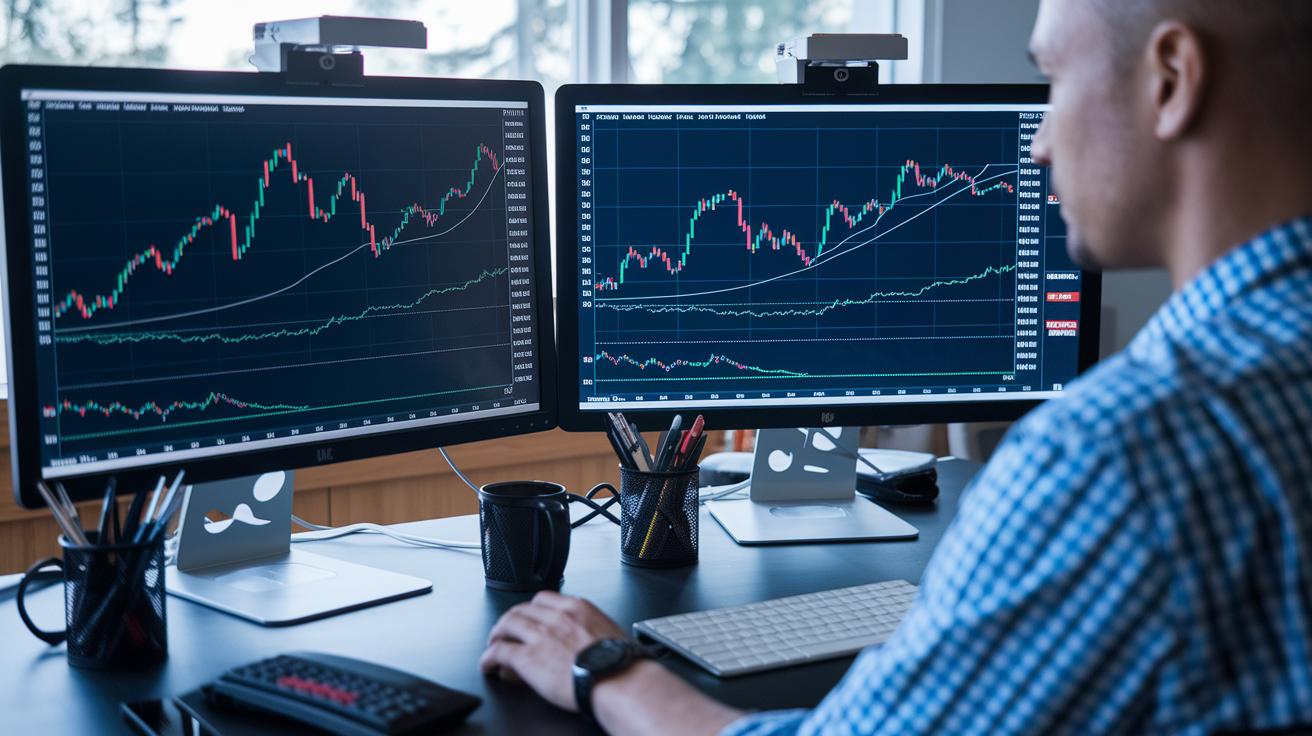
When you're building a trading plan that spans different periods, it’s best to start simple, using just two timeframes. First, choose the main timeframe that fits your overall trading style. For example, if you’re planning on riding longer trends, a daily chart works well; if you prefer quick moves, you might opt for a 15-minute chart. Then, pick a second timeframe that gives you extra details for timing exactly when to enter or exit a trade.
Here’s a straightforward process:
- Choose your main timeframe based on how long you expect to hold a trade.
- Select a supporting timeframe to help pinpoint your entry and exit moments.
- Arrange your charts so both timeframes are easily visible.
- Set clear rules so that the signals from both timeframes line up.
By keeping an eye on both views at the same time, you can better see when trends are matching up or turning around. This way, you reduce mixed signals and make more confident decisions. Plus, jotting down each setup and outcome in a trading journal, along with what the market was doing at the time, is a great habit. It not only helps you stay organized but also makes it easier to review and improve your approach as you grow your trading skills.
Comparing Top-Down vs Bottom-Up Cross-Duration Market Evaluation

When you use a top-down approach, you start big. Think daily or weekly charts as your map to see the bigger market picture before zooming in on finer details. In contrast, the bottom-up method digs into the small stuff right away, like using an intraday chart to time your moves. It’s a bit like focusing on one brushstroke without stepping back to see the whole painting.
With the top-down method, you first spot key support and resistance levels along with the general trend. This way, the “noise” disappears and you can easily see if the little details on those smaller charts line up with the overall market rhythm. It’s just like checking a map before taking local streets; you know the small moves are part of a bigger, steady trend. On the flip side, if you only look at the minute details, you might end up chasing random price moves that don’t really match what’s happening in the larger market. That can lead to trades that seem right up close but turn out off when you step back and see the full picture.
H3 – Best Practices for Top-Down Analysis
Begin by checking a higher timeframe to capture the main trend and spot major levels. Then, use the smaller timeframes to fine-tune your entry and exit points. This way, you stay in sync with the market’s overall movement and make smoother decisions.
H3 – Pitfalls of Bottom-Up-Only Analysis
Relying only on lower timeframes can get you stuck in short-term noise. When you focus on every little price swing, random fluctuations might trick you into thinking there’s a trend. This might lead you to make trades that fight against the broader market flow.
Charting Techniques: Composite Time Segmentation and Layered Temporal Signal Methods

Technology is a great starting point. Many trading platforms let you link different charts so you can watch multiple timeframes side by side. They offer tools like synchronized crosshair cursors (little markers that show matching points on each chart) and aligned price axes (ensuring prices line up), so you don’t have to adjust each one by hand.
Try linking your charts to work smarter. Set one chart to show a broad view and another to zoom in on the finer details. You can add key indicators like moving average crossovers (when a short-term average meets a long-term average to signal a change) to see when a signal on one chart matches a signal on the other. Adjust the chart scales so prices line up well, letting you catch both the big picture and the small details easily.
Next, consider using period-based indicators that spotlight different parts of your trading session. For example, you might place a volume-weighted average price (AVWAP, which averages prices using trading volume) on one chart while checking a relative strength index (RSI, a tool that compares recent gains to losses) on another. Adjust the scales so these tools are clear side by side. This simple side-by-side view makes spotting trends, reversals, or entry points a faster and clearer process.
Integrating AVWAP and Multi-Period Indicators
Start by adding AVWAP to your charts. Layer it to include volume data from different time periods. You might set a primary AVWAP on your broader chart to show the overall trend while using a faster-moving AVWAP on the detailed chart to capture shorter swings. Pair these with signals like moving average crossovers or oscillator levels (indicators that help confirm buy or sell points) to decide on entries or exits. This kind of layered setup connects the dots between different timeframes, giving you a sharper, more precise tool for your trading decisions.

Duration-Specific Risk Management and Stop-Loss Techniques

Stop-loss strategies change depending on your trading timeframe. When you look at longer-term charts, you’ll notice bigger price swings. This means you might want a bit more room for your stop-loss so that normal market wiggles don’t knock you out of a trade. A handy tool here is the ATR (that's Average True Range, which shows you how much an asset typically moves) to gauge a safe distance. On short-term charts, prices move quickly in tighter ranges, so placing stops closer can help reduce risk.
Keeping a steady risk-reward balance is really important across different timeframes. A consistent approach helps avoid overexposure, even when the market plays out differently in the short term versus the long term. Adjusting your stop distances using the ATR means each trade fits a clear plan. This way, you manage risk no matter which timeframe you’re using.
Tracking your trades in a detailed trading journal is like having a friendly guide along the way. Write down the ATR values, your stop distances, and even the market mood for each timeframe. Over time, reviewing your notes can help you fine-tune your strategy with small tweaks that boost your decision-making and reduce surprises. In short, by documenting and adjusting your approach, you build a personalized strategy that grows with the market while keeping your risk in check.
Final Words
In the action, the post showed how combining different timeframes highlights trends, supports key levels, and pinpoints the best moments to act. It outlined clear steps to set up chart layouts, compare market views, and adjust risk by tailoring stop-losses.
Using technical analysis using multiple timeframes helps bring clarity and consistency to your trade setup. With practical strategies and actionable insights, every step moves you closer to building a diversified, confident digital asset portfolio. Keep refining and trust your process!
FAQ
Q: What is technical analysis using multiple timeframes?
A: Technical analysis using multiple timeframes examines charts from different periods to help spot trends, set support/resistance, and fine-tune entry and exit decisions.
Q: How does using multiple timeframes benefit traders?
A: Using multiple timeframes gives a broader market perspective while refining trade timing, which leads to smarter risk management and clearer decision-making.
Q: What are some recommended technical analysis books?
A: Recommended books like Technical Analysis Explained and Japanese Candlestick Charting Techniques guide traders through chart reading, trend spotting, and understanding market signals in an accessible way.
Q: How do reviews of technical analysis help traders?
A: Reviews of technical analysis provide practical insights and real-life examples—from techniques like composite time segmentation to anchored VWAP—to improve how traders interpret market data.
Q: What is anchored VWAP and why is it useful?
A: Anchored VWAP calculates a volume-weighted average price from a specific time point, blending price, time, and volume data to improve the precision of entries and exits.
Q: What timeframe combination do experts like Brian Shannon recommend?
A: Experts and Brian Shannon often recommend starting with two timeframes—one for overall market trends and another for detailed trade entries—to keep analysis straightforward and effective.
Q: Which fundamental analysis books can complement technical studies?
A: Fundamental analysis books explain a company’s value and economic factors, offering a well-rounded view when paired with technical analysis for a complete market understanding.
Q: Where can I find technical market analysis reviews near me?
A: Local reviews and workshops on technical market analysis can be found through community events or online platforms, offering hands-on insights and training from experienced traders.
