
Ever think that tuning into market feelings might help you steer clear of risky moves? Market sentiment turns everyday talk into clear numbers that show what investors are really feeling. With these easy scores, traders spot mood shifts almost right away and adjust their positions to cut down on risk. It’s like keeping a close ear to the soft pulse of market activity, helping you avoid those sudden drops. Relying on fresh, data-based signals can lead to smarter decisions and more winning trades in today’s quick-paced financial world.
How market sentiment enhances risk management strategies
Risk management using market sentiment is about turning everyday market chatter into real, clear actions to handle financial risks. It all starts with sentiment analysis, a method that takes random data like news headlines, earnings calls, or bursts of social media opinions and converts them into simple scores. These scores help traders see the market’s mood almost instantly and adjust their risk positions quickly. Imagine a trader spotting a wave of negative headlines and deciding it’s time to pull back before the market dips.
Next, you blend these data-driven insights with traditional risk tools, turning raw information into ready-to-use metrics. By keeping an eye on daily or weekly shifts, this approach measures the overall mood of investors. These scores then feed into tools for portfolio optimization, stress testing, and asset allocation (which means spreading your investments to minimize risk). One trader once mentioned, "Seeing more negative signals from social channels helped me change my positions just in time," proving that clear indicators can really guide smart decisions.
Using insights from behavioral finance, a way to understand how people really behave in the market, adds a big competitive edge. Those who started using sentiment signals early on saw better control over market swings and improved their trade timing. Today, custom solutions have made these tools available to a broader range of traders. In short, tuning into market sentiment lets both new and seasoned traders shape their strategies with the market’s vibe, leading to smarter, winning trades.
Essential market sentiment indicators for investment risk management

When we talk about market flows, we're simply describing how money moves from one type of asset to another. When investors feel confident, funds head into stocks and boost equity indices, but when caution sets in, that money shifts toward safe spots like gold and government bonds. Daily and weekly checks can reveal unusual jumps in trading volume that may signal big changes. For example, if you notice a sudden rush of money into stocks, it might be like feeling a strong current while paddling upstream. Tools that let you analyze market trends make it easier to catch these clear flow signals.
Risk management gets even better with simple numbers that tell the whole story. Basic measures like sudden volume spikes, comparing risk-on and risk-off moves, and watching clear signals such as a jump in market fear (the VIX is a way to measure how stressed investors are) all give practical ideas on what might happen next. For instance, a surprising rise in trading volume can be a hint that market dynamics are shifting, which might affect how your investments perform.
- Unusual volume jumps during busy times
- Quick rises in the VIX that point to investor nervousness
- Noticeable changes in how money moves into stocks versus safe assets
- Different behaviors in various asset classes that show shifts in market risk
Risk management using market sentiment drives winning trades
Quantitative methods that measure market sentiment help risk managers turn digital chatter into clear, useful numbers. They use tools like Crypto Sentiment Analysis and Stock Sentiment APIs to gather data from social media, news sources, and on-chain information. Then, using NLP techniques (methods that help computers understand human language), they convert messy text into neat, structured scores. This data becomes the backbone of risk analysis, letting teams refresh their strategies with up-to-date market insights.
APIs play a key role by offering live feeds that merge different sentiment signals. For example, the Crypto Sentiment API collects inputs from social media, headlines, and blockchain activity, giving traders an instant, machine-readable view. Meanwhile, Hedge Fund Sentiment Analysis tools track subtle shifts in institutional mood by scanning lots of market commentary. This steady flow of data keeps sentiment scores current, providing risk managers with a lively snapshot of the market's mood.
In the end, these models produce clear sentiment metrics that easily fit into a broader risk analysis. By combining algorithmic data capture with smart modeling, the insights help fine-tune portfolio stress tests and asset allocation methods. This hands-on approach gives traders an edge, letting them anticipate market moves and adjust their positions with real confidence.
Incorporating sentiment data into quantitative risk models

It all starts with gathering data. News headlines, social chatter, and other bits of unstructured information get shifted into easy-to-read sentiment scores. Think of it like following a recipe, you need the right amount of each ingredient to get the flavor just right. This raw data then flows straight into risk monitoring dashboards to keep everything in check.
Next, the data joins forces with our risk models. Traditional risk numbers mix with these sentiment scores to power tools like portfolio volatility reviews and stress tests. For instance, when sentiment shifts signal a change in market mood, portfolio optimization tools get a heads-up to adjust accordingly. Studies show that mixing sentiment with standard measures such as VaR (Value at Risk, a method to estimate potential losses) and CVaR (Conditional VaR, which looks deeper into extreme loss probabilities) helps traders stay nimble in changing markets.
Finally, we step back and check the results. Risk dashboards and regular portfolio reviews let us see how the models’ forecasts stack up against what really happens in the market. By monitoring performance and watching for drawdowns, traders can clearly see the advantage of blending classic risk signals with live sentiment data. This method not only sharpens scenario analysis but also builds trust in rebalancing strategies when the market’s mood shifts quickly.
Market sentiment-driven risk-on and risk-off execution strategies

When the market is humming with good vibes, stock indexes climb quickly as investors seek bigger returns. But when things start feeling off, money tends to move into safer areas like gold or government bonds. This constant shift in mood is a clear signal for traders to adjust their portfolios, switching between bolder bets and more cautious plays.
For example, you can:
- Change your portfolio mix by shifting from risk-on stocks to safer assets when everyday chatter turns negative.
- Use smart hedging methods, like options overlays (a way to protect your gains during choppy times), once the mood begins to change.
- Set stop-loss orders that automatically sell your positions when market sentiment ticks down, helping to limit potential losses.
Aligning your rebalancing and hedging strategies with these steady mood checks helps in managing risk more effectively. It lets you stay nimble, capitalizing on positive trends while protecting your investments when the market feels uneasy.
Technology platforms for real-time market sentiment risk monitoring

Modern platforms mix smart data tools with live market feelings so traders can easily understand what’s happening. Platforms like TradingView and MetaTrader 4 give you interactive charts overlaid with sentiment data and send alerts that keep an eye on social media buzz and news updates. Some award-winning web and mobile apps even offer expert advice and risk monitoring dashboards that help you stay ahead. For example, portfolio charts (https://tradewiselly.com?p=2630) show how technical analysis layers and spread calculators can be adjusted to highlight key sentiment signals that guide fast decision-making.
These tools gather information from many sources and display it in clear, interactive dashboards. They combine visual sentiment data with risk measures, making it simple to see changes in market trends. Dashboards show critical details like technical indicators, social media updates, and expert insights all in one place. This setup helps both experienced analysts and new traders adjust their strategies easily. In short, blending crisp visualizations with automated sentiment reviews turns raw data into practical insights that shape risk management.
| Platform | Key Sentiment Feature | Asset Coverage |
|---|---|---|
| TradingView | Sentiment overlays and technical indicators | Global markets |
| MetaTrader 4 | Real-time alerts with algorithmic controls | Forex and equities |
| Award-winning Web/Mobile App | Interactive dashboards with sentiment mix | Multi-asset support |
Overcoming challenges in sentiment-based risk management
Market sentiment analysis can be a bit tricky. It does a fine job showing the market's mood, but often there’s extra noise that distorts the true picture. We have to work hard to filter out false signals, adjust for regular seasonal swings and built-in biases, and mix these insights with tried-and-true market data. Without careful checks, errors in detecting investor bias or technical glitches can lead to misleading signals that warp our view of the market’s state.
It’s like trying to listen to your favorite song when there’s a lot of background static. To make sense of the signals, a steady routine of tuning your models and checking them thoroughly is key. This hands-on approach gives traders a reliable way to read sentiment data, all while keeping their investment game tight and clear.
- Use smarter filtering methods to remove false positives that show up in sentiment streams.
- Regularly adjust sentiment indexes to catch seasonal trends and hidden biases.
- Run backtesting and cross-checks to be sure the sentiment signals are on target.
- Blend sentiment insights with traditional market indicators to lessen the risks of sticking with just one signal.
Putting these practices in place forms a solid base for trustworthy risk assessment. With careful model checks, traders can confidently read market sentiment, understand changing trends, and update their portfolios as needed. In short, this approach not only makes the real market picture clearer but also strengthens risk management so you can navigate shifts with more ease.
AI and machine learning in predictive sentiment risk management
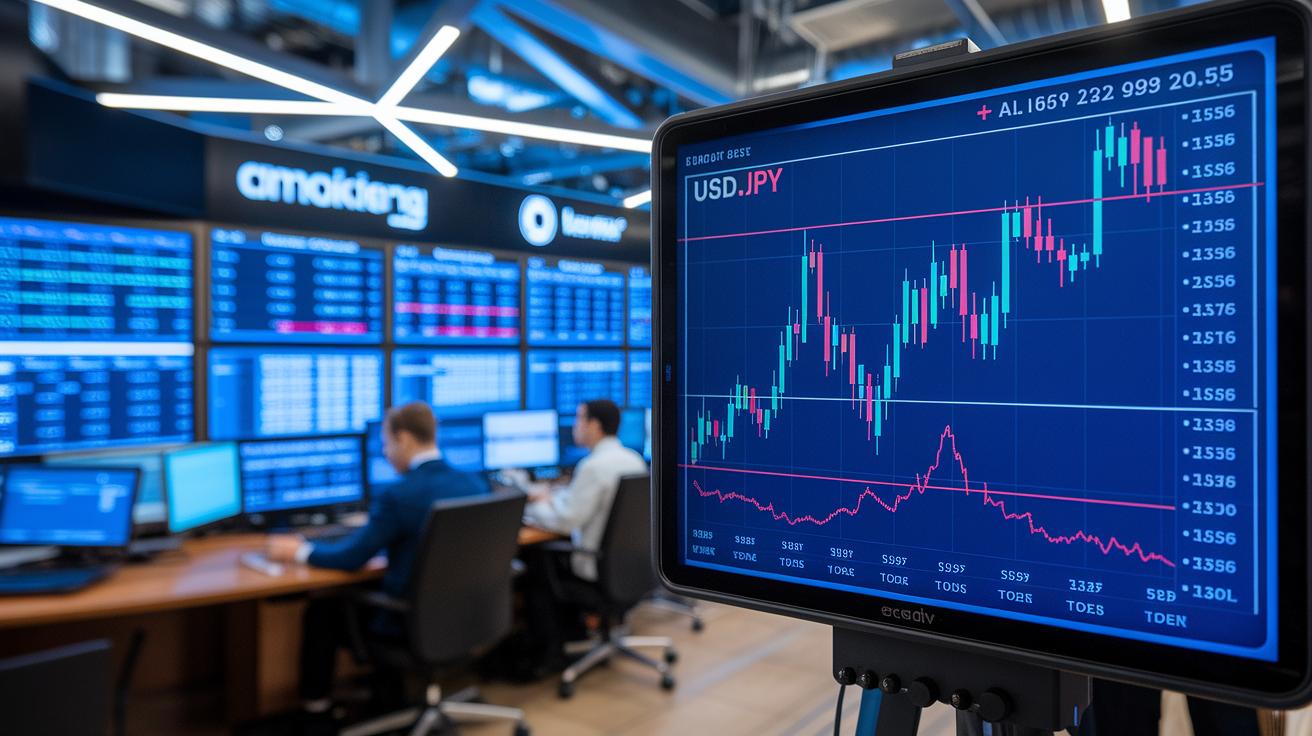
Artificial intelligence and machine learning are changing how we manage risk by keeping a keen eye on market moods. They monitor real-time data, like shifts in the USD to JPY exchange, so they can sense a change in sentiment before it really affects the market. In simple terms, these systems take streams of news and social chatter and turn them into clear signals. It’s like they transform gut feelings into data you can actually use.
New, smart models now send out early warnings when they spot unusual trends. They use straightforward algorithms that check market behaviors and measure risk levels all the time. With a touch of algorithmic control optimization (basically adjusting risk settings based on live data), these tools fine-tune themselves to fit the current market pulse. This means even those who aren’t heavy into numbers can tap into high-level sentiment analysis easily.
These AI-driven methods come with built-in safety nets that adjust investment positions on the fly to manage sudden volatility spikes. They bring clarity when uncertainty hits, continually reworking risk exposure as market sentiment shifts and fresh data appears. It’s almost like having a friendly guide who helps keep your portfolio balanced, even during turbulent times.
Final Words
In the action, the article explained how sentiment analysis transforms everyday data into clear signals for risk control. It broke down how these signals integrate with technical tools, guiding asset allocation and early risk warnings.
The discussion also showcased real-time dashboards and AI-driven models that refine investment decisions.
By combining these insights, investors can boost risk management using market sentiment while confidently steering their digital portfolios toward a brighter future.
