
Ever wonder if a sudden market craze can shake up your long-term investments? A single tweet or rumor can boost a solid stock much like a gust of wind sends a kite soaring. Meanwhile, steady fundamentals are like checking your car before a long ride, they keep you safe and ready. Today, let’s explore how mixing investor mood with sound financial basics can lead to smarter choices. This balance lets you snap up quick shifts while leaning on solid value for lasting success.
Navigating Investor Sentiment vs Market Fundamentals for Clear Investment Strategies

Market sentiment is the overall mood that investors feel, driven by headlines, social media chatter, or quick news flashes. It can shift prices quickly, much like a sudden gust of wind that sends a kite soaring unpredictably. For example, one day a mere rumor can send a solid stock into a brief rally, leaving even seasoned experts a bit baffled.
On the other hand, fundamental analysis digs deeper by looking at a company’s income statements (which show earnings and expenses), balance sheets (lists of what the company owns and owes), and cash flow reports (which track money moving in and out). Think of it like checking your car’s engine and tires before a long road trip to ensure everything is in top shape.
These two ideas aren’t at odds with each other; they really work best when paired together. Quick moves based on market emotion can help you decide when to jump in or get out, while solid fundamentals act as a safety net by confirming the underlying value of what you’re buying. Traders often use sentiment cues to catch rapid changes in the market, but they rely on fundamental numbers to make sure their decisions are built on strong, lasting value.
Mixing both approaches creates a balanced strategy that looks for short-term opportunities without losing sight of long-term goals. By combining the rush of market sentiment with steady financial health, you can avoid snap decisions driven by fleeting emotions. In short, this balanced mindset can guide you to smarter and more secure investment choices, no matter how unpredictable the market may be.
Measuring Investor Sentiment: Market Psychology and Behavioral Finance Insights

Market sentiment shows the overall mood of investors, whether they're feeling upbeat or cautious. It’s a bit like watching a bunch of friends react to a surprising twist in a movie. One big headline can send shares soaring one moment and dropping the next. For instance, a sudden rumor about regulatory changes once sparked a 10% rally in a top stock during a single session.
Behavioral finance helps us understand these quick shifts by looking at simple mood signals from investors. We rely on surveys, sentiment indexes, and even trends on social media. Tools like trend analysis in financial markets collect data from surveys and online discussions, turning soft feelings into clear, measurable numbers. This lets us see when excitement or worry is taking over the market.
Sentiment indexes work like a quick check-up on investor emotions. When most investors feel optimistic, traders might expect a short-term bump in prices. On the other hand, if there is a wave of pessimism, a drop might be on the way. These insights help market watchers time their moves better and decide if today’s price swings match the true value of the market.
Assessing Market Fundamentals: Economic Health and Company Financial Strength

Fundamental analysis is kind of like a check-up for a business. Investors dig into income statements (showing where money comes in and goes out), balance sheets (listing what the company owns versus what it owes), and cash flow reports (tracking the movement of cash). These documents help paint a clear picture of a company’s overall health.
Investors also look at useful numbers like revenue growth, profit margins, return on equity (a measure of how well a company turns investment into profit), and debt ratios. When a company shows steady revenue growth and expanding profit margins, it’s often a sign that the management is strong and operations are stable.
Then, you add in the bigger economic picture. Economic signals like GDP growth, inflation trends, and shifts in interest rates show how a company might perform within the larger market. Even a well-run business can face challenges if the overall economy slows down. For more insights on these trends, check out the macroeconomic analysis at https://nftcellar.net?p=1121.
By combining the details from a company’s financial reports with the broader economic backdrop, investors can better gauge a company’s true value and make smarter decisions for long-term growth.
Short-Term vs Long-Term Focus: Timing Market Moves with Sentiment and Fundamentals
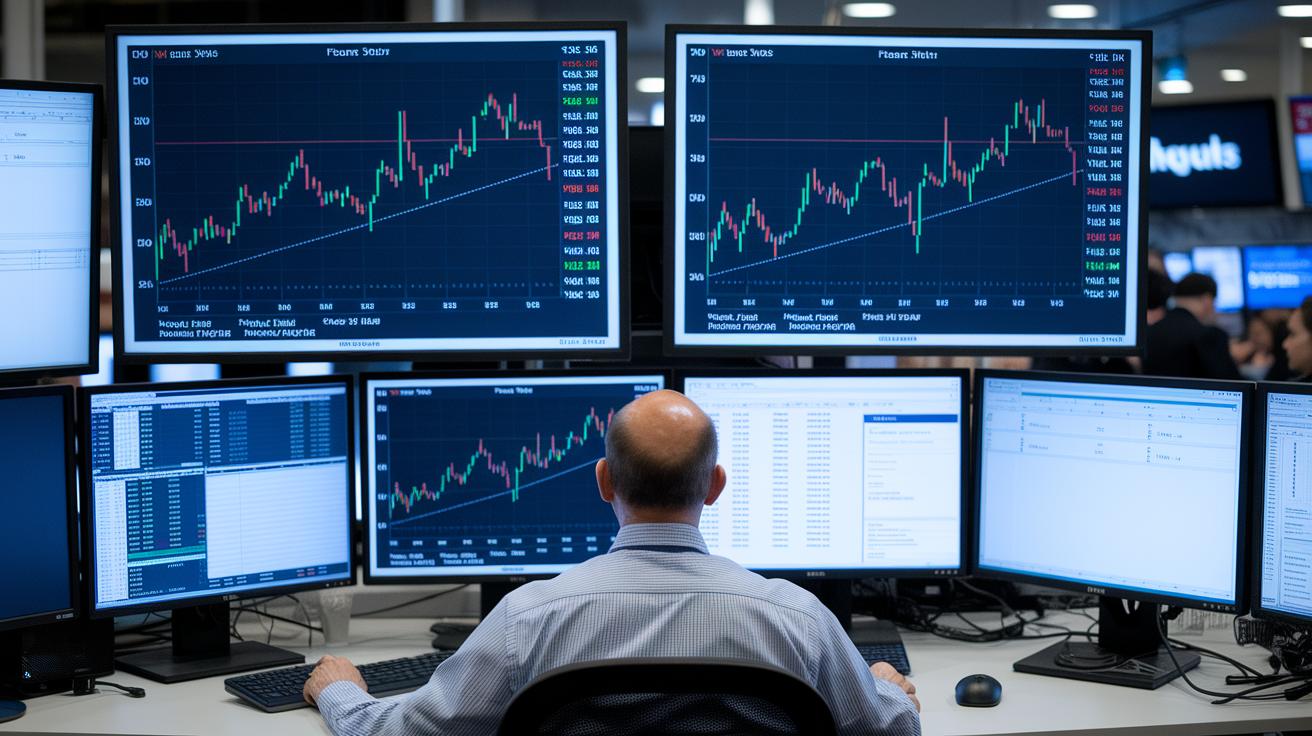
We already talked about how market mood tools can catch quick changes; check that section if you need more details. In quick trades, mood analysis, like the fear and greed index (a simple tool that shows how scared or excited the market is), helps spot short-term shifts. For example, one trader noticed a burst of upbeat chatter after a big policy change and jumped in fast, making gains in just a few minutes.
For long-term investments, you look at solid numbers like discounted cash-flow appraisals (a method to value a company based on expected future cash flows, adjusted to today’s value). When the chatter is low, steady revenue growth might hint at hidden value behind a brief price drop. One study showed that even when market mood was quiet during an earnings lull, strong fundamentals signaled a recovery that could take shape over several years.
In short, pairing these clear, real-world examples with earlier insights helps you balance quick moves with smart, long-term financial decisions.
Combining Sentiment and Fundamentals: A Blended Strategy for Optimal Entry and Exit

Investors mix long-term company basics with short-term market moods. They use tools like trading signal synchronization (which lines up the market’s vibe with solid financial facts) and the investment conviction index (that shows how sure investors feel about a move) as handy checkpoints. For example, a boost in market mood following strong earnings can signal it’s time to adjust your position, much like catching the right beat in your favorite song.
The investment conviction index brings together key financial reports with the overall mood of the market. This blend helps set clear points for entering and exiting while keeping risks balanced. Experts often use tools to analyze market trends that merge live sentiment with steady fundamentals, uniting ideas you might have already come across in other parts of our discussion.
Investor sentiment vs market fundamentals: Bright Insights

Infosys Limited nicely shows how a mix of upbeat investor feelings and solid financial reports can boost stock prices. When market chatter gets excited and the numbers look good, the effect is like getting two wins at once. On one memorable day full of happy headlines, Infosys’ shares soared after a strong quarterly report, a clear signal amid all the noise. In short, checking both the fine print in a balance sheet and the mood of the market can lead to lasting progress.
Reliance Industries is another great example. Its strong earnings, think rapid revenue growth and decent profit margins, lift investor spirits. Investors notice that the solid numbers promise long-term value while the immediate excitement keeps the stock moving higher. Together, these clear signals show how core facts and market feelings work hand in hand in trading decisions.
Yes Bank, however, tells a cautionary story. Negative whispers and weak balance-sheet numbers brought steep declines. A closer look revealed serious financial issues, and the resulting gloomy market mood turned caution into fast price drops. It’s like a warning light: when a company’s financial health is shaky, even a small bit of bad news can cause a big fall.
Tata Motors shows that even stable company numbers can fall prey to external factors. Despite steady fundamentals, global policy shifts and sudden changes in market mood swayed investor feelings. This mix reminds us that sometimes market sentiment can override the steady rhythm of strong financial data.
- Infosys Limited: solid fundamentals paired with upbeat momentum.
- Reliance Industries: strong earnings driving a bullish investor mood.
- Yes Bank: weak financial numbers leading to negative sentiment.
- Tata Motors: consistent figures offset by sharp external mood shifts.
Final Words
In the action, the post broke down the key ideas behind investor sentiment and market fundamentals, mixing clear definitions of market mood with deep analysis of financial health. The discussion showed how blending fast-moving emotions with steady financial strength can guide better entry and exit choices.
By comparing short-term shifts to long-term trends, the article helped show that the dance between investor sentiment vs market fundamentals can lead to smarter digital asset moves. Stay positive and keep refining your strategy.
FAQ
What is the difference between sentiment and fundamentals?
The difference between sentiment and fundamentals is that sentiment reflects the market mood driven by news and social media, while fundamentals are the basic financial facts showing a company’s true, long-term value.
What does investor sentiment mean?
Investor sentiment means the overall mood of market participants, often swayed by headlines and rumors, which influences short-term price moves by creating optimism or fear.
What is fundamental vs technical vs sentiment analysis?
Fundamental analysis looks at financial data like earnings and assets, technical analysis studies past price patterns, and sentiment analysis considers investor mood to predict short-term price shifts.
Which is more important in stock market forecasting, attention or sentiment?
Stock market forecasting values sentiment, as it captures the collective emotions and reactions of investors which often drive price fluctuations more directly than mere attention to market noise.
