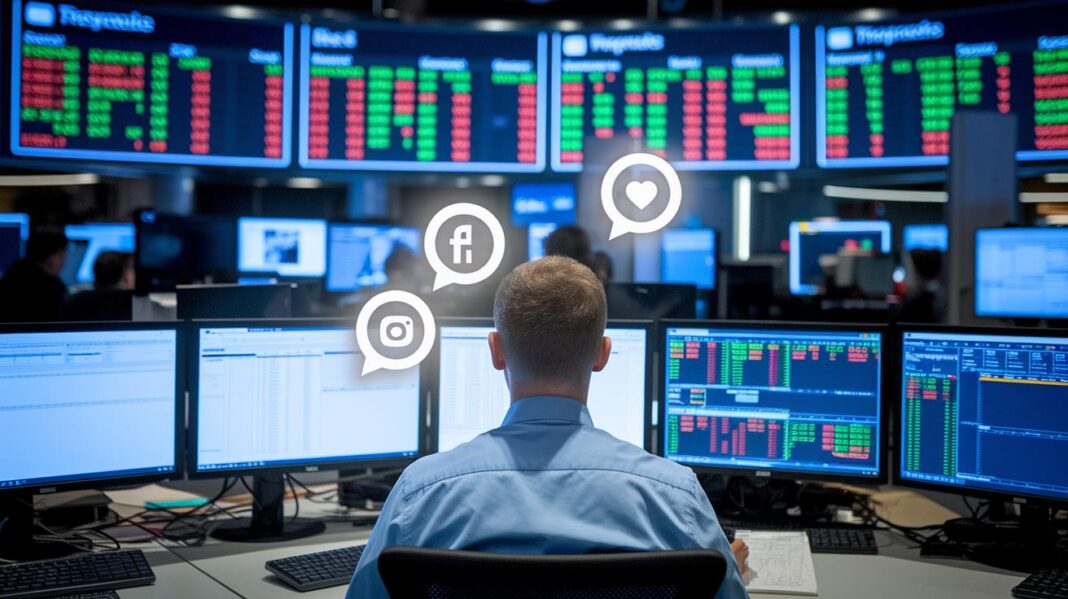
Ever wondered if a few short tweets can change the market? New research shows that real-time chatter on social media really affects how investors feel about stocks. With nearly three million tweets about stocks hinting at twists and turns, it’s clear that online opinions can start growth.
In our fast-moving world, casual digital chats mix with market data to shape what we see in the market every day. This post looks at how popular hashtags, live discussions, and key voices work together to boost market momentum.
How Social Media Drives Market Sentiment

Market sentiment is simply how investors feel about a market or asset. It shows whether traders are feeling upbeat or a bit uneasy based on common opinions. Social media gives us a live peek into what people are thinking about market moves.
Recent research looked at almost three million stock tweets over a year. The study found that tracking these tweets helped predict short-term market ups and downs with more than a 50% success rate in places like France, Germany, Japan, Spain, the UK, the US, India, and Poland. This supports the idea that investors often follow the crowd and react emotionally when big events hit.
Here are some key ways social media shapes market vibes:
- Algorithm amplification
- Engagement spikes
- Trending hashtags
- Influencer endorsements
- Viral discussion loops
Each of these factors plays a part in how investors respond. For example, when an algorithm boosts a rumor, it spreads quickly online. Engagement spikes can highlight sudden interest, and when a well-known person talks about a stock or a hashtag takes off, discussions can go viral, shifting market sentiment fast. Analysts mix these online clues with traditional charts to fine-tune stock predictions and tweak portfolios. It’s a blend of lively digital chatter and steady data that helps investors keep pace with fast-changing trends.
Key Channels for Social Media Influence on Market Sentiment
Microblogs, forums, and broadcast channels are the main spaces where market moods take shape. On microblogs like Twitter, updates spread in a flash. Forums such as Reddit or finance-specific boards invite folks to share thoughtful insights over a longer chat. And broadcast channels like YouTube or Facebook let presenters reach large audiences with live or recorded market insights.
The vibe and amount of chatter on these platforms can really sway investor feelings. A sudden wave of positive tweets might spark excitement, pushing traders to act fast. Meanwhile, heated forum discussions can bring out shared concerns or bursts of hope, nudging short-term price moves through collective mood shifts. And when a market commentator speaks confidently on a broadcast channel, it can hint at upcoming changes, encouraging investors to rethink their positions during busy periods like earnings season or policy updates.
Trending hashtags on Twitter or lively debates on finance forums have sometimes set off quick market reactions and noticeable price moves. This shows that the energy of online communities can quickly spark growth and shift how the market feels.
Methodologies to Measure Social Media Influence on Market Sentiment

We gather data from tweets, blog posts, forum chats, and news about companies to see how people feel about the market. Experts dig through huge amounts of online chatter using text-mining techniques to pull out opinions and emotions. Think of it like scanning thousands of posts to catch the first spark of investor excitement, each sentence is a little window into the overall mood.
Natural language processing (NLP) is what makes this possible. It uses mood-scoring systems that tag words as either positive or negative, essentially turning text into numbers. It's a bit like reading a room: a burst of excited tweets might get a high optimism score, while more cautious messages result in a lower score. For instance, when you see a tweet full of cheer about a stock that’s rising, NLP picks up on that joy and gives it a positive number.
- Sentiment lexicons
- Machine-learning classifiers
- Network-analysis metrics
- Engagement-rate weighting
- Time-series correlation
- Hybrid sentiment-price models
Each method has its own strengths and limits. Sentiment lexicons quickly pick up on basic feelings but can miss the subtle shades of market talk. Machine-learning classifiers learn from past data and adjust over time, though they depend on having good quality history. Network-analysis metrics show how investors and influencers connect, but they might overlook one-off surprises. Engagement-rate weighting tracks immediate online interactions, even if it's sometimes skewed by a viral hit. Time-series correlation links online chatter with price moves, though it can be hard to prove a direct cause-and-effect. Hybrid sentiment-price models blend digital buzz with traditional charts for a fuller picture. In short, regular checks and updates are key, much like tuning an instrument to hit just the right note.
Case Studies: Social Media Sentiment and Market Movements
Real-world examples show just how strong an impact online chatter can have on the market. When we look at almost three million stock-related tweets and moments like the Reddit-fueled GameStop rally, we see that discussions online can really sway stock prices. These examples remind us that investor talks on social platforms can change how the market feels and even spark quick, noticeable price changes during key events.
| Platform | Market/Event | Prediction Accuracy |
|---|---|---|
| Developed markets intraday prediction | >50% | |
| GameStop short squeeze | N/A but high volatility |
Looking at these studies teaches us important lessons. Twitter’s digital signals managed to predict over half of the short-term movements in developed markets, showing that quick online updates can give helpful clues when earnings reports or policy changes roll out. And then there’s the GameStop saga on Reddit, where a burst of community energy led to sudden, wild price shifts even though there wasn’t a clear percentage to trust. In short, traders can get a real edge by combining the buzz of social media with traditional stock data. By catching these digital hints early, you might be able to adjust how you manage risks and position your capital as the market moves.
Implications for Investors and Forecasting Models from Social Media Influence
Investors are getting creative with their strategies by mixing social media buzz with classic market charts. They’re looking at online chatter alongside traditional signals to keep risk in check. Hedge funds, for instance, now watch digital trends closely to spot shifts in mood during big events. When negativity grows online, some investors even try an opposite approach, changing their positions to balance risk while aiming for better returns. It’s a smart mix of gut feelings and hard data that’s reshaping how portfolios are built.
Forecasting models are catching up, too. They’re now adding real-time feelings from online discussions to their calculations. Think of it like watching your favorite sports game where one exciting play can change the outcome; a burst of social media talk can shift investor moods, prompting a quick model update. Traders blend simple charts with behavior clues (like how easily an asset can be converted to cash) to stay agile. This strategy helps them dial in predictions that truly reflect the current market vibe.
Using public chatter for insights means keeping a sharp eye on rules. Firms turning to online sentiment must also follow changing data privacy and ethics guidelines. They set up smart safeguards to protect both investor info and market fairness. By matching solid compliance with real-time trends, investors can tap into social sentiment without breaking any rules, staying trusted while catching new opportunities.
social media influence on market sentiment ignites growth
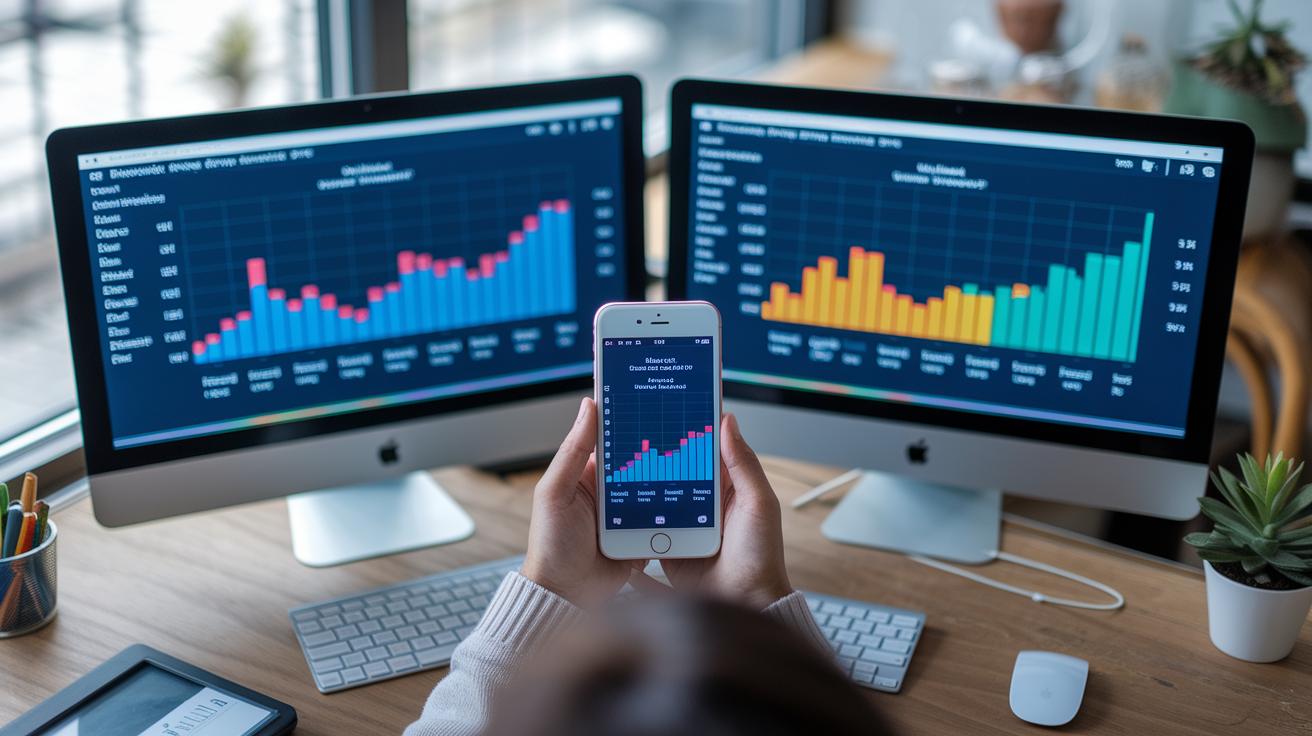
Commercial tools and open-source projects both offer a strong base for checking out how social media moods can drive growth. Many commercial platforms come with built-in API access (that’s an easy way to pull data) to sources like Twitter and Reddit. They also feature smooth dashboards that mix mood scores with price charts. Open-source libraries, on the other hand, give you the freedom to tweak things. With tools like NLP (which helps a computer understand human language) and graph analysis, you can map influencer networks just the way you like.
These options pack features that make tracking public feelings and market vibes much simpler. Real-time alerts keep you posted as trends start to emerge, and interactive dashboards let you see buzz impact at a quick glance. API integrations, which connect different software systems, ensure that data keeps flowing in steadily. In short, these tools keep innovating, blending digital chatter with classic market data in a really smart way.
When you’re choosing a tool, think about the size of your data and how detailed you want your analysis to be. Smaller portfolios might do just fine with a streamlined commercial package, while larger datasets could benefit from customizable open-source solutions. Essentially, pick something that matches your operational scale and your need for insight to keep a sharp eye on market sentiment.
Future Trends in Social Media and Market Sentiment Analysis

AI is quickly changing the way we understand social media. New sentiment models mix words, pictures, and sounds (audio, which means listening closely to sound patterns) to analyze data from apps like TikTok. These smart systems cut down the noise from deep fakes and track how ideas spread in real time among investor groups. In short, we’re moving toward forecasting that reacts fast, blending online chatter with more traditional information to predict market moves better.
At the same time, rules around data privacy and public information are tightening. Financial experts now have to juggle fast-paced innovation with these new compliance standards. New models are now looking at media cues and shifts in public opinion to fine-tune their predictions. This mix of cutting-edge tech and stricter rules is already changing market trends and setting the stage for smarter, more resilient ways to forecast sentiment in finance.
Final Words
In the action, we explored how digital chatter shapes market sentiment through social media. Key aspects focused on how tweet sentiment and virtual discussions can influence stock predictions.
We saw channels like:
- Algorithm amplification
- Engagement spikes
- Trending hashtags
- Influencer endorsements
- Viral discussion loops
These factors combined with advanced data analysis give investors a clear edge when building robust portfolios. The power of social media influence on market sentiment continues to spark fresh, secure ways to approach digital finance with confidence.
FAQ
How does social media influence the stock market?
The social media influence on the stock market works by amplifying investor mood through trending posts, influencers, and rapid discussion. These digital insights can cause short-term price moves and shift market sentiment.
How often does a 20% market correction occur?
The frequency of a 20% market correction varies with economic cycles and market conditions. Historical trends suggest these corrections happen every few years, influenced by broad economic signals and investor sentiment.
What factors influence market sentiment?
Market sentiment is influenced by news headlines, economic data, investor emotions, and digital chatter on social platforms. These factors combine to shape collective expectations which drive buying and selling patterns.
What is the impact of social media sentiment on the stock market based on user classification?
The social media sentiment impact on the stock market based on user classification reflects diverse views from retail traders, institutional investors, and key influencers. Each group’s input may affect market volatility and trend prediction.
How does investor herding behavior on social media affect market trends?
Investor herding behavior on social media affects market trends by encouraging rapid group actions and shared opinions. This collective movement can intensify price changes as many traders react simultaneously to online chatter.
