Have you ever wondered how a slight drop in interest rates can change the game? Even a small rate cut of 0.25 percent (that means 25 basis points, or one-quarter of one percent) is causing a stir. Investors are reacting as stock prices rise and government bond yields fall. This change comes on the back of a softer job market and a slowdown in consumer spending. It hints that cheaper loans could give a fresh boost to major indexes like the Dow Jones and S&P 500. Today’s market feels like a careful balancing act, full of hope mixed with caution, setting the stage for changes that might reshape our financial future.
Fed Rate Decision Market Reaction: Promising Shifts
The Fed is set to make a small 25 basis point rate cut as early signs suggest the job market is cooling and consumer spending is softening. Investors are keeping a close eye on forward guidance that shapes expectations for the DXY, Dow Jones, and S&P 500. Q2 GDP grew by 3.3%, a modest figure mainly driven by better trade figures rather than strong spending at home. Right now, we see stocks rallying while Treasury yields drop, clearly showing markets are pricing in quicker cuts and a more supportive monetary policy.
Investors are feeling the tug between policy expectations and economic data. Recent gains in the S&P 500 and Dow Jones come on the promise of cheaper borrowing costs, even as worries about lower domestic spending and job market issues hold sway. Ever notice how quickly markets shift? The weaker dollar and falling bond yields perfectly capture this change. Just consider that after years of steady rate expectations, a tiny 25 basis point cut can spark a burst of energy in the market.
Mixed economic signals are creating a fascinating split in market behavior. On one hand, stock indexes surge with optimism for lower rates; on the other, bond markets remain cautious due to a tepid consumer base and modest GDP growth. In short, these shifts show a market continuously balancing hope on one side and caution on the other as it adjusts to new policy signals.
Fed Rate Decision Impact on Stock Performance
Looking at past records, stock markets often get a boost after the Fed cuts rates. Big indexes like the S&P 500 and Dow Jones tend to rally when rates drop. With a shaky job market and slower wage growth, even a small rate cut gives investors hope for easier borrowing. Many investors use these trends as a guide when making their decisions.
Many believe that some market sectors shine when rates fall. Sectors like Financials, Technology, and Consumer Discretionary often steal the spotlight on the day of the announcement. Traders think these areas are flexible and ready to benefit from lower borrowing costs, which can lead to higher profits. Before you know it, funds start shifting into these sectors as investors gear up for change.
Here are the top three sectors often noted:
- Financials: They benefit from a renewed interest in borrowing and loan growth.
- Technology: This sector gets a boost from fast innovation and increased spending on IT.
- Consumer Discretionary: Easier borrowing conditions help boost consumer spending.
This trend shows that even a small policy change can spark focused moves in the market, paving the way for investors to adjust their portfolios right after the announcement.
Fed Rate Decision Effects on Bonds and Currency

When the Fed cuts rates, you can really see the change in US Treasury yields. Lower rates make bond yields drop, which flattens the yield curve as investors start looking for safer options. At the same time, the DXY Index falls, meaning the dollar gets a bit weaker when hints of more rate cuts come through. Currencies like the EUR/USD begin to shift, showing how even small policy changes can move different parts of the market.
Investors keep a close eye on these moves because even a minor adjustment can affect many different types of assets. Lower yields often push people toward alternatives that offer a bit more return, which can change how portfolios are balanced between bonds and currencies. It’s like watching a ripple move through a pond, small changes in one spot can spread out widely across the financial market.
Below is an HTML table showing sample pre- and post-decision rates for key assets:
| Asset Class | Pre-Decision Rate | Post-Decision Rate |
|---|---|---|
| 10-Year US Treasury | 2.50% | 2.35% |
| DXY Index | 98.0 | 96.5 |
| EUR/USD | 1.08 | 1.10 |
These rate changes show a clear immediate impact on the market that investors need to think about along with the bigger economic picture.
Historical Context of Fed Rate Decision Market Reactions
Back in 1994, the Fed bumped up rates and soon after, bonds started falling fast, leaving investors in a bit of shock. That quick move made bond returns jump, and suddenly, bonds didn't seem as safe as they once did. It really showed how even a small rate hike can stir up surprises across different kinds of investments.
During the 2008 crisis, the Fed switched gears and cut rates multiple times to help tired markets. Stocks bounced back strongly, giving investors a much-needed boost of hope. This clear move proved that easing up on money policies can quickly lift stock prices, even when things look pretty grim. It was a reminder that careful tweaks can ease fears and bring back confidence in the market.
Then in 2020, at the height of a global health crisis, the Fed slashed rates big time. Stocks surged, and yields dropped to record lows. This sudden push to lower borrowing costs sent waves through every part of the market. Even the value of the dollar got a shake-up, as investors started switching from safe bonds to assets with more room to grow. It was a solid lesson that when the Fed surprises us with unexpected moves, both stocks and bonds can react more wildly than usual.
The timing and size of these changes show a clear trend. Even small shifts in policy can cause noticeable ripples, especially when key economic indicators like jobs and spending add extra uncertainty. Learning from these past moments can help us better understand how today's markets might react when the Fed steps in.
Fed Decision Market Outlook and Analyst Forecasts

Investors are beginning to see hints that the Fed may cut rates by 25 basis points up to four more times this year. With softer inflation and slower job growth, the signals point to a friendlier policy ahead. Market models like the dot plot (a chart that shows experts’ guesses of future moves) provide clear guidance, helping everyone plan for a steady pace of rate cuts. One trader even compared it to a weather forecast, saying clear signals help you get ready for rain or shine.
Experts are not in complete agreement about what will happen next. Some lean toward a cautious approach, while others think a softer, or dovish, path may drive rates down faster than expected. This mix of opinions means it’s smart to be prepared for either scenario. For those who rely on chart-based forecasts, following a link for technical analysis can shed more light on how these trends are shaping up.
In times like these, forward guidance is key. It sets the tone in the market and stirs up conversation about changing rates. As new economic data rolls in, you’ll see the outlook shift, influencing short-term trades and even long-term plans. So, keeping an eye on how the Fed’s stance evolves is always a smart move.
Fed Rate Decision Market Reaction: Sector and Asset Allocation Insights

When the Fed lowers rates, investors often rearrange their portfolios to chase quicker gains. They tend to move funds into stocks that are more reactive to market shifts, leaving behind steadier bonds. Think of a trader who shifts a bit of their money from fixed income into stocks that hit the market’s upbeat moments.
Investors usually make these changes right after news of a new policy. Even a small rate cut can inspire a move away from low-yield options and toward assets that benefit when borrowing becomes cheaper. In other words, they give more weight to lively equity sectors and instruments that thrive on lower rates. At the same time, the way credit flows adjust, favoring investments that have performed well during periods of lower rates.
There’s also a clear effect on derivatives markets. Prices for futures and options start hinting at expectations of lower rates, and analysts notice that market swings seem to calm down. This makes both big institutions and everyday investors feel encouraged to rebalance their portfolios and try to catch that rising momentum.
Key ideas to keep in mind:
| Idea | Description |
|---|---|
| Shift in Assets | Moving from stable investments into more dynamic stocks |
| Real Estate and High-Yield | Increasing exposure to real estate and riskier bonds for potential gains |
| Derivatives Signals | Using futures and options trends to guide portfolio changes |
In short, investors see a rate cut as a chance to realign their money with where the market feels most energetic and promising.
Fed Rate Decision Trading Volatility and Volume Dynamics
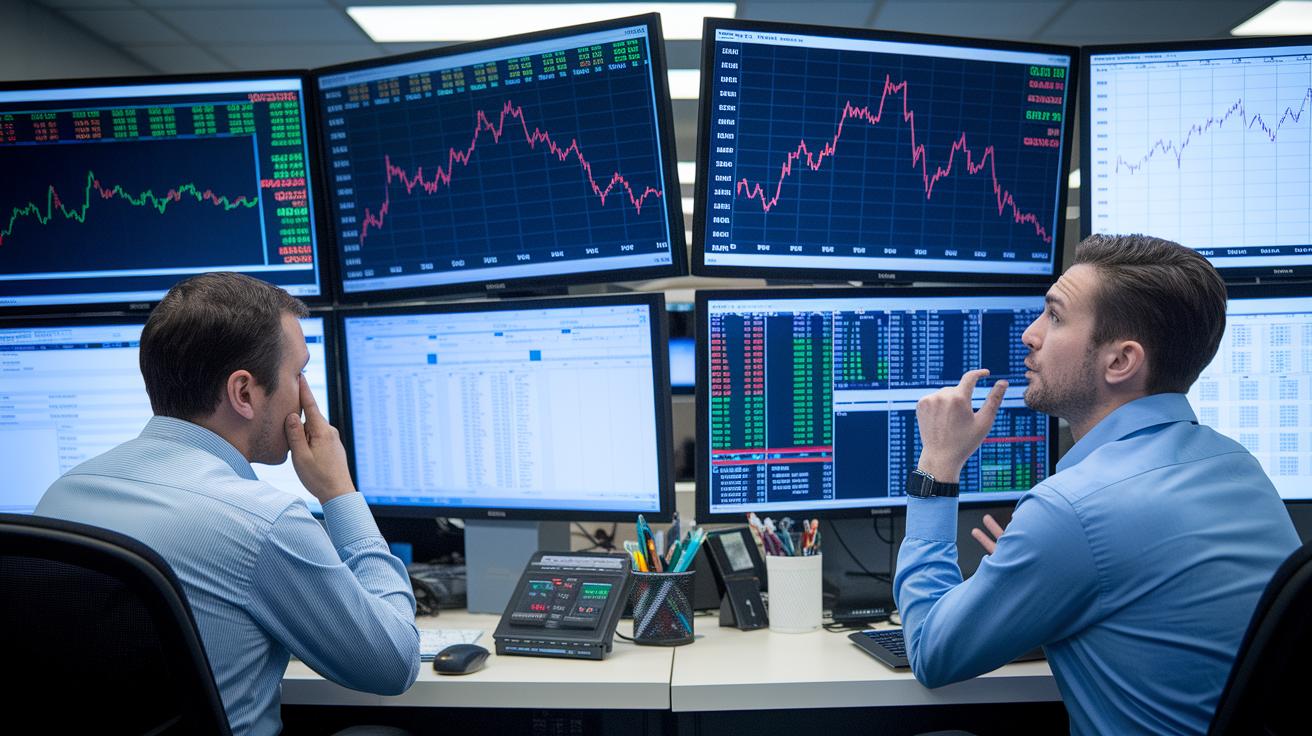
When the Fed speaks, trading volumes jump in a big way. Both automated systems and big institutional players start moving almost instantly. For example, one trader noted, "a surprise rate cut can turn a calm day into a whirlwind of trades." These quick changes send noticeable ripples through the short-term markets. Analysts watch these trends carefully because they offer clues about how easily assets can be converted to cash.
Often, when people expect a rate cut, the VIX index (a measure of market uncertainty) tends to dip. But if the cut comes as a surprise, the index jumps up quickly. It’s really like seeing a calm sea suddenly become choppy. These rapid shifts remind traders of the unpredictable nature of the market and the need to adjust their strategies fast.
All in all, this mix of sudden rate cuts and fast-moving trading volumes shows just how reactive the market can be. The blend of automated trades and human judgment creates an edge that savvy short-term traders know well. Recognizing these signals can help them seize brief opportunities as they arise. In short, when the market moves this quickly, staying alert is the name of the game.
Final Words
In the action, recent market shifts sparked by the Fed rate decision received a swift response across equities, bonds, and currencies. We outlined key historical patterns and how current moves shape asset allocation and investor sentiment.
Investor insights showed that post-announcement adjustments can signal trading shifts and help steer investment strategy. The fed rate decision market reaction continues to drive nuanced dynamics, leaving room for a bright outlook ahead.
FAQ
Frequently Asked Questions
How does the Fed interest rate affect the market?
The Fed interest rate affects the market by changing borrowing costs, influencing stock valuations, shifting bond yields, and altering currency strength, which guides immediate adjustments across diverse asset classes.
What happens to stocks when the Fed cuts rates?
The Fed cuts rates often boost stocks by lowering the cost of borrowing, sparking investor optimism and prompting rallies in major indices like the S&P 500 and Dow Jones.
What was the outcome of the Fed rate decision?
The Fed rate decision results in altered borrowing costs and immediate market reactions in equities, bonds, and currencies, ultimately shaping investor sentiment and forward market expectations.
What time is the Fed rate cut decision announced?
The Fed rate cut decision is announced during a scheduled press conference following the FOMC meeting, with the precise timing provided in advance by official sources and major news outlets.
How do Fed rate decisions affect mortgage rates?
Fed rate decisions impact mortgage rates by influencing the overall interest rate environment, often leading to lower mortgage rates when the Fed cuts rates, which can make home financing more attractive.
When is the next Fed meeting and rate cut date?
The next Fed meeting and potential rate cut date are scheduled by the FOMC, with dates and details published ahead of time through official channels and major finance news sources like Yahoo Finance.
