
Have you ever wondered if a quick tap on Venmo could change your entire digital coin experience? Venmo crypto makes buying, selling, and sending assets feel as simple as ordering your favorite coffee. You just pick your coin, type in your investment, and see it show up almost right away. With clear fees and easy identity checks, this method is changing everyday transactions and sparking interest among both beginners and seasoned users. It’s really changing how we manage and enjoy our investments.
Venmo Crypto: Overview of Buying, Selling & Transfers

Venmo makes buying and selling digital coins feel almost as easy as ordering your favorite coffee. Just tap on the Crypto tab and pick the coin you want, options include Bitcoin, Ethereum, Litecoin, Bitcoin Cash, Solana, ChainLink, and even PayPal USD (PYUSD). Imagine tapping a button and watching Bitcoin appear on your screen in moments.
After you pick a coin, you enter the dollar amount you want to invest. The app clearly shows you all the fees, which include a spread and a little extra transaction cost. That way, you know exactly what you're spending, even if the final amount comes out a bit different. Funding your purchase is straightforward too, you can use your Venmo balance, a debit card, or a linked bank account (credit cards aren’t accepted for crypto transactions).
Before you can trade, Venmo asks for a quick identity check. You’ll need to share your full name, date of birth, and Social Security number so they can confirm you're at least 18. Once your purchase is done, your cryptocurrency shows up instantly in Venmo’s custodial wallet. This makes managing your asset simple, though it does mean you can’t transfer it directly to another wallet.
In short, the steps are:
| Step | Action |
|---|---|
| 1 | Tap the Crypto tab |
| 2 | Select your coin |
| 3 | Enter your investment amount and review fees |
| 4 | Complete the identity verification |
This clear and secure process helps both beginners and experienced investors dive into digital assets with confidence.
Venmo Crypto Fees & Purchase Limits Explained
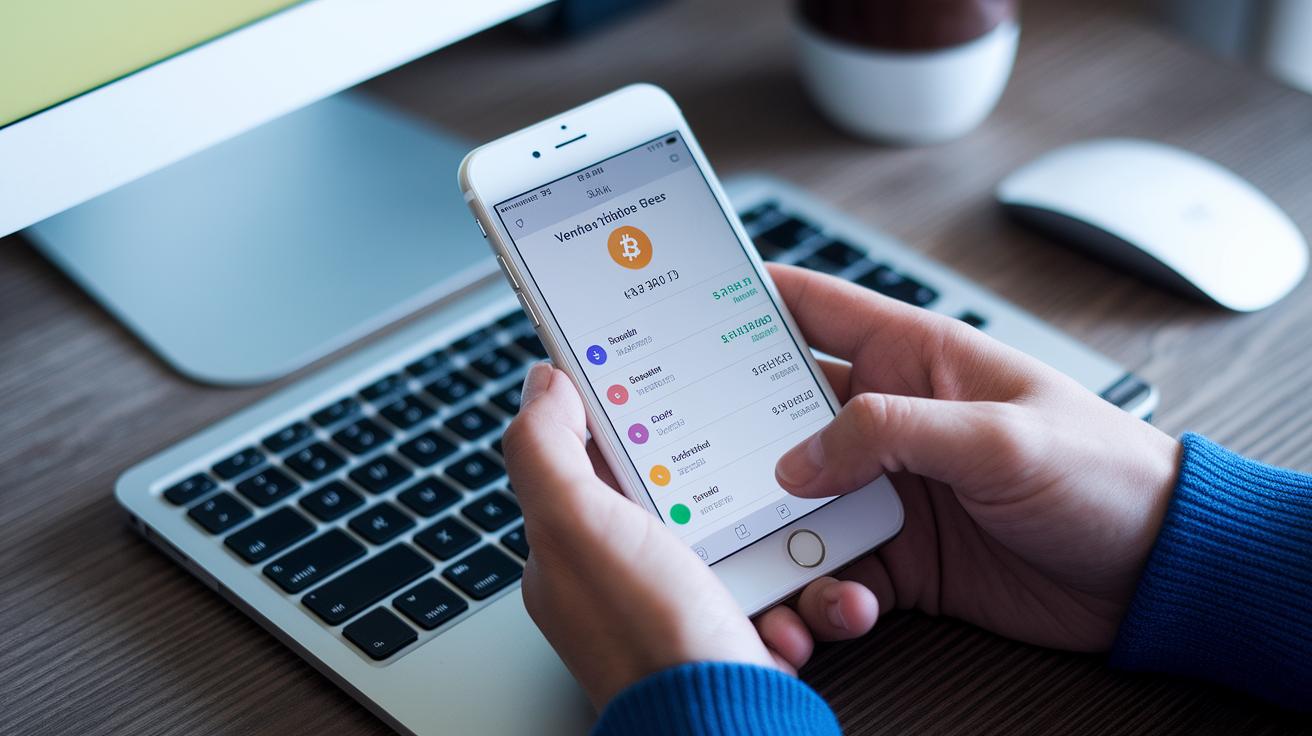
Venmo charges both a spread and an extra fee on every crypto buy and sell, and sometimes these fees can be higher than what you'd spot on other sites. When you look over your checkout details, you'll see that the fee changes depending on the coin you pick and how much money you're investing. For example, if you're buying Bitcoin with $10, the fee shows up clearly, much like checking the nutrition label on your favorite snack.
The smallest amount you can spend is $1. There are also limits on your transactions; you're capped at $20,000 each week and $50,000 each year. It’s a bit like having a spending limit on your debit card to keep things manageable.
Completing a transaction can take anywhere from almost instant to a few hours. This timing depends on factors like network traffic or liquidity (liquidity means how quickly an asset can be converted to cash). Think of it as waiting for a package: sometimes it arrives right on time, and other times you have to wait a little longer before your funds show up.
Venmo Crypto Security & Regulatory Compliance
Venmo takes your digital safety seriously. They add extra layers of protection with two-factor authentication (a second check where you enter a simple code) and end-to-end encryption (a way to scramble your data from start to finish). They even keep an eye out for any odd activity to alert you if something doesn’t look right.
When you use Venmo for crypto, you need to verify your identity. This means you provide your full name, birth date, and Social Security number. It’s like a digital passport check that makes sure you’re 18 or older and meets strict "know your customer" and anti-money laundering rules. This step helps keep the marketplace safe by ensuring only eligible U.S. residents trade.
Since regulations for digital coins can change quickly, Venmo stands ready to adjust limits, fees, or supported assets when needed. These measures help keep your digital wallet secure and build trust by following clear legal guidelines. In short, trading crypto on Venmo is designed to be both simple and worry-free.
Venmo Crypto: Smooth asset transactions spark growth

Venmo’s wallet lets you quickly see your digital coin balances and check your transaction history. You can easily review each deposit and trade, but you can't send coins directly to wallets outside Venmo. So while keeping track of your investments is simple, moving them to another wallet takes an extra step with a partner solution.
To transfer your crypto off the app, Venmo works with BitPay and MoonPay. First, download the BitPay app and tap the "Buy Crypto" button. Then, choose the coin and the amount you want to send. Next, pick Venmo as your payment method, and you’ll be taken to MoonPay to finish the process. Once Venmo confirms your payment, BitPay sends your chosen asset, whether it’s Bitcoin, Ethereum, or even coins like Litecoin, Polygon, or Dogecoin, directly to the address you provided.
BitPay supports hundreds of coins and offers handy tools like managing wallet addresses, scanning QR codes, and tracking transaction status. These features make transferring your Bitcoin or other coins on a payment app both straightforward and secure.
- In-app custody means you can instantly see your balance and history.
- Moving funds outside Venmo needs a partner app for a self-custody option.
- BitPay’s integration smoothes the withdrawal process and opens up a vast digital asset marketplace on Venmo.
This multi-step system combines the ease of in-app security with the freedom to manage your coins on your own terms.
Venmo Crypto Troubleshooting: Common Errors & Fixes

Sometimes you might find that your transaction takes longer than you expect. This can happen because of busy network traffic or when there isn’t enough liquidity (which means having enough cash-like value to quickly complete a trade). It’s all pretty normal when the digital asset market is buzzing.
At times, using the wrong funding method can cause a quick error message. For example, if you use a credit card when a debit card or bank account is needed, you'll see an error right away. Plus, if you try to go above the set limits, more than $20,000 a week or $50,000 a year, your order will be rejected until the limits reset. And if your identity is still under review, your transfer might simply pause until your documents are verified.
Here are five common issues with some simple fixes:
- Network delays: Check the network status and try again during quieter times.
- Credit card errors: Use your Venmo balance, debit card, or linked bank account instead.
- Exceeding limits: Confirm your weekly and annual caps before you place a trade.
- Verification holds: Complete or update your verification documents as soon as you can.
- Overall delays: Keep an eye on your transaction and reach out to support if it takes much longer than usual.
Venmo Crypto vs Other Payment Apps: Feature Comparison

Venmo appeals to beginners with its warm design and social feed that feels like chatting with a friend about digital money. It gives you a straightforward in-app wallet to keep your crypto secure, even though it only offers a few coins, kind of like sticking to your favorite pizza toppings without any wild, new flavors.
Other platforms like Cash App and PayPal also offer only a small selection of crypto options, but they let you transfer funds right from your own wallet. This means you can move your coins into a wallet you control without extra steps. Venmo, by contrast, holds your crypto in its own managed wallet and depends on partner services for off-app transfers, so the process takes a bit more effort.
Venmo also expands its reach by teaming up with BitPay and MoonPay. This gives you access to a broader crypto market and adds a feel of self-custody, similar to having your regular menu with a few exclusive specials available only through a trusted partner.
- Venmo charges a spread plus an extra fee for each transaction.
- Cash App uses a variable fee that can change based on the transaction.
- PayPal might add extra charges in its own way.
- Venmo’s layout is super user-friendly, making it easy for beginners to pick and purchase coins.
- Other apps allow direct withdrawals to external wallets, providing more control for savvy traders.
Fees are a key part of the picture. Venmo may charge a higher extra fee, much like paying a little more for the convenience. Meanwhile, Cash App’s flexible fees and PayPal’s flat rates give different options depending on what you need.
Trends show that as fintech continues to blend with traditional finance, each app finds its own niche. In short, your choice depends on whether you value a simple, friendly experience or the flexibility of direct withdrawals for your crypto needs.
Final Words
In the action, we covered the ins and outs of using Venmo crypto for buying, selling, and transferring digital assets. We walked through setting up in-app purchases, understanding fee structures, managing security details, and troubleshooting common issues. Plus, a clear comparison with other apps helps frame how Venmo stands out. This easy-to-follow guide gives you practical steps to build and secure your digital asset portfolio, sketching out a roadmap for more confident financial moves. Celebrate your steps forward in smart, modern digital finance.
FAQ
How to buy Bitcoin on Venmo
The process to buy Bitcoin on Venmo involves opening the crypto tab, selecting Bitcoin, entering a dollar amount, and reviewing fees before confirming. Funding options include your Venmo balance, a linked bank account, or a debit card.
Venmo crypto reddit
The term Venmo crypto reddit describes the online discussions where users share their experiences, opinions, and troubleshooting tips about Venmo’s crypto features, offering a community insight into its performance.
Venmo crypto price
The Venmo crypto price shows immediately before you complete a purchase. It includes a spread and fee, meaning the price might slightly differ from market rates on traditional exchanges.
Venmo crypto wallet
The Venmo crypto wallet lets you view your balances and transaction history directly in the app. It serves as a custodial wallet, meaning Venmo holds your digital assets until you move them via partner services.
How to withdraw Bitcoin on Venmo
The method to withdraw Bitcoin on Venmo requires using partner services like BitPay and MoonPay. This process allows you to transfer Bitcoin to an external wallet by completing additional steps in the partner app.
Venmo crypto transfer not working today
The reason Venmo crypto transfers may not work today could be network congestion, identity holds, or reaching your purchase limits. It helps to check for app notifications and try your transaction later.
Venmo crypto transfer fee
The Venmo crypto transfer fee is made up of a spread plus an additional transaction fee. Fee details are clearly outlined during the checkout process so you can review them before confirming your trade.
Venmo crypto review
The Venmo crypto review points to a user-friendly interface and easy access to crypto purchases while noting features like limited external transfers. Its simplicity benefits beginners looking for a straightforward trading experience.
Does Venmo work with crypto?
Venmo works with crypto by letting users buy, hold, and transfer digital coins directly from the app. It supports several well-known assets, making crypto trading accessible for everyday users.
Is it safe to keep crypto in Venmo?
Keeping crypto in Venmo is considered safe thanks to measures like two-factor authentication and encryption. However, since your assets remain under Venmo’s control, those seeking full self-custody should use partner wallets.
Can I cash out my crypto on Venmo?
The process to cash out crypto on Venmo involves selling your digital coins back through the app, which then converts the funds into cash for your linked bank. Direct withdrawals to external crypto wallets require a partner service.
Does Venmo report crypto to IRS?
Venmo reports crypto transactions to the IRS as required by current tax laws. Users should keep thorough records of their transactions for accurate tax filing and compliance.
