
Have you ever thought your smartphone might do more than just call or text? Imagine if your bank got a serious tech boost, like switching from a rusty engine to a high-performance one. Fintech is making that happen by speeding up payments and adding clever new tools.
In China, almost 90 out of 100 people use digital banking tools. That shows how small tech upgrades can change the way we manage money. It’s not just about making life easier; it’s setting the stage for exciting growth in the financial world.
Key Trends in Fintech Innovation Transforming Modern Finance

Fintech uses technology to modernize and simplify our financial services. It’s like giving an old car a fresh engine and upgraded safety features. Ever notice how unexpected discoveries can change everything? For instance, Marie Curie, before she became famous, once carried test tubes of radioactive material in her pockets, showing that even unexpected innovations can become real game-changers.
Innovations like digital payments and mobile wallets make our transactions quicker and safer. In China, about 90 out of every 100 people use these new banking methods. Over the last ten years, 1.2 billion people who never had access to a bank have begun using financial services. Plus, with the global fintech market estimated to reach $1.5 trillion a year by 2030, it’s clear that digital shifts are really shaking things up in finance.
Fintech isn’t just about making payments easier. It reaches into many areas, from sorting through massive amounts of data to offering better customer service. These advances bring fresh ideas that benefit everyday users and industry experts alike. The outcome? A smoother, more efficient financial experience built on modern technology.
| Innovation | How It Helps |
|---|---|
| Digital Payments | Makes transfers fast and simple |
| Blockchain Integration | Ensures secure and transparent records |
| AI-driven Finance | Powers smart, automated decision making |
| Mobile Wallets | Lets you carry your money on your phone |
| Peer-to-peer Transactions | Enables direct transfers between people |
| RegTech Advancements | Improves how we handle financial rules |
| Open Banking Policies | Boosts service by sharing data securely |
These trends are not just about keeping up with technology, they help cut operating costs by nearly 50% compared to traditional banks. With faster processes and better security, both customers and banks enjoy improved efficiency and lower expenses. In short, this shift builds a more inclusive and dynamic financial future, where digital innovation and everyday
Impact of Blockchain Integration and Smart Contracts on Fintech Innovation

Blockchain is changing the face of finance by introducing a safe and clear way to handle transactions. This system uses a digital record-keeping method that is both very hard to tamper with and very dependable. It opens up the world of decentralized finance, which means banks and financial companies can handle payments and keep records much faster and with more trust.
Recent studies report that banks and fintech companies are saving on costs and speeding up operations. One big study found that transaction fees can drop nearly 50% and processing speeds can jump by around 90%. Imagine transforming mountains of paperwork into quick, secure digital transfers that lower expenses and boost efficiency. It’s like switching from snail mail to instant messaging.
Smart contracts add another layer to this progress. These are computer-fed agreements that kick into action when certain conditions are met. They cut out the middleman, which means settlements happen faster and errors that come with manual work are greatly reduced. In practice, decentralized finance platforms use these smart contracts to link approved borrowers with investors, making lending smoother and opening up new financial opportunities.
| Use Case | Benefit |
|---|---|
| Blockchain Integration | Helps lower transaction fees and boosts security |
| Smart Contracts | Runs agreements automatically to speed up settlements |
| DeFi Lending | Connects borrowers with investors for easier credit access |
Expanding AI‐Driven Finance and Machine Learning in Modern Fintech Innovation

AI is changing how banks work around the world. It looks at huge amounts of data in a flash, giving clear and fast answers. This means banks can lower risks and make transactions smoother, allowing them to move faster and operate with more transparency.
Machine learning (a type of AI that learns from past data) builds on this power. It checks both old and new information so banks can adjust to market changes without constant human help. It’s a bit like having a trusted friend who never misses a beat.
Robo-advisory services and automated underwriting are great examples of this shift. These digital tools offer quick advice and fast checks for loan applications. They cut out piles of paperwork and help banks save on costs. When banks use these tools, they can evaluate loans and investments more consistently, opening up better financial products for everyone.
We’re also seeing smart credit scoring models that use non-traditional data (extra hints like online behavior) to judge how trustworthy a borrower is. This fresh approach lets lenders offer more personalized service, and about 72% of firms say their customers are even more satisfied. In short, these innovations are making finance a lot more accessible and tailored to each person’s needs.
Evolution of Digital Banking and Mobile Payment Solutions in Fintech Innovation
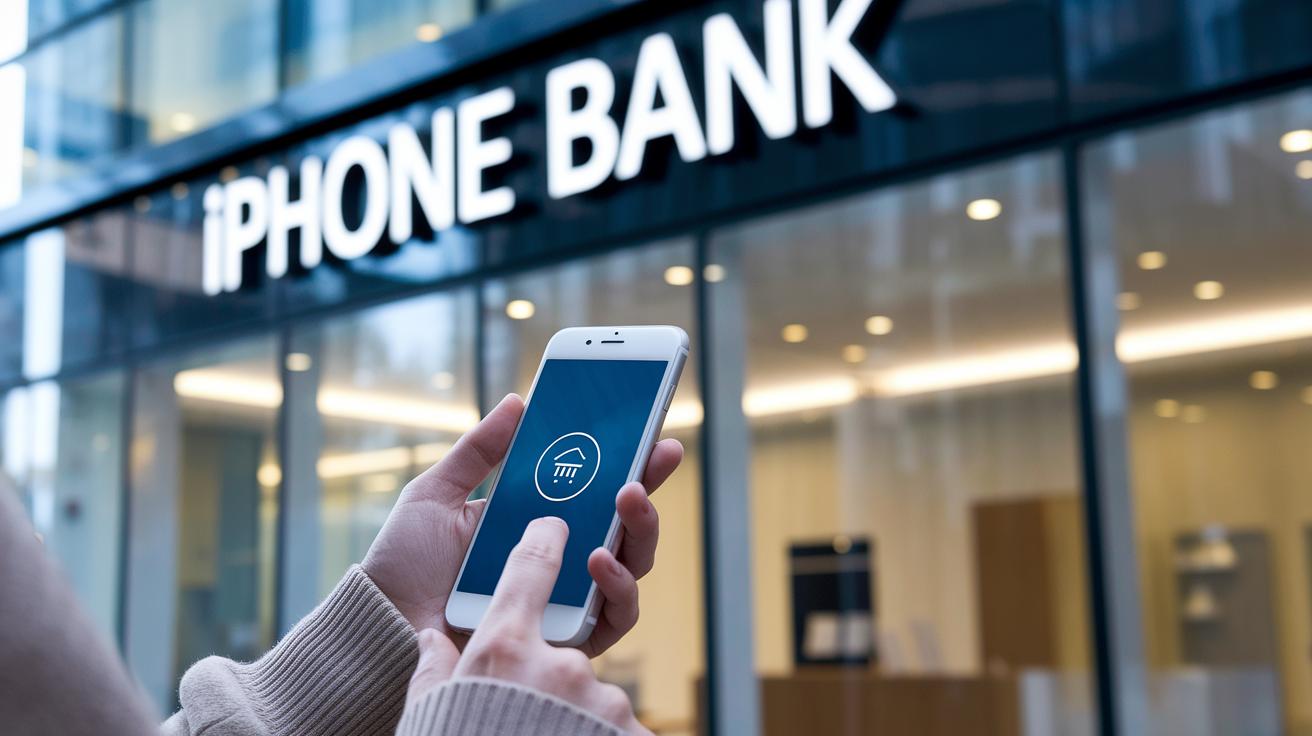
Digital banking platforms have completely reshaped how we bank by lowering costs and simplifying everyday operations. They automate tasks you’d normally do by hand and let you handle your money from anywhere, potentially cutting costs by up to half compared to traditional bank branches. Imagine trading a costly, physical building for the ease of managing your finances with just a few taps on your phone. This change not only saves money but makes banking more efficient and open to everyone.
Mobile wallet use has really taken off, with over 2.6 billion people around the world using them in 2022. Think about the last time you paid for something small using your phone, it's a perfect example of how technology makes your life easier. Peer-to-peer payment services have also grown quickly, handling billions of transactions and providing instant fund transfers with fun social features. This move to mobile-first banking is making it simpler than ever to manage your money on the run.
Next-generation payment processing is stepping up both speed and security. New methods like biometric authentication (using your fingerprint to prove who you are) create a smooth, secure checkout experience, keeping fraud at bay. Picture a quick fingerprint scan that acts like a digital key, instantly unlocking a protected door. This boost in online payment security builds trust and makes everyday transactions more seamless.
Strengthening Cybersecurity Measures and RegTech Advancements in Fintech Innovation

Fintech companies often struggle with following strict rules and keeping sensitive information safe. Many now put money into tools that watch digital transactions in real time. This approach helps protect customer data and stops unwanted access. With so much compliance data to manage, smart and reliable tech is more important than ever.
AI-powered RegTech platforms are really changing how banks and other institutions work with large, messy piles of data. These systems use smart computer programs and big data (big data means a huge collection of information) to quickly catch mistakes or signs of breaches. This fast checking lets companies respond quickly, cut down delays, and build trust with every transaction.
Tools like biometric checks, such as fingerprint scans, are a big part of keeping online transactions secure by making sure people are who they say they are. Open Banking rules make it clear that strong security measures are a must for protecting personal data. For more details on a solid compliance plan, you can check out the crypto regulatory framework at https://cfxmagazine.com?p=36208.
Fintech Startups and Disruptive Business Models Shaping Modern Finance

Fintech startups are changing the game for traditional banks by bringing fresh ideas to how we handle money. Many old-school banks are partnering with these innovative companies because 85% believe that fintech tools are essential to stay in the race. In simple terms, these new technologies (like quicker transactions and easier account management) are making the old ways seem outdated.
New business models from these startups are all about being quick and putting the customer first. Imagine a small, nimble boat taking on a huge ocean liner, small companies offering smart, flexible solutions disrupt the slower, more traditional methods. This shift means better, more personal financial products and improved experiences for everyone.
The rise of neobanks is a clear sign of this change. Neobanks are digital banks without physical branches that come with lower fees and user-friendly apps. In 2022, over 20 million neobank accounts opened in Europe, showing that many people prefer a simpler, tech-driven banking experience. This trend tells us that customers are ready for banking that’s fast and accessible, all without walking into a branch.
Then there are alternative lending platforms that connect individual investors directly with borrowers, a method called peer-to-peer finance (where people lend money to each other without a bank in the middle). This approach often leads to better loan terms and higher returns for investors by cutting out traditional middlemen. Real-world examples include award-winning white-label cloud banking platforms and innovative Open Banking models in regions like MENA. These tools are putting disruptive ideas into practice, reshaping finance in a very human and relatable way.
Final Words
In the action, the article highlighted key trends, from blockchain and smart contracts to AI-driven insights and digital banking shifts, that are reshaping today’s market. It shared how digital payments, secure platforms, and agile startups power smarter investment decisions. Every piece contributes to a clearer picture of fintech innovation in modern finance. These insights make building a robust digital asset portfolio more accessible and secure. The future looks bright, encouraging investors to stay agile and embrace the next wave of financial transformation.
