
Have you ever thought about using one app for everything money-related? Embedded finance is making that possible by mixing together payment, loan, and insurance features right into apps you use every day.
Imagine checking your account balance and then paying a bill in just a few taps. It used to be a clunky process, but now it feels smooth and intuitive. This smart change is giving us a quicker and easier way to handle our finances.
Embedded Finance Empowers Smart Integration

Embedded finance means adding money services, like payments, loans, insurance, and investments, right into apps you already use. This lets you carry out financial tasks in the same app without switching over, like a smartphone app that puts your spare change to work by investing it automatically.
At first, this technology was just about storing credit card details on payment gateways. Now, it has grown into many cool services such as issuing cards, digital loans, and quick money transfers by FinTech experts. In short, what started as a simple way to manage payments has turned into a full range of financial tools built directly into everyday apps, making transactions both faster and easier.
Recent figures from McKinsey show that banks now use 20% of their digital links with outside companies. And they expect that number to double by 2025. This rapid pace shows just how fast these integrated services are changing the way we handle money. It creates a better, more connected experience for consumers and opens the door for businesses to find new ways to earn revenue.
In everyday life, embedded finance blends digital innovation with trusted money services. It makes handling your money smooth and simple, just like chatting with a friend who really understands both tech and finance.
API-Powered Embedded Finance Technology
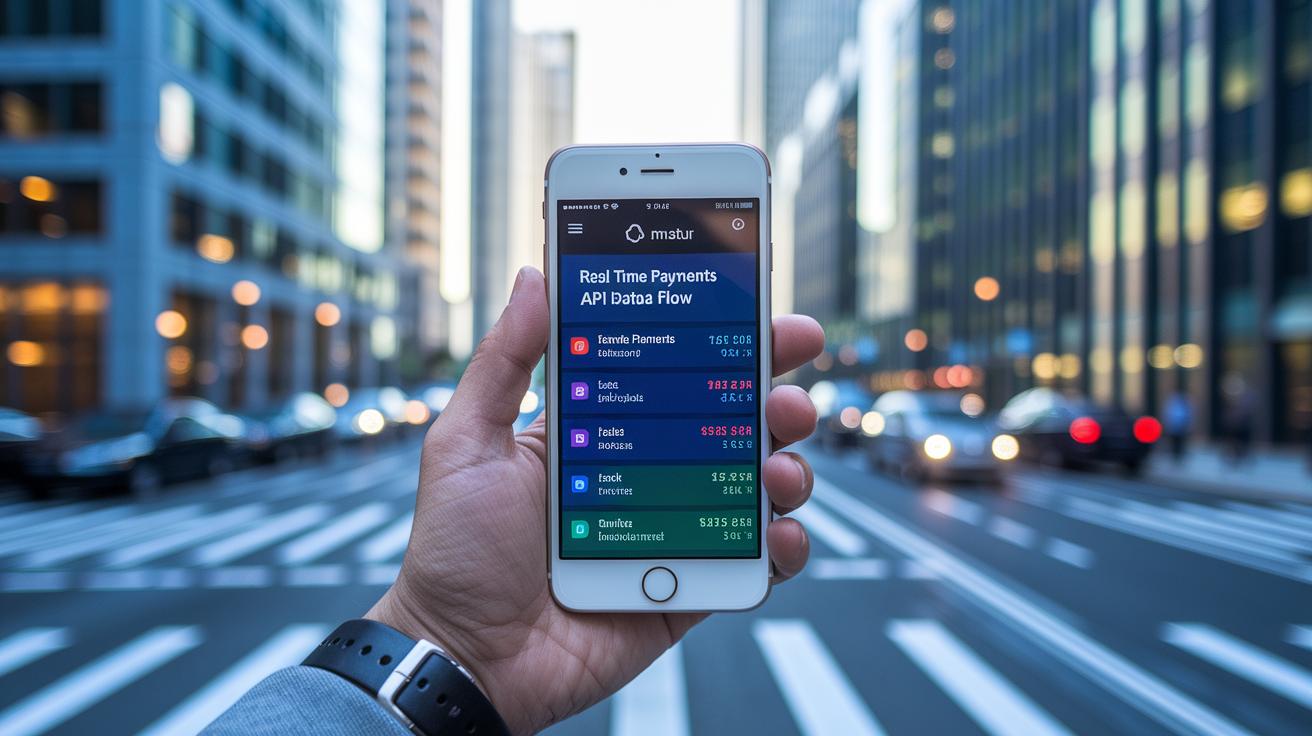
Banks and digital platforms are joining forces using solid, financial-grade APIs. These tools let companies build custom services that chat with each other in real time. In simple terms, a bank’s API connection makes data flow smoothly between banks and apps that aren’t strictly financial. It turns a clunky old process into one smooth ride. Think of it like this: a $100,000 payment happening almost instantly, much like a heartbeat keeping perfect time.
Real-time settlement networks, like RTP®, FedNow, SEPA Instant, Interac Instant, and even stablecoin rails, are making delays a thing of the past. These systems help manage risks while speeding up transactions. They work with over 150 different currencies and back more than 720 alternative payment methods. In some regions, they even handle transactions of up to £1,000,000. Open banking is tying all these pieces together, offering a single, secure financial interface. Whether you’re buying a small item or handling a high-value deal, the whole process becomes streamlined and safe.
In short, using this technology doesn’t just make payments smoother. It also opens the door for exciting digital finance innovations. By linking API-powered payments with bank connections and open banking, we’re reshaping how money moves. It’s a modern, agile system built to keep up with today’s fast-paced world.
Embedded Payments and In-App Banking Services

Embedded payments and in-app banking services open up a new way to handle money quickly. Ridesharing apps show this by cutting out cash or card swipes, making each ride a simple money move. Imagine booking a ride and paying with one smooth tap, it's as easy as ordering your favorite snack online.
This clever setup supports more than 700 payment methods, like digital cards and co-branded physical cards. It's like having a mini bank right in your app. You get deposit accounts, credit card services, direct transfers between accounts, and real-time tools that spot fraudulent activity, all designed to help both individuals and businesses cut out extra fees.
The service reaches over 200 markets and offers local payment options in 50 regions. So whether you're grabbing a coffee at a local café or making a major business transfer, it’s built to work globally.
Here’s an interesting fact: When your everyday app processes over 700 payment methods seamlessly, it’s not just moving money; it's reshaping how we think about digital finance. Want to see how digital finance is shifting to platform-focused models? Click here to learn more.
In short, switching to a fully integrated in-app service turns everyday transactions into something that's simple, secure, and easy for everyone.
Embedded Lending Models and Financing Solutions

Embedded lending is changing the way people shop and do business. Buy Now, Pay Later options from companies like Klarna and AfterPay help buyers pay for items in small chunks right at checkout. This makes purchases easier for shoppers and helps businesses sell more at once.
Microloans are also built into online marketplaces. Imagine a small business owner who gets a quick loan right during checkout to pay for a new order. This speed boosts sales and lets businesses act fast without waiting for traditional bank approvals.
Partners are seeing new ways to earn money by adding financing offers into the buying process. Every transaction becomes a chance to offer flexible credit, which means customers can spend more comfortably and merchants enjoy better sales and higher order totals.
In short, embedded lending mixes smart technology with everyday money management. It gives both buyers and sellers more power over their cash flow, making daily purchases and business operations smoother and more efficient.
Embedded Insurance and Investment Options

Imagine booking a flight and, with one quick tap, adding travel insurance or having your purchase automatically round up so spare change goes toward an investment. Embedded insurance and investment options blend useful services right into the apps you already use, making financial decisions feel as simple as checking your messages.
Recent estimates say that by 2030, as much as 20% of U.S. auto-insurance premiums – around $50 billion – might pass through these built-in channels. In other words, everyday spending could soon come with hidden insurance benefits. Think of a rideshare app that automatically turns on accident coverage when you book your ride.
Apps like Acorn show us how easy this can be. Their round-up and invest feature quietly turns your loose coins into investment dollars, building your portfolio without you having to even think about it. It’s like watching a steady flow of cash work for you with every small purchase.
Some platforms are now offering insurance add-ons, like travel protection, together with investment portfolios you can easily customize. This smart mixing not only holds users’ attention but also creates new revenue streams for apps that aren’t just about finance.
Ever notice how a simple tap could secure both your journey and your financial future? This blend of insurance and investment makes your app experience more engaging and gives you a little extra peace of mind every day.
Benefits and Challenges of Embedded Finance Integration

Customers get a smooth ride with embedded finance. Transactions feel almost seamless, and providers can reach a broader audience while creating new streams of revenue. With this approach, everyday financial tasks get automated, cutting out the hassle of multiple logins and redirects. For instance, a system might offer one dashboard that provides eight times the usual transaction details, helping speed up tasks like balancing accounts and financial planning.
Providers also enjoy the perks of advanced fraud prevention. Techniques like 3D Secure (a method that makes online payments safer) and smart-retry logic (automatically retrying failed transactions) can boost approval rates by about 3.5 percentage points. These smart strategies layer extra security and help ensure that every transaction is both quick and secure.
But it’s not all smooth sailing. There are challenges too. Coordinating different tech systems and managing increased backend work can be tough. Blending systems from established banks with new digital platforms means you have to plan carefully and keep a close eye on things. In short, while modern banking is on a promising path, it takes focused effort to keep everything running smoothly and maintain customer trust.
Some developers even say integrating these services is like building a well-tuned machine, every part needs to work perfectly together.
Implementing Embedded Finance: Strategies and Regulatory Considerations

Embedded finance is like weaving money matters into everyday apps, whether you're shopping online or booking a trip. FinTech companies offer scalable white-label APIs (ready-made tools you can brand as your own), and traditional banks are joining in by partnering with tech firms or licensing their systems. This teamwork means services across different platforms can handle payments, accounts, and credit options right inside the app.
Designing these integrations is all about smooth, behind-the-scenes action. Using Identity Access Management (a system that checks who you are and keeps access safe) ensures secure sign-ins and quick transactions. Picture it like a digital doorman who quietly confirms your identity without making you wait.
Staying on top of changing rules is just as important. Developers need to follow guidelines like the Financial Data Access framework, Payment Services Regulation, and PSD2 in Europe. These rules are like a clear playbook for handling data securely and protecting consumers. That’s why regular audits, clear documentation, and flexible strategies are essential when regulations evolve.
In short, a winning embedded finance strategy combines smart partner choices, streamlined workflows, and a strong focus on security. It’s all about enhancing the user experience while keeping everything safe and sound.
Future Trends and Market Outlook for Embedded Finance

Global transactions in embedded finance are expected to grow by 68% by 2028 in rapidly growing regions. Digital finance apps are setting the scene for new fintech ideas, blending everyday services with financial tools. Technologies like blockchain settlements (secure methods for confirming transactions) and AI-driven credit decisions (using advanced computer programs to decide on loans) are leading changes in digital banking. Think of it like a mobile app that quickly switches your regular money to crypto, making financial deals both fast and smooth.
New payment methods such as instant fiat-to-crypto switches and stablecoin paths help cut down fees and the need for middlemen. This builds trust and opens up fresh chances especially in developing economies. Fintech innovations are not just about banks anymore; they’re showing up in retail, healthcare, transport, and even social apps.
As more companies adopt these fintech ideas, digital banking is becoming a seamless, unified experience. Apps will increasingly offer a range of financial services, making every payment feel natural and immediate. Imagine using your phone to pay for lunch, and the app quietly checks if you’re eligible for a small discount loan right then and there. This clear example hints at the many possibilities ahead. With steady advances in payment tech and digital finance platforms, we’re looking at a future where secure, smooth transactions become the everyday norm.
Final Words
In the action, embedded finance is reshaping how payments, lending, and investments merge with everyday platforms. This post walked through secure API technology, highlighting its role in powering integrated payment systems, in-app banking, lending models, and insurance options. We explored the benefits and the challenges of these financial innovations, as well as the emerging trends set to drive digital finance forward. It's a dynamic landscape that encourages smart, forward-thinking investment strategies. Embrace the future with confidence and keep your digital asset portfolio growing.
FAQ
What are embedded finance examples?
The embedded finance examples include integrating payments within ridesharing apps, offering buy-now-pay-later options, and adding insurance or investment features directly to non-financial platforms to enhance user experiences.
Which companies offer embedded finance?
The embedded finance companies range from specialized fintech firms to traditional banks partnering with tech providers, offering services like card issuing, lending, and in-app banking via secure, financial-grade APIs.
How does embedded finance work in banking?
The embedded finance in banking works by integrating financial services into everyday platforms, allowing banks to extend their service reach through APIs, thus providing more convenient and streamlined banking solutions.
How does Stripe use embedded finance?
The embedded finance in Stripe involves using API tools to integrate payment processing, lending, and card services directly into merchant systems, making financial transactions more efficient and user-friendly.
What distinguishes embedded finance from banking-as-a-service?
The embedded finance vs banking-as-a-service difference lies in the integration; embedded finance embeds financial tools in non-financial platforms, while banking-as-a-service equips banks to offer full-scale digital banking services.
What is another name for embedded finance?
The embedded finance is also known as integrated financial services, referring to the seamless inclusion of financial products like payments, lending, and investments within everyday digital platforms.
Is Venmo an example of embedded finance?
The embedded finance concept in apps like Venmo involves integrating peer-to-peer payment systems into a mobile platform, allowing users to send money and manage transactions without relying solely on traditional bank interfaces.
What do unit embedded finance and embedded credit mean?
The unit embedded finance refers to specific financial functionalities built into platforms, such as embedded credit offerings that allow instant credit decisions and smoother transaction experiences for users.
How does open finance fit into embedded finance?
The open finance in embedded finance context means securely sharing customer financial data through open APIs, enabling third-party platforms to offer personalized banking, lending, and payment solutions.
