
Ever noticed how you can manage money right from your phone? It’s not just a passing phase but a real shift in how we handle cash and investments. Digital finance mixes old methods like traditional banking with new tools such as mobile payments and cryptocurrencies (digital coins that act like cash). This mix makes everyday transactions faster and easier.
Smart technology and faster networks now let you access financial services from almost anywhere. This rising tide in Fintech may soon change the way you bank, making your everyday money moves smoother and more convenient.
Evolution of Digital Finance Landscape

Digital finance is all about using online tools to handle money matters. It blends old-school methods like banks and cash with new ways of paying, such as mobile payments, cryptocurrencies (digital coins that serve as money), and card machines. This mix makes financial services easier and quicker for everyone.
At its heart, digital finance includes everyday services like online banking and mobile payments. These services ride on advancements in things like mobile connectivity, cloud computing (storing and accessing data online), software as a service (renting software), and artificial intelligence (smart technology that learns from data). Together, these tools speed up transactions, sharpen data analysis, and even offer personal money advice. And yes, there’s a push to keep everything safe and regulated, so even standards like open banking rules can evolve with these ideas.
- Online and mobile banking let you manage your money wherever you are.
- Mobile wallets offer quick, contactless ways to pay for everyday things.
- Electronic payment systems, such as card machines, help speed up shopping in stores.
- Robo-advisors use smart algorithms to guide your investment choices.
- Cryptocurrencies run on blockchain technology, which is a secure, digital ledger that keeps transactions safe.
In short, digital finance uses modern tools to improve how we handle money, while FinTech shakes up old ways of doing banking to offer truly innovative services.
Technologies Shaping Digital Finance

Digital finance today is built on some really cool technologies that change the way we handle money. Mobile connectivity and 5G let you check your account and make payments on the go, almost like carrying your bank in your pocket. Cloud computing and SaaS (software as a service, which means renting software online) help create banking platforms that anyone can access from anywhere in the world.
Then there’s AI and machine learning. These tools offer personalized tips and help spot fraud so your money is safer. And blockchain (a digital ledger that records transactions securely) not only protects your transactions, but can even run agreements automatically through smart contracts. APIs and open-banking protocols, which allow different systems to talk to each other, mix in third-party services to complete this picture, making digital banking smooth and interconnected.
| Technology | Application in Digital Finance | Key Benefit |
|---|---|---|
| Mobile Connectivity & 5G | Lets you access accounts and make real-time payments from anywhere | Quick access and ease of use |
| Cloud Computing & SaaS | Supports banking platforms that serve users worldwide | Better efficiency and global reach |
| AI & Machine Learning | Provides custom tips and helps catch fraud | Improved safety and personalized service |
| Blockchain | Secures transactions and runs smart contracts automatically | Less middlemen and stronger security |
| APIs & Open-Banking Protocols | Connects different services for smooth data sharing | More features and a well-connected service network |
Together, these tech tools are reshaping banking with faster service, better security, and greater access. The mix of mobile, cloud, AI, blockchain, and APIs not only creates personalized financial experiences but also builds a robust digital finance world that keeps pushing the limits of modern banking.
Digital Finance vs Traditional Financial Services

Digital finance makes money moves that used to take days happen in seconds. It cuts down costs and boosts how smoothly things run. You know, with cloud-based systems, you're seeing real-time data that really helps tailor services and keep an eye on risks. Plus, with automated trading and even buying tiny slices of shares, more people can jump into the market. It’s a game-changer for how we handle our cash every day.
Traditional banks and financial firms usually stick to old-school methods that slow you down and charge more. They rely on slower processes and tougher fees, which can leave everyday users feeling boxed out. On the flip side, digital finance brings smart tech into the mix. It automates many tasks and opens up fast, tech-driven markets that change how we manage our assets and invest our money. In short, it’s turning financial decisions into a modern, accessible experience.
| Aspect | Digital Finance | Traditional Services |
|---|---|---|
| Speed | Transactions in seconds | Transactions can take days |
| Cost | Lower fees | Higher operational costs |
| Accessibility | Wider user reach online | Limited physical branches |
| Personalization | Services based on real-time data | Often generic, one-size-fits-all solutions |
| Analytics | Continuous monitoring for better choices | Less frequent data checks |
| Asset Access | Fractional shares open the market for all | Restricted entry into capital markets |
Digital Finance Ignites Fintech Momentum
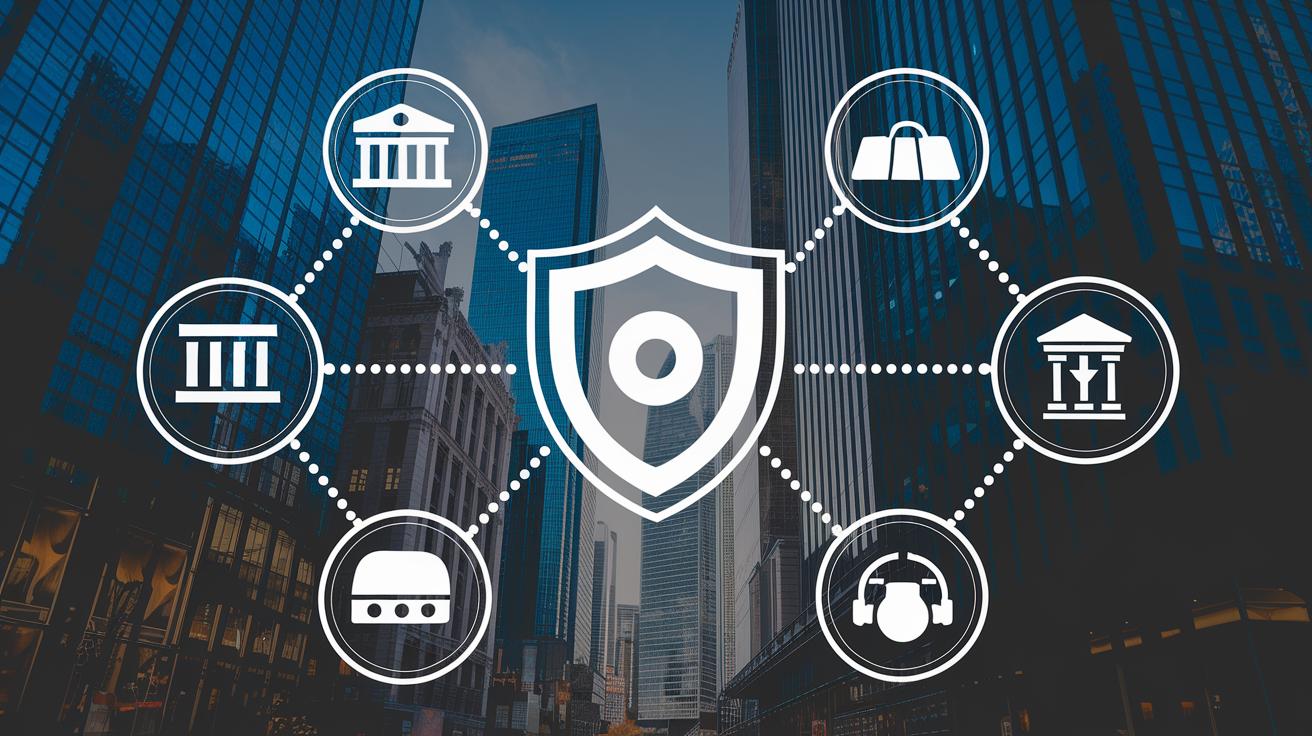
Global rules like PSD2 and Open Banking have changed how data moves in digital finance. These standards require banks and financial services to use safe methods (like APIs, which let software share data securely) to transfer your information. Think of it as a digital bridge that keeps your details safe as they travel between platforms. This clear setup builds trust and makes sure every transaction follows strict guidelines.
As digital finance expands, keeping data secure is more important than ever. Banks and platforms face challenges from hackers, fraud, and new cyber threats. They use layered defenses and constant monitoring, like a team of vigilant guards, to protect sensitive information. Past events show us how quickly bad actors can strike, reminding us that security measures need regular updates to stay effective.
| Feature | Description |
|---|---|
| Automated ID & AML Checks | Automatic identity and anti-money-laundering checks reduce manual work while keeping risks low. |
| Real-Time Fraud Monitoring | Systems that watch for unusual activity 24/7, ensuring every suspicious move is noted. |
| Digital-Asset Auditing | Auditing tools that verify every transaction meets the required rules and standards. |
| Automated Reporting Platforms | Tools that streamline compliance and simplify risk assessments with automated reporting. |
Together, these strong data-sharing rules and active cybersecurity measures lay the groundwork for a safe digital finance world, one that truly sparks the energy and drive of fintech.
Digital Finance Case Studies

Online Lending Platforms
Online lending platforms now use smart scoring systems to make decisions in under 10 minutes instead of 72 hours. They lean on artificial intelligence (a computer program that learns from data) to check creditworthiness quickly. This means lenders can decide faster in our fast-paced market. But, they still need to be careful, ensuring data stays accurate and managing the risks that come with these quick, automated choices.
Mobile Wallet Adoption
Mobile wallet solutions like M-Pesa bring banking to people who never had access before. By using mobile tech (phones that connect you to finance easily), these platforms have helped about 40% of Kenya’s population who were once unbanked. The speed and simplicity of mobile transactions let users pay in an instant. Still, there are challenges, such as keeping personal information secure and building stronger digital networks in less developed areas.
Robo-Advisors
Robo-advisors use computer algorithms to manage investments at very low costs , sometimes as little as 0.25% of the assets. These digital helpers gather loads of data to give personalized advice and make automatic tweaks to portfolios, making investing easier for many. They have won over younger investors with their friendly interfaces and affordable fees. Yet, they must handle market ups and downs and ensure that automatic advice keeps pace with human insight when the market moves fast.
- Online lending: Quick decisions with smart AI scoring.
- Mobile wallets: More people gain access to financial services.
- Robo-advisors: Lower fees make investing more accessible.
Future Trends in Digital Finance

Digital finance is about to experience big changes that will shape how teams and companies handle money. Instead of doing tasks by hand, many are switching to automation and touchless methods. This means less time on routine work and more focus on smart ideas. New trends, like sharing asset pieces (asset tokenization, which lets you own a part of an asset) and decentralized finance or DeFi (using technology to run finance without a central middleman), are opening up more ways to work with money and offer more choices for investors. At the same time, tools like AI and machine learning (computer systems that learn and predict based on data) are stepping up to help manage risks and give advice that feels personal. In short, these advances are building a digital finance world that is quicker, smarter with data, and more efficient.
| Trend | Projected Impact |
|---|---|
| Automation & Touchless Interactions | Makes work smoother and shifts focus to smart insights |
| Asset Tokenization & DeFi Models | Offers more options for cash flow and lets you own smaller parts of assets |
| AI/ML-driven Analytics | Helps predict risks and tailors advice to your needs |
| Interoperable Ecosystems | Builds stronger teamwork across different financial services |
Financial institutions need to prepare for these shifts by updating their technology and fine-tuning their operations. They should consider modernizing their IT systems, boosting tech skills among their teams, and setting up flexible systems that can quickly adjust to new trends. With smart planning and careful investment in these innovations, companies can keep pace with changes and meet the growing needs of a lively market.
Final Words
In the action, we examined how digital finance evolved through online banking, mobile payments, and smart technology. The discussion walked through innovative tools and secure strategies that break down barriers between traditional and modern financial methods.
We saw how practical insights and market trends help shape diversified portfolios and risk management techniques. With clear examples and real-world cases, the landscape of digital finance remains both accessible and promising. Positive trends help guide investors toward more informed, confident decisions.
FAQ
What educational resources are available in digital finance?
The digital finance educational resources include online courses, books, journals, and PDFs that offer clear insights into mobile payments, cryptocurrencies, and emerging tech trends in finance.
What does digital finance cryptocurrency refer to?
The digital finance cryptocurrency refers to using virtual coins based on secure digital ledgers, enabling trading, investing, and value storage through tech-driven financial systems.
What defines a digital finance company?
A digital finance company is one that uses modern technology to deliver efficient financial services, such as online banking, digital payments, and mobile wallet solutions that enhance service speed and reach.
What is a digital finance app?
The digital finance app means a mobile or web-based tool that provides fast, secure access to banking, payments, or investment services, making financial management available anytime and anywhere.
What are digital finance jobs?
Digital finance jobs denote roles in tech-savvy financial firms, covering areas like data analysis, software development, digital marketing, and regulatory compliance, all aimed at modernizing how financial services are delivered.
What is digital finance and how does it differ from fintech while offering practical examples of its tools?
The digital finance concept means promoting financial services through online banking and AI, while fintech focuses on disruptive tech innovations. Common tools include mobile wallets, cryptocurrencies, and robo-advisors that boost accessibility and efficiency.
