
Ever wonder if we really need banks today? Decentralized finance turns that old idea on its head. It uses digital records and smart contracts (small pieces of code that act like automated safes) to let you lend, borrow, and trade without the usual bank hassle.
With billions of dollars already managed this way, anyone with internet access can take a smarter approach to handling money. In short, this shift puts real financial power back into your hands.
How Decentralized Finance Works: Definition, Core Technology, and Benefits
Decentralized finance is a new way of doing money business using digital ledgers called blockchains (secure digital records) and smart contracts, which are pieces of computer code designed to follow set rules without a middleman. Think of a smart contract like a digital safe that automatically slips out funds when the right combination is provided.
By April 2022, over $239 billion in assets were tied up in DeFi tools, showing just how much trust and interest there is in this system. It opens the door for anyone with internet access to lend, borrow, trade, or dive into yield farming without involving banks or other intermediaries. Imagine stepping into a bustling marketplace where your digital wallet is your ticket to everything.
At its core, the power of decentralized finance comes from smart contracts that check and complete transactions in real time, along with distributed ledgers that keep a permanent record of every move. This setup brings lower fees and dynamically adjusted interest rates (rates that shift based on supply and demand) while giving everyone a clear look at every transaction happening, much like watching a live feed of market moves.
In short, decentralized finance transforms how we manage our money by cutting out traditional barriers. With open access, automatic operations, and the potential for better returns, it helps you take control of your financial journey with clarity and trust.
Key Components of Decentralized Finance Architecture

Decentralized finance platforms now rely on smart, direct systems that connect people without the need for middlemen. Some of these platforms use reward-based liquidity pools, where self-running smart contracts (computer programs that automatically handle transactions and rules) keep everything balanced. Think of it like a vending machine that checks each coin before giving you your snack. One platform even uses a tool called a protocol oracle (a service that brings trusted outside data onto the blockchain) to solve data problems.
Smart contracts now include extra safety checks to fix design issues. Picture setting a timer on your coffee maker that also makes sure the water is the right temperature. These extra steps help make trades both safe and smooth.
Every transaction is recorded in distributed ledgers (digital records that capture every transaction clearly), so there’s no need for a middleman. Some systems even let everyone in the network confirm transactions in real time, much like neighbors keeping an eye on each other to keep things safe.
| Improvement | Description |
|---|---|
| P2P Incentives | Encourages more liquidity by rewarding participants. |
| Smart Contracts | Use multi-step checks to ensure safe and efficient trades. |
| Distributed Ledgers | Offer clear, real-time records of every transaction. |
| External Data Oracles | Bring trusted off-chain data into the system. |
These improvements give us a fresh look at how decentralized finance is growing, using practical examples and clever tech to boost security and transparency.
Major Decentralized Finance Use Cases and Platforms

Decentralized finance, or DeFi (making financial services available without traditional banks), has changed how people handle money. Projects like Compound Finance, which started in 2018, let folks lend and borrow directly. They use something called algorithmic interest rates. That means the rates adjust on their own based on supply and demand, sort of like a see-saw that finds its balance. Remember how before this innovation, dealing with banks always meant waiting and paying higher fees? Now, automation makes everything quicker and simpler.
Then there are decentralized exchanges such as Uniswap, also launched in 2018. Uniswap allows users to swap digital tokens without a central broker. It’s as easy as walking into a local market, where anyone can trade freely. And to help manage risk, stablecoins keep their value steady by sticking to familiar assets like the US dollar or gold. This approach keeps the dramatic price swings at bay.
MakerDAO, which has been around since 2015, introduced the DAI stablecoin in 2018. They use collateralization models (where assets serve as a backup to support the token’s value) to keep things stable. Beyond that, the DeFi space is branching out. Derivatives let users bet on the future prices of assets, while yield farming gives a way to earn income by providing liquidity, basically, making your assets work for you. And with prediction markets, like Augur (testing started in 2015 and it went live in 2018), users can even place bets on future events. It’s a whole new way to get involved in the world of finance.
These platforms show how DeFi brings fresh ideas to money management. By cutting out traditional middlemen, services become more efficient, more open worldwide, and give users real control over their financial futures. Isn’t it exciting to see finance evolve this way?
Evaluating Risks and Security in Decentralized Finance
Decentralized finance breaks traditional rules by letting you manage assets on your own, but it brings its own challenges. Market ups and downs can make asset values swing a lot, which sometimes leads to unexpected losses, especially when you’re into yield farming (earning rewards from your crypto investments). Smart contracts (self-running agreements written in code) might have bugs in them, leaving doorways open for hackers. If you want to dive deeper, check out the risks of smart contracts here: https://cfxmagazine.com?p=35657.
Protocols here work on a trustless system, that means you don’t need a central boss to verify transactions, but it’s still important to keep a close eye on contract vulnerabilities. Regular checks and audits help spot any weak points before they turn into big problems. Plus, strict rules on collateral and built-in insurance act like safety nets when prices jump or drop suddenly. And yes, unpredictable Ethereum gas fees can surprise you by making simple transactions more costly than expected.
Developers are always on their toes, building in extra safety measures and robust checks to keep users protected. By focusing on these improvements, the decentralized finance world strives to create a secure and open space. In short, they want you to handle your digital assets with full knowledge of both the risks and the safety measures in place.
Decentralized finance: Empowering a Bold Future

Decentralized finance is changing the game for how we use money. It breaks free from old banking rules and opens doors for people who were often left out. Think of a small business owner in a remote area getting an instant loan through a blockchain platform (a secure digital ledger that keeps records safe). It’s like turning days of waiting into just minutes.
Emerging trends show that rules are keeping pace with this fast-moving world. Regulators are testing more flexible guidelines that match the quick pulse of digital transactions. These new rule sets could soon spread around the world, helping fresh ideas take root while keeping risky behavior in check.
Real-world examples tell us how decentralized finance is reshaping old systems. One standout case is blockchain-powered microfinance that directly links investors with entrepreneurs. This change not only speeds up money transfers but also makes it fairer for more people to get access to capital.
| Trend | Description |
|---|---|
| Global Financial Inclusion | Bringing digital banking services to people without access to traditional banks. |
| Regulatory Innovation | Creating new rules that balance fast digital transactions with proper checks and balances. |
| Blockchain Case Studies | Practical examples where decentralized systems improve access to funds. |
In short, decentralized finance is more than just removing middlemen. It’s rewriting the way we think about who gets access to financial services and how they are managed.
Getting Started with Decentralized Finance: A Beginner’s Guide
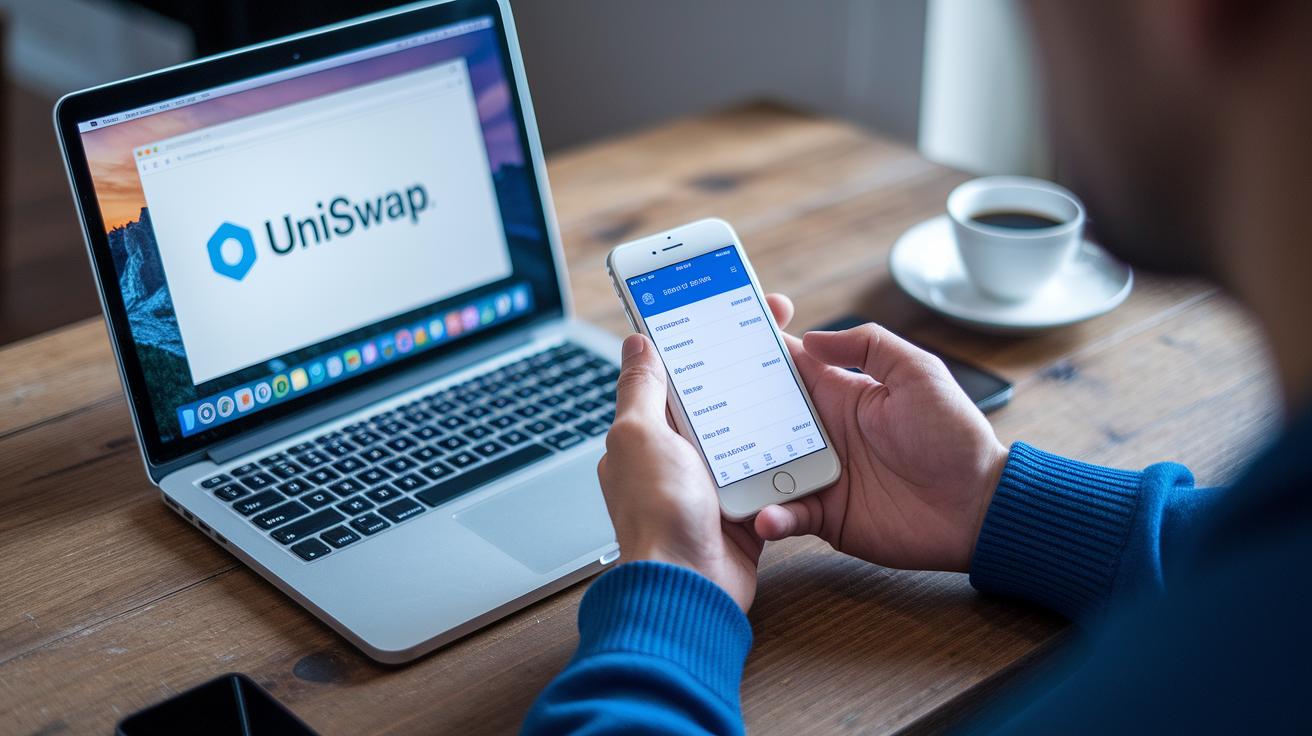
First, set up your digital wallet. Think of it like the app on your phone that keeps your digital money safe and helps you use cool finance apps. Start with small amounts and save your recovery phrase in a secure spot, this is the secret key to your wallet.
Next, try out platforms like Uniswap and SushiSwap. These are automated market makers, which means you can swap tokens and add liquidity without needing a cashier. Imagine it as a mini self-service store where you pick what you want and trade it on the spot. It’s a fun and easy way to see how your money moves around in digital pools, and you’ll notice that fees and prices change as more people join in.
If you’re feeling adventurous and want your assets to work for you, explore staking, yield farming, and lending. Staking is a bit like putting money in a savings account that slowly grows over time with interest. Yield farming lets you earn rewards by keeping the system running smoothly, much like helping out at a community event. Lending works similarly to giving someone a small loan, with smart contracts automatically handling the repayment details.
Be careful when choosing collateral, which is like the deposit you might give for renting something. Also, keep an eye on network fees (often called gas fees); they can take a bite out of your earnings if they’re too high. And don’t forget to use wallet protection methods, like two-factor authentication or a hardware wallet, to keep your funds extra secure.
For more insight into project details and risk levels, check out
investment analysis techniques.
Learning about decentralized finance is a bit like putting together your favorite meal: pick the best ingredients, follow one simple step at a time, and enjoy watching your portfolio grow.
Emerging Trends and the Future of Decentralized Finance

The future of finance is taking shape right before our eyes. New tools are making it easier than ever to manage money, and one of the coolest is the cross-chain bridge. Think of it like a digital courier that quickly carries your assets from one network to another. This nifty tool lets investors move tokens without needing a middleman like a centralized exchange. And with a blockchain transaction tracker (a tool that lets you see these transfers as they happen, keeping things clear and secure), you'll always know what's going on.
Next up are governance tokens, which are changing the way decisions are made. These tokens give everyone a chance to vote on important changes, much like a friendly community meeting where every voice counts. With this approach, token holders become active stewards of the system, helping to shape its future.
Then there are the next-generation scalability solutions, including layer-2 integrations. Picture adding extra lanes to a busy highway so cars can flow more smoothly. These improvements are designed to ease network congestion and lower transaction fees, paving the way for a faster and more connected financial world.
In short, decentralized finance is evolving into a dynamic, community-driven space. With innovative tools and shared decision-making, we're stepping into a future where managing money is simpler, faster, and more secure. Isn't it exciting to think about where this pace of change might lead us next?
Final Words
In the action, we walked through how digital asset growth thrives on innovative tech like smart contracts and distributed ledgers. We traced the core components powering peer-to-peer systems and the real-world uses of leading platforms. We also weighed market risks and security in a fast-moving space. These insights show that building a strong portfolio can truly benefit from the potential of decentralized finance. Embrace the future with confidence and keep exploring fresh ways to boost your investment strategy.
FAQ
What are decentralized finance companies?
The decentralized finance companies are firms that build blockchain-based platforms using smart contracts to offer services such as lending, borrowing, and trading without traditional middlemen.
What can I find on decentralized finance Reddit?
The decentralized finance Reddit community offers a forum where users exchange market insights, project tips, and personal experiences, making it a helpful resource for learning and staying updated on DeFi trends.
What does decentralized finance crypto refer to?
The decentralized finance crypto refers to digital currencies used within DeFi systems, where blockchain technology and smart contracts enable secure, transparent transactions without centralized oversight.
What are some examples of decentralized finance?
The decentralized finance examples include platforms like Compound Finance, Uniswap, and MakerDAO, which allow users to lend, borrow, swap tokens, and earn returns through algorithmic protocols.
Is there a decentralized finance course available?
The decentralized finance course materials often cover blockchain basics, smart contracts, and yield farming, usually offered online to help newcomers learn DeFi fundamentals in an easy-to-understand format.
Where can I find a decentralized finance PDF?
The decentralized finance PDF documents are typically available on educational or industry websites, providing detailed guides and technical overviews to help you understand DeFi concepts and practices.
What decentralized finance apps are popular?
The decentralized finance apps include wallet services, trading interfaces, and yield farming tools that let you monitor investments, swap tokens, and stake assets directly on blockchain networks without intermediaries.
What are decentralized finance platforms?
The decentralized finance platforms are systems built on distributed ledger technology that use smart contracts and peer-to-peer protocols to execute transactions, offering greater transparency and access to financial services.
Is DeFi a good investment?
The question of whether DeFi is a good investment hinges on your risk tolerance and market conditions, as DeFi offers the potential for high returns along with risks such as smart contract vulnerabilities and market volatility.
What is the difference between DeFi and crypto?
The difference between DeFi and crypto is that DeFi refers to decentralized financial systems built on blockchain technology, while crypto includes the digital currencies used within those platforms and across other applications.
What are the top 5 decentralized coins?
The top 5 decentralized coins often include well-known tokens like Bitcoin and Ethereum, along with others that support DeFi functions, though the rankings can change with market trends and emerging projects.
What is the difference between centralized finance and decentralized finance?
The difference between centralized finance and decentralized finance is that centralized finance relies on banks and intermediaries to manage transactions, while decentralized finance uses blockchain and smart contracts to allow direct peer-to-peer financial interactions.
