Ever wonder why a coin's value goes up or down? Crypto market cap shows you a quick glance at the whole picture by multiplying the coin's price by the amount of coins available. It's like counting all the slices of a pie to know how big it really is. This straightforward math helps investors figure out which coins look steady and which ones might be on the rise. Today, we'll chat about how this key number can help guide smart decisions and drive growth in the crypto world.
Crypto Market Cap Explained: Definition & Calculation
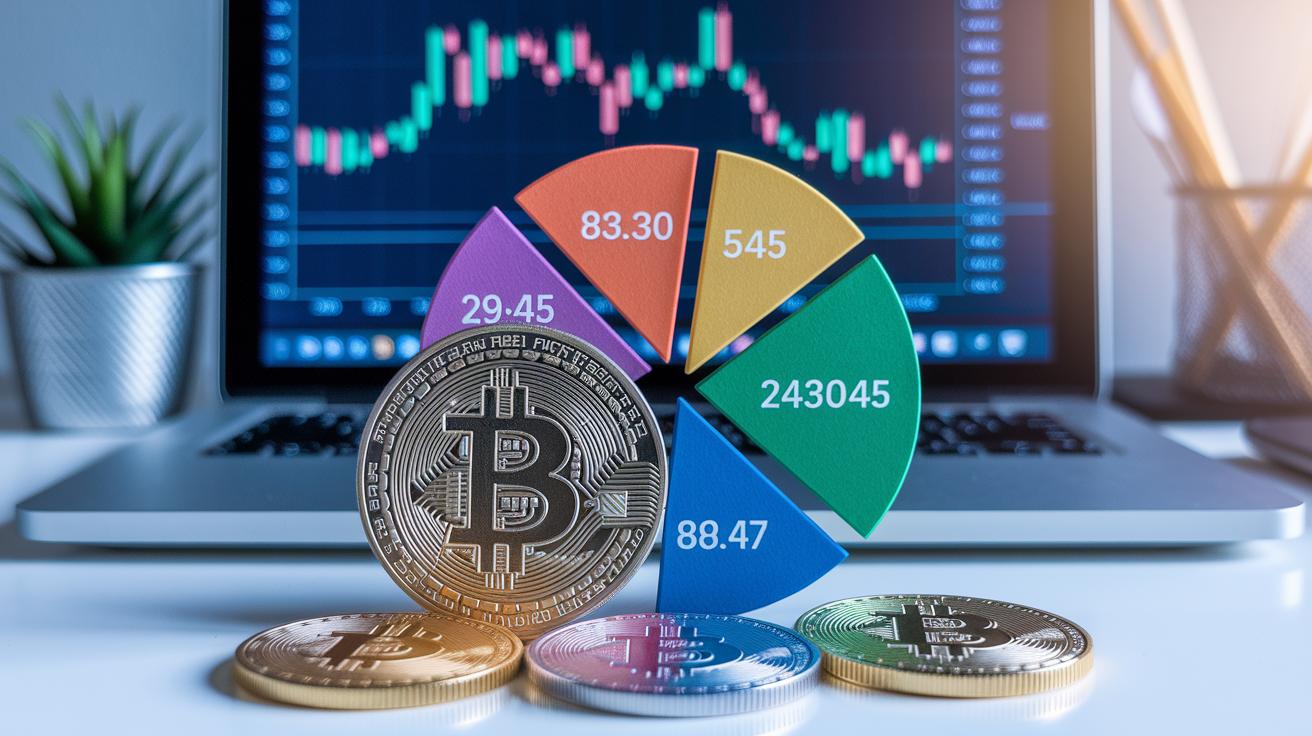
Crypto market cap is simply the total value of a cryptocurrency. It’s like taking a quick snapshot of what a coin is worth today. You figure it out by multiplying the coin’s current price by how many coins are available to trade. Think of it like adding up every slice of a pie to see the full pie size. Ever notice, much like each puzzle piece coming together to form the full picture, every coin adds up to show the coin’s total value?
The math behind it is really straightforward: multiply the price by the circulating supply. For instance, if a coin costs $10 and there are 100,000 coins in circulation, the market cap would be 10 times 100,000, coming to $1,000,000. Imagine it like this, a lemonade stand selling cups of lemonade for $2 each. If it sells 500 cups, that’s $1,000 in total revenue. This simple calculation helps investors quickly gauge a cryptocurrency’s overall worth.
Market cap is a handy tool when comparing coins. Typically, coins with larger market caps tend to be seen as more stable and established. On the other hand, lower market caps might carry more risk, but they could also offer bigger rewards. Investors often use this metric to rank digital assets, kind of like how stocks are valued on the market. In short, it gives you a clear picture to balance potential growth against the risks, guiding smart choices for your portfolio.
Calculating Crypto Market Cap with Real-World Examples

Market cap is a simple idea: you multiply a coin's current price by its circulating supply (the coins in play right now). This little calculation often affects how people feel about investing. When the market cap climbs, it can boost investor confidence, making a coin seem more attractive during market ups and downs.
In choppy times, changes in market cap might hint at shifts in investor mood. For example, steady growth in a coin's market cap might signal that smart investors see long-term value and stability in that coin.
Major cryptocurrencies give us clear examples. Bitcoin, with a market cap of about $800 billion, shows that big institutions and savvy investors back it. Ethereum, around $400 billion, tells us that its network works well and is widely used. And then there's Binance Coin, close to $60 billion, which mixes risk and reward in a way that many investors find appealing.
Recent trends reveal that sharp rises in market cap often come with evolving feelings among traders and busier trading activity, offering a closer look at how digital assets are performing.
| Cryptocurrency | Approx. Market Cap | Investor Implication |
|---|---|---|
| Bitcoin | $800 billion | Signals strong institutional interest |
| Ethereum | $400 billion | Reflects robust network utility |
| Binance Coin | $60 billion | Appeals to investors balancing risk and reward |
Crypto Market Cap: Clear insights for growth

When a coin shows a higher market cap, it’s like a sturdy bridge that has stood strong through many storms. Investors often see this as a sign that the asset is steadier and less likely to bounce wildly. A strong market cap draws more people to invest, which makes trading busier and builds a sense of security that boosts overall confidence.
Market cap gives us a quick look at an asset's strength and helps measure risk. When investors compare different coins, they check each market cap to see which ones might handle market ups and downs better. A larger market cap usually means fewer wild price swings, giving a clearer picture of an asset’s true value. This insight helps both newcomers and seasoned investors decide how much to allocate to these trusted options.
Market cap data also guides investment strategy by marking changes that hint at rising or falling trends. When these numbers start shifting, they can indicate a move toward bullish trends (increased buying interest) or bearish vibes (growing selling pressure), encouraging investors to adjust their portfolios or take advantage of new opportunities. In short, keeping an eye on market cap helps you stay in tune with the steady beat of digital trading.
Comparing Crypto Market Cap Categories: Large, Mid, and Small Caps

When we group cryptocurrencies by their market cap, it’s like sorting teams by size. This simple method helps you quickly see how big each coin is and what kind of risk it might carry. It’s a handy tool to match your comfort level and those sky-high growth dreams you might have.
Large-cap coins have a market cap above $10 billion. They move more steadily and are often seen as a safe bet. Take Bitcoin, for example, it’s like the reliable captain of many portfolios.
Mid-cap coins sit between $1 billion and $10 billion. They mix a bit of risk with promise for growth, making them a solid middle ground. Cardano is one such coin, blending neat tech innovations with a lot of fan support.
Small-cap coins are those with a market cap under $1 billion. They can jump around a lot more, which might sound risky, but sometimes that volatility brings high rewards for those who don't mind a bit of a rollercoaster ride.
Think of building your portfolio like crafting a favorite meal. Large-cap coins give you a sturdy base, mid-caps add a dash of spice and growth potential, and small-caps can surprise you with flavor if trends catch on. Spreading your investments between these types can create a nice balance of caution and opportunity, making it easier to ride the ups and downs of the crypto market.
Limitations of Crypto Market Cap as a Metric

Market cap gives you a quick look at a coin’s value, but it can be tricky when trading activity is low. For example, a coin that isn’t traded much might seem steady on paper, yet its price can swing quickly during actual trades. And sometimes a handful of large transactions or coordinated trading efforts can tilt the numbers. So, if you only rely on market cap to judge a coin’s health, you might not be seeing the whole picture. When there isn’t much trading, market cap can seem higher than it truly is, as explained in the volume analysis crypto link.
Another point to remember is that market cap often misses the difference between total supply and what’s actually available for trading. A coin might show a large total supply, but if most of it isn’t circulating, the market cap might overstate how liquid and active it really is. This can give investors a false sense of security, which is why it’s wise to look deeper than just the market cap when evaluating digital assets.
Historical Trends & Forecasts in Crypto Market Cap

When you look back, the crypto market has gone through wild ups and downs. Remember the big surges in 2017 and 2021 when digital money had everyone talking? Those high points came from a rush of eager investors and a lot of risk-taking, only to settle down later as caution crept back in.
Using time-series analysis is a handy way to watch these patterns over time. Forecast models check out things like how fast people start using a coin (adoption rate), changes in the token supply, and the overall mood of the global economy. Experts often compare coin growth to a tide that rises steadily and then gently recedes. This blend of past trends and smart numbers gives investors a clear roadmap for making decisions.
Looking ahead, a few big factors will shape where the crypto market goes next. Advances in technology, new regulations, and shifts in market sentiment all play a part in setting digital asset values. More people are getting on board with blockchain, and scheduled coin releases can shift prices dramatically. When you mix these with broader economic trends, you might see cycles similar to those we've seen before, with bursts of enthusiasm and moments of correction. It’s a mix that brings both hope and a reminder to stay alert.
Tools & Charts for Tracking Crypto Market Cap

Visual trackers let you watch the heartbeat of the market in real time. These tools pull live numbers from many exchanges, turning raw data into neat charts and graphs that tell a clear story. They help you notice small changes early on so you can adapt your plan as the market shifts.
Using these visuals is like having a friendly guide. You can see patterns and make smart choices by comparing data across different platforms. Custom charts and key signals break down complex numbers into simple insights, making it easier to follow price changes and trends.
| Tool Name | Key Feature | URL |
|---|---|---|
| CoinMarketCap | Real-time cap figures | https://coinmarketcap.com |
| CoinGecko | Comprehensive asset analysis | https://coingecko.com |
| Blockchain Explorer | Detailed blockchain information | https://blockchain.com/explorer |
By checking several sources, you reduce the risk of missing an important trend. In short, keeping an eye on these visuals transforms confusing numbers into clear, actionable insights.
Final Words
In the action, this article broke down crypto market cap basics from its definition to real-world examples. We walked through the multiplication formula and how it shapes coin evaluations, while also discussing its role in risk and strategy planning. A look at historical trends and top tracking tools helped bring clarity to potential market shifts. With these insights, you can feel more confident making informed decisions in digital finance. Embrace your next steps in building a robust digital asset portfolio and keep a positive outlook.
FAQ
Cryptocurrency market today
The cryptocurrency market today includes a mix of digital coins with values changing in real time. This live data helps investors see trends, compare assets, and gain insights into overall market health.
Crypto market cap chart
The crypto market cap chart displays cryptocurrencies ranked by their total market values. It offers a clear snapshot for comparing asset sizes, market trends, and investor confidence.
Crypto market cap in 2030
The crypto market cap in 2030 is forecasted using current trends, adoption rates, and token supply changes. Projections vary, and expert analysis alongside reliable charts is needed to grasp potential future values.
Crypto market cap ranking
The crypto market cap ranking sorts cryptocurrencies based on their current market value. This ranking helps investors compare asset size easily and make better-informed decisions about risk and potential growth.
Crypto market cap app
The crypto market cap app provides real-time updates, charts, and data aggregated from multiple exchanges. It serves as a handy tool for tracking trends and evaluating digital asset performance on the go.
Crypto market cap PI
The crypto market cap PI often refers to a specialized index that measures overall digital asset performance. It aggregates data into a single metric that helps investors understand market trends quickly.
Crypto market cap News
The crypto market cap News covers updates on market value changes, regulatory shifts, and emerging trends. It keeps investors informed with timely analysis on the overall health and direction of digital assets.
What is the market cap of crypto?
The market cap of crypto is calculated by multiplying a coin’s current price by its circulating supply. This figure offers a snapshot of its total value and helps rank digital assets for investors.
Which crypto will give 1000x in 2025?
The idea that a specific crypto will provide 1000x returns in 2025 is highly speculative. Investors should review market trends, cap data, and expert analysis when considering such bold predictions.
What is the crypto market cap prediction for 2025?
The crypto market cap prediction for 2025 is based on current trends and historical data. Forecasts vary, so investors need to combine multiple analyses to develop a sound perspective.
Why is crypto going up?
Crypto prices are rising partly because of increased investor confidence and adoption. Shifts in market cap, positive news, and growing usage contribute to the upward trends seen in digital assets.
Gecko Labs
Gecko Labs is known for its work in digital asset management and blockchain solutions. They provide tools and research that assist investors in tracking market trends and understanding cap changes.
Cointelegraph
Cointelegraph is recognized for its up-to-date reports and analysis on cryptocurrency news. It keeps investors informed on market cap shifts, price trends, and broader financial updates in digital finance.
XRP Ledger
The XRP Ledger is a decentralized blockchain designed for fast, cost-effective transactions. It supports the evaluation of XRP by tracking its market cap and performance in a transparent, open network.
Binance
Binance is a major exchange offering trading, buying, and selling of digital coins. It provides real-time market cap data and tools that help investors monitor trends and make informed decisions.
Coinbase
Coinbase is a user-friendly exchange that delivers reliable market data including current market cap figures and trading activity. This helps both newcomers and seasoned investors understand the digital market better.
Inomma LLC
Inomma LLC operates in the digital asset space by offering technology and analytics services. Their work helps enhance market cap tracking and provides insights that can guide smarter investment choices.
