
Ever thought about using your digital money just like cash? A crypto debit card does exactly that by turning your crypto into dollars the moment you tap it.
Imagine grabbing your favorite snack with Bitcoin and feeling that smooth switch, just as if you were using a regular debit card. This post shows you how the tool links your crypto funds to everyday spending in a simple and clear way.
In short, using your crypto can become as easy as a quick tap of your card.
Crypto debit card: Enjoy Seamless Crypto Spending
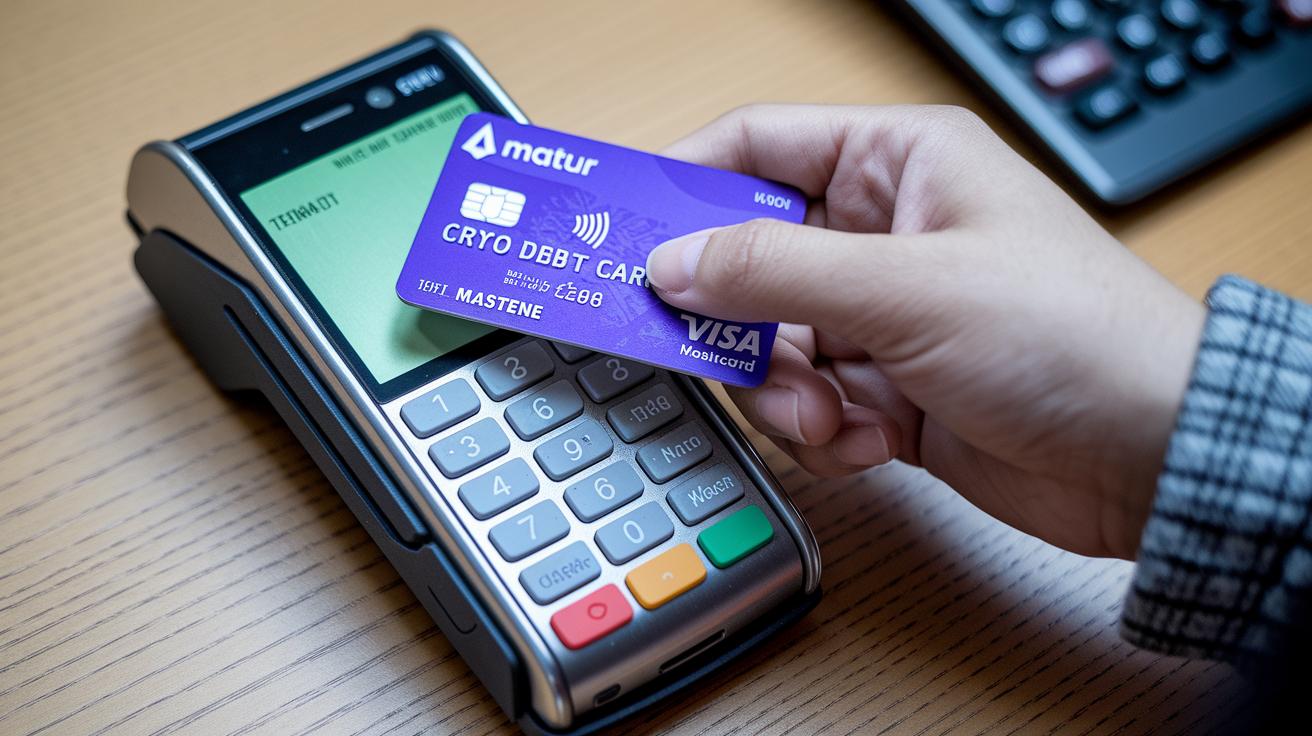
Crypto debit cards work like your regular bank card, but instead of cash, they use digital money. When you make a purchase, the card quickly swaps your chosen cryptocurrency for the local currency at that very moment. Picture this: imagine buying your favorite coffee with Bitcoin right as you tap your card. It's fast, simple, and feels just like using a regular debit card.
The conversion happens on major networks like Visa or Mastercard, so the shop receives the usual fiat payment. This means you only spend what you actually have, without worrying about overdrafts. Whether you're shopping online, grabbing groceries, or booking a trip, the switch from crypto to cash happens instantly. And some card providers even let you get paid in crypto, which then converts for everyday use without any extra hassle.
In short, a crypto debit card gives you easy access to your digital assets. It smoothly connects traditional spending with the world of cryptocurrencies, making digital finance feel familiar and secure. It's a practical solution for anyone looking to blend cutting-edge tech with everyday convenience.
How Crypto Debit Cards Operate Behind the Scenes

First, you load your crypto wallet or exchange account with digital coins like Bitcoin or Ethereum. Think of this wallet as your digital bank vault for keeping your funds safe.
When you use your crypto debit card, a hidden system jumps into action. It figures out the exact amount of digital money needed and quickly changes it into regular cash using live exchange rates. So, if you grab a cup of coffee, your crypto instantly becomes dollars in just one or two seconds.
Behind the scenes, a bank tool tied to the blockchain (a secure, digital ledger that records transactions) handles the swap. It connects with big card networks like Visa or Mastercard, ensuring that merchants get their cash just like they would with any normal debit card purchase.
Key Features and Benefits of Digital Coin Cards

Digital coin cards make spending easy while giving you solid crypto control. When you use one, your digital coins turn instantly into local cash at checkout, letting you pay for everyday things like coffee or groceries without any extra fuss. The whole process is smooth and steady, it bridges the gap between your digital tokens and regular purchases.
Here are seven great benefits digital coin cards bring:
-
Cashback rewards: You can earn between 1% and 8% back on every buy. Imagine buying a snack and getting a little bonus each time you swipe, it turns everyday spending into a chance to save.
-
ATM fee savings: Many card providers drop withdrawal fees after your yearly spending reaches a set level, so you can get cash without paying extra charges.
-
Direct crypto payroll: Some cards let you receive your paycheck in cryptocurrency, which instantly switches to regular cash so you can pay bills or shop easily.
-
Versatile cryptocurrency support: Different cards support different coins. Some cover as few as 7 tokens while others handle over 100, giving you the flexibility to shop with many types of digital money.
-
Lower conversion fees: For many US users, these cards often drop conversion fees, making the exchange of crypto to cash much smoother than other options that charge small extra costs.
-
Global acceptance: Working on Visa and Mastercard networks, these cards are accepted all over the world and help you avoid extra fees for foreign exchanges.
-
Premium perks: Higher-end cards might offer extras like streaming service rebates or access to airport lounges, adding even more value to your daily purchases.
All these features make digital coin cards a dependable way to handle your digital money on the move. They keep your crypto ready and easy to use wherever you go, blending digital assets seamlessly with your everyday financial needs.
Provider Comparison: Top Crypto Debit Card Options
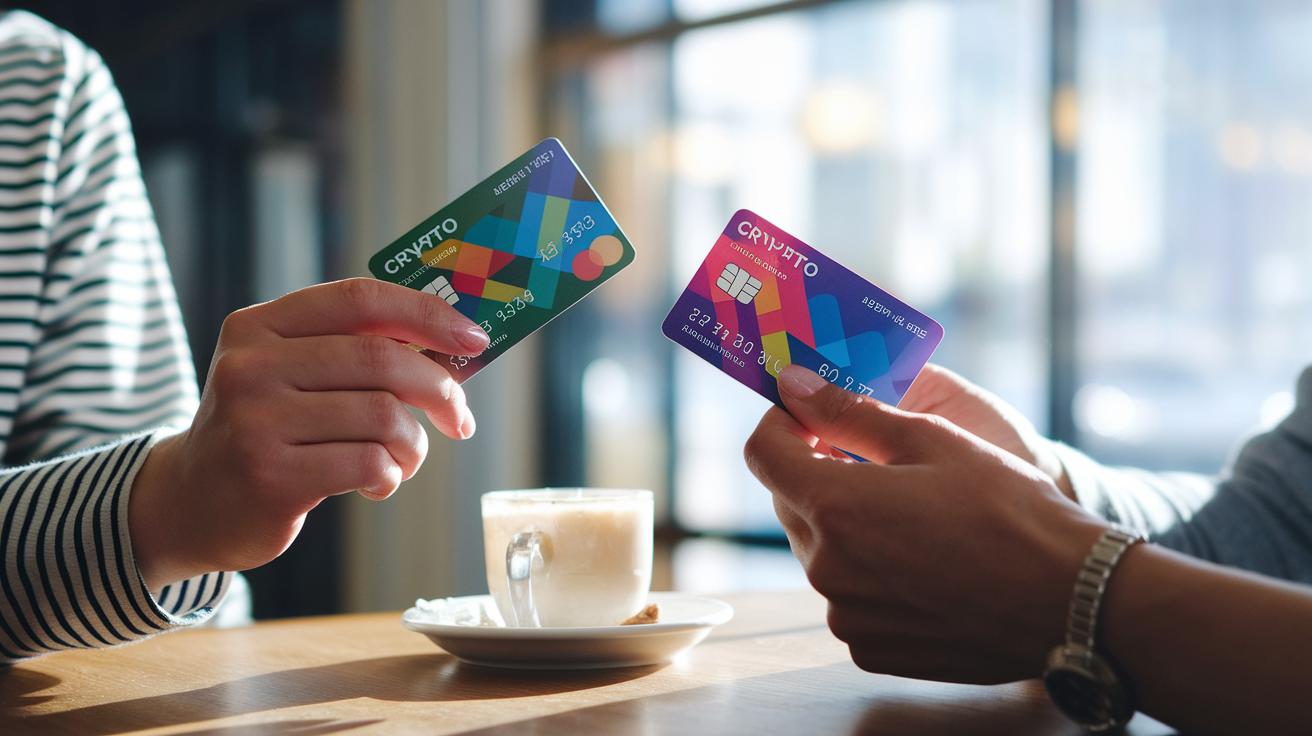
When picking a crypto debit card, it helps to have a clear picture of what each one offers. Think of it like choosing your favorite snack; every card brings its own mix of cryptocurrencies, cashback rewards, fees, and available regions. This way, you can easily find the card that fits your spending style.
Below is a side-by-side guide to some of the top cards available:
| Card Provider | Supported Cryptos | Cashback Rate | Fees | Availability |
|---|---|---|---|---|
| Crypto.com Visa Card | 100+ cryptos | 1%–5% | Requires CRO staking | 100+ countries |
| Binance Visa Card | 15 cryptos | Up to 8% | No issuance/monthly fees; 0.9% transaction fee | Europe (primarily) |
| Coinbase Card | 7 tokens | Up to 4% in XLM or 1% in BTC |
2.49% crypto liquidation fee | US-focused |
| BitPay Card | 15 cryptos, 8 fiat currencies | N/A | No conversion fees for US; $2.50 ATM fee; 3% elsewhere | US & other regions |
| Wirex Visa Card | 25 cryptos | Up to 2% in WXT | No issuance/withdrawal fees (US); 1% funding fee | Global (with US benefits) |
Take a closer look at this guide. Each of these cards lets you enjoy the familiar swipe experience through networks like Visa and Mastercard, and they each come with special rewards. For example, Binance can catch your eye if you’re comfortable with staking and want higher cashback, while Coinbase is a great match for US users seeking strong security. BitPay is perfect if you want to dodge conversion hassles, and Wirex is a winner if you plan to use your card internationally without extra fees. All of this makes it easier to decide which card will work best for your daily spending.
Fee Structures, Spending Limits and Security Protocols

Crypto debit cards won’t usually hit you with fees when you deposit funds. Instead, you might see a fee when you change your digital coins to regular money. For instance, a card like Coinbase might charge around 2.49% when you convert your crypto. ATM withdrawals can also come with a fee, usually between $2.50 and about 3% per use. Some providers even drop these fees if you spend enough. Imagine making everyday purchases without those surprise extra costs!
These cards have spending limits that depend on the tier you choose. Lower-tier cards tend to set modest daily or monthly limits, while those at higher tiers let you spend thousands in a day. It means you can pick a card that matches your lifestyle, whether you’re handling small purchases or planning a big buy.
Security is a big deal here. Most providers add an extra layer of protection with two-factor authentication, which works like having two locks on your door. They also use AES-256 encryption (a strong method to protect your data) and keep your crypto in cold storage to guard it even when it isn’t actively used. On top of that, the famed safety nets from Visa and Mastercard help protect your transactions.
- Transparent fee structures help you avoid hidden costs
- Varying spending limits let you plan your money flexibly
- Multiple security features work together to keep your funds safe
All these measures give you both the ease of use and the robust security you need for managing your digital money.
Applying for and Activating a Crypto Debit Card
Getting your crypto debit card is a pretty simple process. First, you sign up on the card issuer’s website and complete the identity checks by uploading your ID. Think of it like setting up your first email account, easy and straightforward.
After you are verified, add tokens like Bitcoin or Ethereum (these are types of digital money) to your crypto wallet. Some platforms even let you hook up an existing exchange wallet, so you can skip a step if you already have one.
Next, decide if you want a virtual card that shows up on your smartphone right away or a physical card you can carry with you. You activate it either through the mobile app or by logging into the issuer’s website.
Keep in mind that regional differences can play a part. For example, users in the United States usually get their cards without an issuance fee, while those in Europe might see a small fee. Sometimes, you may even be asked to hold onto extra tokens, like CRO or BNB (these are also digital coins), in exchange for premium perks or higher cashback rewards.
- Register and finish your identity verification
- Fund your crypto wallet with tokens
- Choose between a virtual or physical card
- Activate your card through the mobile app or website
Tax and Regulatory Aspects of Crypto Debit Card Usage
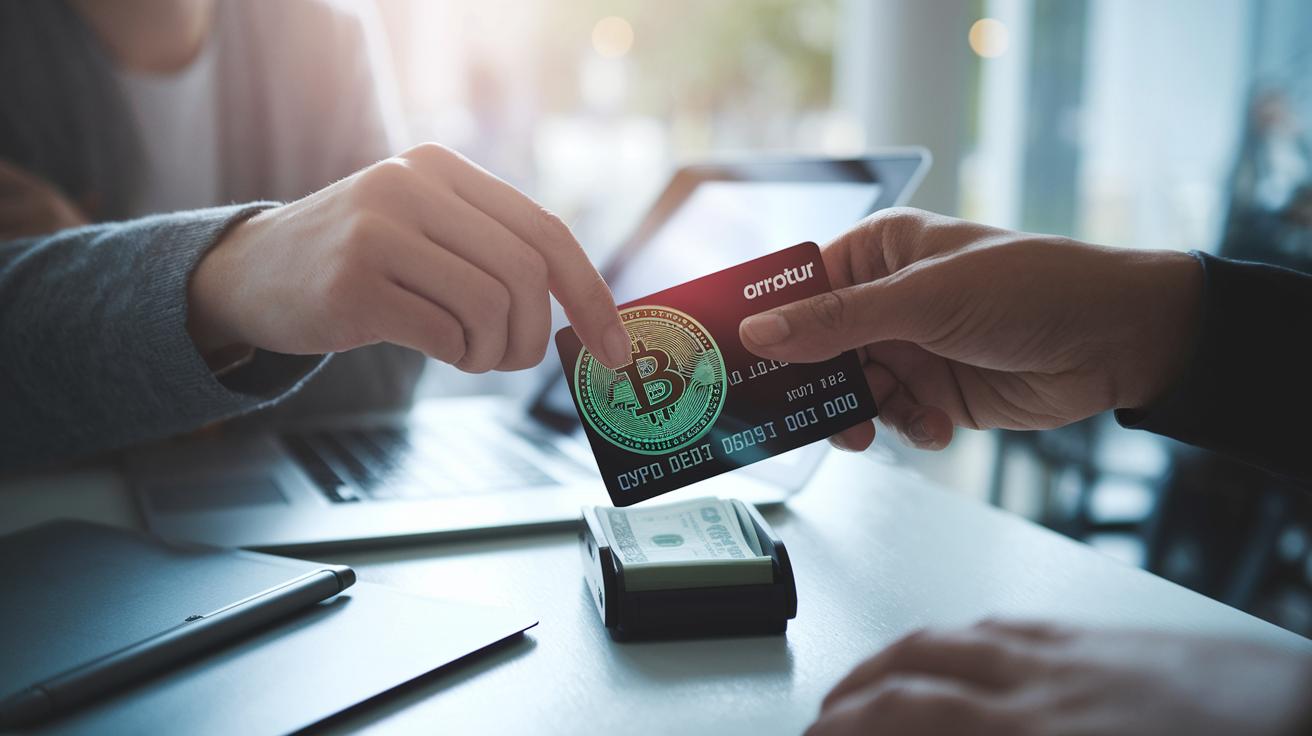
Every time you swipe your crypto debit card, it quickly turns your digital tokens into cash. Remember, though, that the IRS sees crypto as property. So when your digital coins convert to regular money at checkout, it counts as a taxable event. For instance, if you grab a bite using your crypto card, you may need to report any profit or loss from that exchange on your tax return.
It’s on you as a cardholder to track these taxable moments all year long. Whether you end up with a gain or a loss, think of it like selling any property, even if that property is your digital asset.
Rules differ around the world. In countries like the US and in the EU, you can use crypto debit cards under KYC/AML laws (these are rules meant to stop money laundering and verify your identity). But in some places, like Turkey, China, and India, these cards might be banned or face strict regulations. That means your ability to use the card depends on where you live. Plus, KYC checks can range from a simple ID verification for cards with basic features to a full-blown identity check for cards with extra benefits.
- Track every conversion meticulously
- Know your local rules
- Be ready for different KYC requirements
Final Words
In the action, we examined how crypto debit cards let you spend digital assets as easily as cash. The post broke down the process, from funding your wallet and converting crypto at the point of sale to comparing top provider features and fee structures, using clear steps so that you understand every part of the flow.
This guide gives you the insights needed to secure smart, diversified investments. Enjoy the benefits of a crypto debit card, and look ahead with confidence at the bright future of digital finance.
FAQ
- Is there a cryptocurrency debit card available with no KYC?
- The crypto debit card lets you spend your digital funds like regular cash. Some limited versions offer minimal verification, though most advanced features need full identity checks.
<dt>What is the best crypto debit card option?</dt>
<dd>The best crypto debit card depends on your needs. Look for options with low fees, broad crypto support, appealing rewards, and global acceptance to match your spending habits.</dd>

<dt>Are there any free crypto debit cards?</dt>
<dd>Some crypto debit cards come with no issuance fees. These free options let you spend digital assets without upfront costs, though you might face additional charges for withdrawals or conversion.</dd>

<dt>Can crypto debit cards be used worldwide, particularly in Europe?</dt>
<dd>Crypto debit cards usually work globally via major card networks, including in Europe. Just check for regional fee differences and KYC rules that may vary by location.</dd>

<dt>Where can I find a list of and discussions about crypto debit cards?</dt>
<dd>You’ll find various provider websites and online forums discussing popular crypto debit cards. These communities provide lists and comparisons to help you choose one that fits your needs.</dd>

<dt>How do crypto debit cards work on Visa networks?</dt>
<dd>When used on Visa networks, crypto debit cards convert your digital funds to cash at purchase time. This quick conversion lets merchants process payments as they would with regular cards.</dd>

<dt>Can the IRS track my crypto wallet activity through debit card transactions?</dt>
<dd>The IRS treats crypto like property, meaning each conversion from digital assets to cash is a taxable event. This information may be reviewed during tax assessments.</dd>

<dt>Is it possible to earn $100 a day from crypto using a debit card?</dt>
<dd>Earning $100 a day isn’t a feature of crypto debit cards. Instead, daily income depends on your trading or staking strategy and overall market performance, not on spending methods.</dd>

<dt>How is $100 valued in cryptocurrency terms?</dt>
<dd>The equivalent of $100 in crypto depends on live market exchange rates at the time of transaction. Your crypto debit card converts assets based on real-time rates, so the token amount varies.</dd>
