
Are we stuck with old financial systems or charging ahead into the future? Today, companies are swapping clunky old technology for smart cloud platforms (cloud platforms are online systems that let you work faster and more securely). Think of it like upgrading from dial-up to broadband internet.
New rules are stepping in to protect investors and make market details clearer. This means trades go more smoothly and payments settle faster.
In short, these changes could completely reshape the way we invest and build our wealth. The market is getting more efficient and agile, well-suited for our fast-paced world.
Key Capital Market Trends Shaping Modern Finance

Modern finance is changing fast as companies adjust to new technology and updated rules. One big trend is the move from old, fixed on-site systems to cloud platforms that can handle huge numbers of transactions. Think of it like switching from an old dial-up connection to lightning-fast broadband, this upgrade makes trading quick and agile. New regulations, such as SEC Regulation Best Interest (which are rules meant to protect investors), also help boost trust and clarity. These changes open up fresh opportunities for institutions to build systems that meet both strict rules and market speed.
Market setups are also evolving. Some markets are trying nearly 24-hour trading sessions, quicker T+1 settlement cycles (which means trades are settled the next day), and centralized Treasury clearing. This hints at a world where money flows more freely across borders. At the same time, product features are getting better for both big institutions and everyday clients by blending robust, secure tools with easy everyday use. Firms are increasingly relying on data-driven models to make decisions, though there’s a noticeable shortage of data science talent slowing down the pace of AI tool development.
Lastly, mergers and acquisitions are on the rise as companies join forces to expand their service offerings and work more efficiently. Overall, the trends in modern finance show a dynamic, connected, and bright financial future.
Fintech Revolution and Technology Adoption Patterns in Capital Markets

Cloud technology is changing how money flows today. More than 90% of IT leaders say they plan to increase their budgets in 2025. They want to support storage and processing systems that grow as needed. Banks and other financial institutions are now spending on AI (tools that learn from data) and automation (setups that work with little human help) to figure out usage patterns and adjust resources on the fly. This move lets companies handle a huge number of transactions faster and with better security.
Old systems are slowing down digital progress in nearly 8 out of 10 firms. So many companies are taking a step-by-step, modular approach to update their processes. For example, Neptune completely overhauled its fixed-income data sharing in just six months, linking 30 dealers with 80 buy-side firms. It’s like switching from an old flip phone to a state-of-the-art smartphone in no time. Other platforms like Genesis boost finance-grade app development by 10 times and include built-in encryption, auditing, and entitlement management. These ready-made solutions make it much easier to move from traditional systems to nimble, modern applications. Check out more about this digital finance innovation at nftcellar.net.
Imagine managing digital capital like upgrading to a smartphone: suddenly, everything is faster and more efficient. A simple, streamlined approach can turn what used to be months of work into just weeks. This ongoing technology shift is sparking safer, quicker innovations and is reshaping today’s capital markets.
Regulatory Impacts Analysis on Capital Market Functioning

Companies that have modernized their security and settlement systems are witnessing clear benefits. One broker shared that after switching to better encryption and auditing controls (tools that secure data and check accuracy), error rates dropped by 20%. This improvement has helped boost investor trust and cut down on delays.
Real-life examples show that tougher compliance rules not only meet guidelines but also make market operations smoother. One firm discovered that updating its risk-management workflows for T+1 settlements (a system that clears trades one day after the deal) led to faster trade clearings and more dependable investor reports. Imagine this: before the upgrades, one broker faced a 25% delay in finishing transactions, but after the changes, the delays were cut by half.
| Case Study | Improvement | Investor Impact |
|---|---|---|
| Broker A | Advanced encryption and automated auditing controls | Error rates reduced by 20% |
| Broker B | Implementation of T+1 settlement systems | Faster trade clearings and increased transparency |
For more on how these updated compliance rules are reshaping market operations, check out regulation in digital finance (https://nftcellar.net?p=885).
Global Market Dynamics and Cross-Border Capital Movement
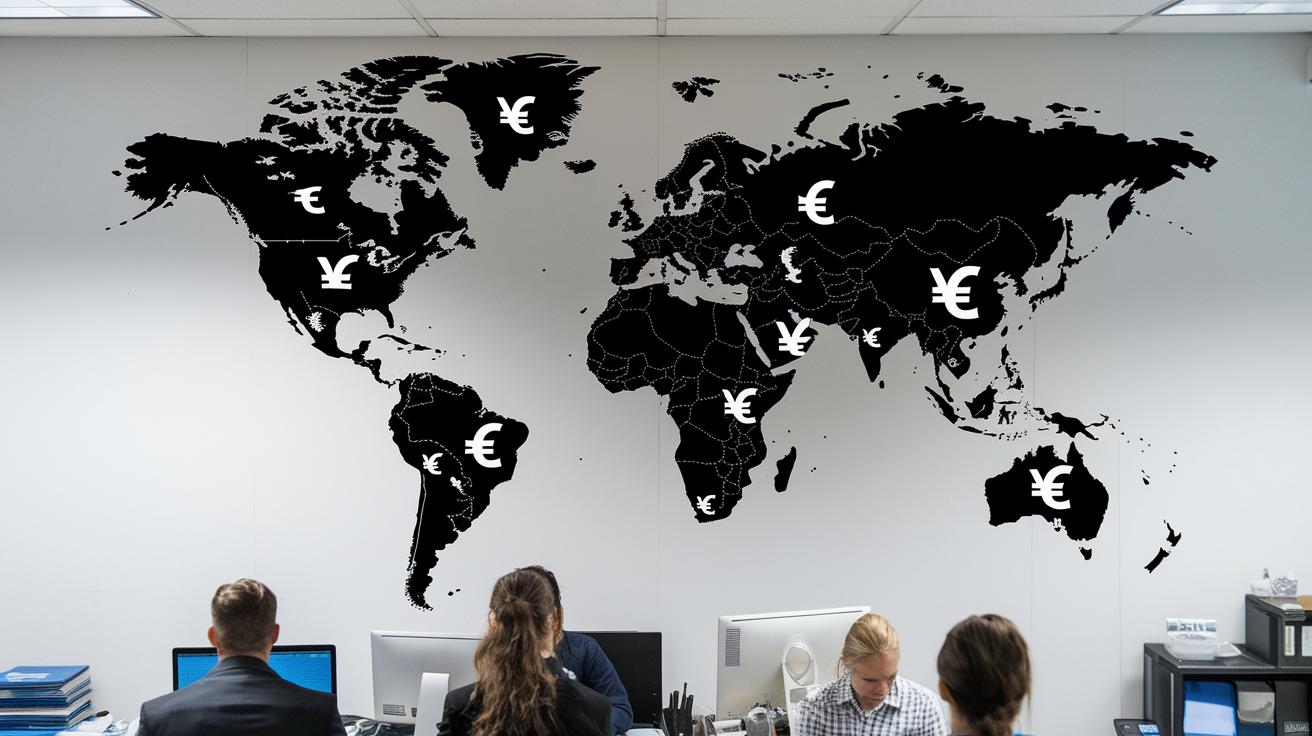
Global money flows shape market behavior in fascinating ways. When funds cross borders, they tell a clear story about how investors react to changes in central bank policies and shifts in currency values. Think of liquidity as a steady current that adjusts as policies change. For example, a tiny 0.25% drop in rates once caused millions of dollars to shift continents in just a few hours, opening up entirely new market channels.
Central bank moves often prompt investors to rethink both local and international investments. Simple economic signals, like how certain indicators affect the stock market (check it out: https://tradewiselly.com?p=2730), offer clues that help investors decide when to tweak their portfolios amid changing currency trends.
A recent example in Europe shows this dynamic in action. When local currency suddenly lost value, investors quickly rebalanced their portfolios. This case shows how fast money can move across borders when market conditions shift.
| Factor | Impact |
|---|---|
| Central Bank Policies | Drive shifts in investor moves and liquidity |
| Currency Flows | Trigger regional adjustments and portfolio rebalancing |
| Global Liquidity | Links cross-border capital movement worldwide |
ESG Investment Strategies and Sustainable Finance Models in Capital Markets

Institutions are quickly adopting new ways to blend environmental, social and governance factors into how they review portfolios and share information. Investor demand and tougher rules are pushing firms to think about success beyond just numbers. Today, many companies see sustainable practices as a core part of their strategy.
Take a portfolio manager as an example. They might focus on ESG strategies by keeping track of a company’s waste management or care for its employees. It’s like checking the pulse of a business, you see not just profits but also its effect on people and the planet.
Tools such as the Genesis platform’s Primary Bond Issuance tool are stepping into the spotlight. This tool gathers real-time data from many sources, giving managers a clear and central view of green bond and sustainability-linked opportunities. In practice, it means quicker decisions and more meaningful insights into today’s shifting financial landscape.
Sustainable finance models are now a vital part of modern investing. They guide portfolios to support broader societal goals while offering new ways to reduce risk and spur growth. As more institutions embrace these ideas, the capital market is transforming into a space where both financial returns and social impact matter equally.
Alternative Asset Solutions and Portfolio Diversification Methods

Alternative asset solutions are now a popular tool for investors looking to steady their portfolios in today’s unpredictable market. These solutions include choices like real estate crowdfunding, private credit, and digital assets. Digital assets, for example, are online investments that use computer technology to store value. They offer new ways to invest beyond the usual stocks and bonds.
Investors are rethinking the old ways of spreading risk. Instead of relying solely on traditional investments, many are blending familiar assets with these fresh alternatives. Take real estate crowdfunding, small amounts of money from many investors come together to fund big projects. It’s a simple way for both large institutions and everyday investors to share risk and aim for better returns.
This new mix helps manage risks during market ups and downs. As the economy shifts, investors are drawn to assets that don’t follow the usual market swings. Even a closer look at different sectors shows that combining various asset types can make investing less nerve-wracking and more flexible overall. In short, mixing alternative solutions with classic strategies is one smart move for building a stronger investment plan today.
Quantitative and Data-Driven Finance Models Driving Market Forecasts

Predictive scaling and risk quantification offer a fresh twist on market forecasts. Predictive scaling helps companies adjust their resources instantly when real-time market data comes in, similar to how a thermostat changes with the room temperature. Risk quantification uses smart data models (tools that turn raw numbers into clear insights) to quickly spot shifts in the market, giving a clear view of potential risks. For example, modern machine learning tools notice small changes in market trends, fine-tuning risk models so companies can act fast when things get volatile.
Final Words
In the action, the article broke down current movements shaping the field, highlighting how fintech and regulatory shifts influence investments. It covered how digital platforms improve scalability and risk management, while global dynamics and alternative assets redefine diversification. Each section ties back to capital market trends in modern finance, offering practical insights for strategic decision making. The discussion, filled with real-life examples and clear explanations, leaves readers equipped to build robust portfolios with confidence and excitement about future opportunities.
FAQ
What are capital markets trends 2025?
Capital markets trends 2025 include firms moving to cloud-based systems, stricter regulatory practices like SEC Regulation Best Interest, nearly continuous trading sessions, and shifts in product offerings to serve both retail and institutional investors.
What are the current trends in the banking industry?
Current trends in the banking industry center on digital modernization through fintech solutions, enhanced cybersecurity and regulatory measures, and improved digital transaction experiences that streamline customer service.
What do financial trends 2025 entail?
Financial trends 2025 entail increased cloud adoption, evolving trading structures like near-24-hour sessions, and a growing emphasis on regulatory and technological updates that drive market transparency and efficiency.
What are banking trends 2025 according to McKinsey?
Banking trends 2025, as noted by McKinsey, focus on integrating advanced fintech modules, updating legacy systems with modular modernization, and adapting to digital shifts through faster processing and enhanced cybersecurity practices.
What recent trends are emerging in financial markets?
Recent trends in financial markets feature increased merger and acquisition activities, the evolution of algorithmic trading through AI support, and global changes in settlement and trading patterns that adjust liquidity and risk profiles.
What does the Merrill Lynch capital market Outlook show?
The Merrill Lynch capital market Outlook shows a tech-driven transformation with shifts in settlement cycles and a stronger regulatory impact, prompting firms to update their risk management and compliance strategies.
