
Ever feel unsure if your crypto trading site truly has your back? In this article, we look at top platforms that keep your money safe, charge honest fees, and offer simple tools you can use right away. Imagine picking a trusty car to drive you through the world of digital money. We take a close look at names like Binance, Coinbase, and Kraken to see which ones offer solid safety and smart trading tips. Stick around, and let’s chat about which platform might be your best pick.
Best Crypto Trading Platforms Ranked by Security, Fees, and Tools

A crypto trading platform is a service that lets you buy, sell, and swap digital assets (think of these assets as online money). You want a platform that locks down your funds safely, charges fair fees, and packs handy trading features. We looked closely at what matters most to both newcomers and those who know the ropes, checking out things like the number of users, fee costs, and special tools that fit different trading styles.
We zeroed in on some of the global heavyweights as of October 2025 – names like Binance, OKX, Coinbase, Kraken, and Bybit. Each one was measured on its security checks, wallet-friendly fees, and smart tools that help you see the whole market picture. The idea is to give you a well-rounded view so you can pick the best crypto hub for you, whether you're trading on your phone or managing a full-on desktop dashboard.
| Platform | User Base | Fee Range | Key Feature |
|---|---|---|---|
| Binance | Billions in daily volume | Starting ~0.10% maker/taker | 600+ cryptocurrency pairs and extensive services |
| OKX | 200 million users | 0.045% maker / 0.050% taker | International reach with customized risk management |
| Coinbase | Large global community | Higher fees for advanced trade | Simple interface with Advanced Trade options |
| Kraken | Legacy user base since 2011 | 0.00% to 0.26% on spot fees | Strong compliance and historical reliability |
| Bybit | Over 10 million users | 0.025% maker / 0.075% taker | Advanced trading features with fast execution |
These top choices mix tight security, clear fee structures, and tools that match your trading needs. Next, we’ll dive deeper into what makes each platform unique, including their special features and risk controls, so you can trade with confidence and ease.
Fee Structure Comparison Among Top Crypto Trading Platforms
When you check out fee schedules, even a tiny change in maker fees (the fee you pay when your order adds to the market) and taker fees (the fee you pay when your order takes from the market) can make a big difference over time. Lower fees help you save money, especially if you trade a lot or in high volumes. This quick look at the fee plans shows you which platform might fit your trading style best.
| Platform | Maker Fee | Taker Fee | Discount Trigger |
|---|---|---|---|
| OKX | 0.045% | 0.050% | N/A |
| Binance | Starting at 0.10% | Starting at 0.10% | Increased monthly volume |
| Coinbase | Rebates available | 0.40%+ | Varies by trade size |
| Kraken | 0.00%-0.26% | 0.00%-0.26% | 30-day volume bands |
| Bybit | 0.025% | 0.075% | Dynamic based on volume |
Using these fee plans, you can shape your trading approach to cut costs and possibly bump up your profits. By looking closely at the maker fee benefits and discount triggers each platform offers, you'll be better set to pick the exchange that fits your needs just right.
Security and Compliance on Crypto Trading Platforms
Top crypto trading platforms take your safety seriously. They check your identity using methods like KYC (Know Your Customer, which confirms who you are) and AML (Anti-Money Laundering, rules meant to stop dirty money), following rules set by groups like the FIU (Financial Intelligence Unit, which monitors financial actions) and FATF (an international watchdog against money crimes). For example, many U.S. platforms follow SEC guidelines, while European ones stick to MiCA rules (new regulations that help manage crypto markets) to keep an eye on every move.
Along with these identity checks, technical defenses are a big part of keeping your assets secure. They use two-factor authentication (2FA, meaning you need to verify with a second check) to add extra safety. Most of the funds, up to 90%, are kept in cold storage (offline methods to prevent online hacking) so they stay safe from cyber threats. Regular reviews by outside experts help ensure everything is running well. Plus, many platforms come with built-in risk management tools that include features like stop-loss orders (automatically selling if prices drop too much) and auto-liquidation safety nets to help you manage sudden market changes in real time.
Past issues remind us just how important insurance funds and clear separation of assets can be. Take WazirX, for instance, which suffered a major breach in July 2024 that led to a loss of nearly USD 235 million, a stark example of why strong risk controls are needed. Indian exchanges also follow local rules, like applying a 1% TDS under Section 194S, to ensure that security always comes first.
User Experience and Trading Tools on Leading Crypto Apps

When trading crypto, a smooth experience can turn a tricky session into a clear, step-by-step journey. A smart, user-friendly setup welcomes new traders while giving seasoned pros the precise tools they need when markets shift quickly. Simple designs help you avoid mistakes and boost confidence with every trade.
Mobile and desktop tools each bring unique perks. For example, Coinbase’s mobile app is great for beginners, offering a clear layout and easy order placement. Meanwhile, Coinbase Advanced Trade steps it up with built-in charting tools and extra order types for a closer look at market trends. Binance, on the other hand, caters well to both mobile and desktop users by providing customizable dashboards, dynamic order books, and a P2P trading section that makes switching between different trading styles a breeze. Essentially, these features let you check those well-designed charts and indicators no matter which device you’re on.
The more advanced tools further set these platforms apart. OKX, for instance, gives you cross-platform options like margin, futures (a way to speculate on market moves without owning the asset), and staking (holding coins to help secure the network), all through an easy-to-use order ticket that makes bit complicated trades simpler. Kraken enhances the experience with an OTC desk and dark-pool trading that cater to institutional tastes, while Bybit stands out with a user interface that features one-click leverage, real-time profit and loss displays, and built-in tutorials to guide you through your first trades.
Overall, the blend of mobile-friendly designs and sophisticated desktop features on these apps sets up a secure, trusted environment for every crypto trader.
Liquidity and Asset Selection Across Crypto Exchanges
Liquidity is like the pulse of a trading platform. It tells you how fast you can buy or sell without the price jumping around too much. When liquidity is high, your order gets handled quickly, keeping risks low even when the market gets choppy.
Take Binance, for example. With tens of billions in daily trades and more than 600 trading pairs, it offers a deep order book that works well for both big investors and those just starting out.
MEXC stands out by listing over 1,000 cryptocurrencies. This ensures you have solid spot and futures trading options, making it a smart pick if you want lots of choices.
KuCoin comes in with nearly 800 tokens along with handy features like margin funding and short-selling. These tools let you manage a variety of trades without too much hassle.
Next, OKX gives you access to over 350 assets and also mixes in cool perks like staking and earn products. It’s a blend of strong liquidity with fresh investment opportunities.
Then there’s Gate.io, around since 2013. It supports new-listing tokens through special funding pools, which adds more options for emerging assets.
In short, having a wide range of assets coupled with deep liquidity helps traders sharpen their strategies and make smooth, confident trades.
Leverage and Margin Trading Options on Crypto Platforms
Leverage is when you borrow money to make bigger trades. It can boost your gains, but it also means you risk more. Platforms like OKX and Bybit let you use up to 100× leverage on perpetual contracts. You can choose between cross-margin, where your risk is spread across all trades, or isolated margin, where each trade stands on its own.
When you look at other platforms, Binance Futures offers up to 125× leverage on Bitcoin using dynamic margin and auto-deleverage features, a real safety net when the market moves fast. Kraken takes a more cautious route with up to 5:1 leverage on spot trades and discounts that improve as your trading volume increases. Meanwhile, MEXC and KuCoin provide peer-to-peer margin funding and options to short-sell, and Gate.io has auto-margin rebalancing with different risk-limit tiers that suit various trading styles.
These platforms also build in safeguards like maintenance margin and auto-liquidation. If market swings drop your equity below a set level, the system steps in and adjusts or closes your positions to help manage your risk.
Key Criteria for Choosing the Best Crypto Trading Platform

When you start looking for a crypto trading platform, it really helps to have a clear plan in mind. Think about things like if it follows the rules, how safe your money is, what fees you’ll pay, the variety of coins offered, and the handy tools available. Users often mention that quick deposits and withdrawals, friendly customer support, and good learning materials can make a big difference. Experts even say you should check how often the platform is up and running, if its API (a tool that lets different apps talk to each other) works reliably, and what other people are saying about it. Knowing these details helps you pick a platform that suits your trading skills and how much risk you’re comfortable taking.
- Regulation – Look for platforms that have the right licenses and follow legal rules. This shows they care about keeping things safe and fair.
- Security – Strong features like two-factor authentication (an extra step to verify your identity) and cold storage (keeping funds offline) can help protect your money.
- Fees – A simple and fair fee setup cuts down your costs, whether you trade a lot or are just starting out.
- Assets – The number and variety of coins available matter. More options can give you a better way to diversify your investments.
- Tools – Easy-to-use dashboards and advanced trading tools can support both quick trades and more complicated strategies.
- Support – Good customer service and easy-to-access learning resources can really boost your overall trading experience.
Choosing the right platform means matching these points with your own goals. It’s all about finding what fits your trading style and long-term plans.
Advanced Integrations: APIs and Automated Trading on Crypto Platforms
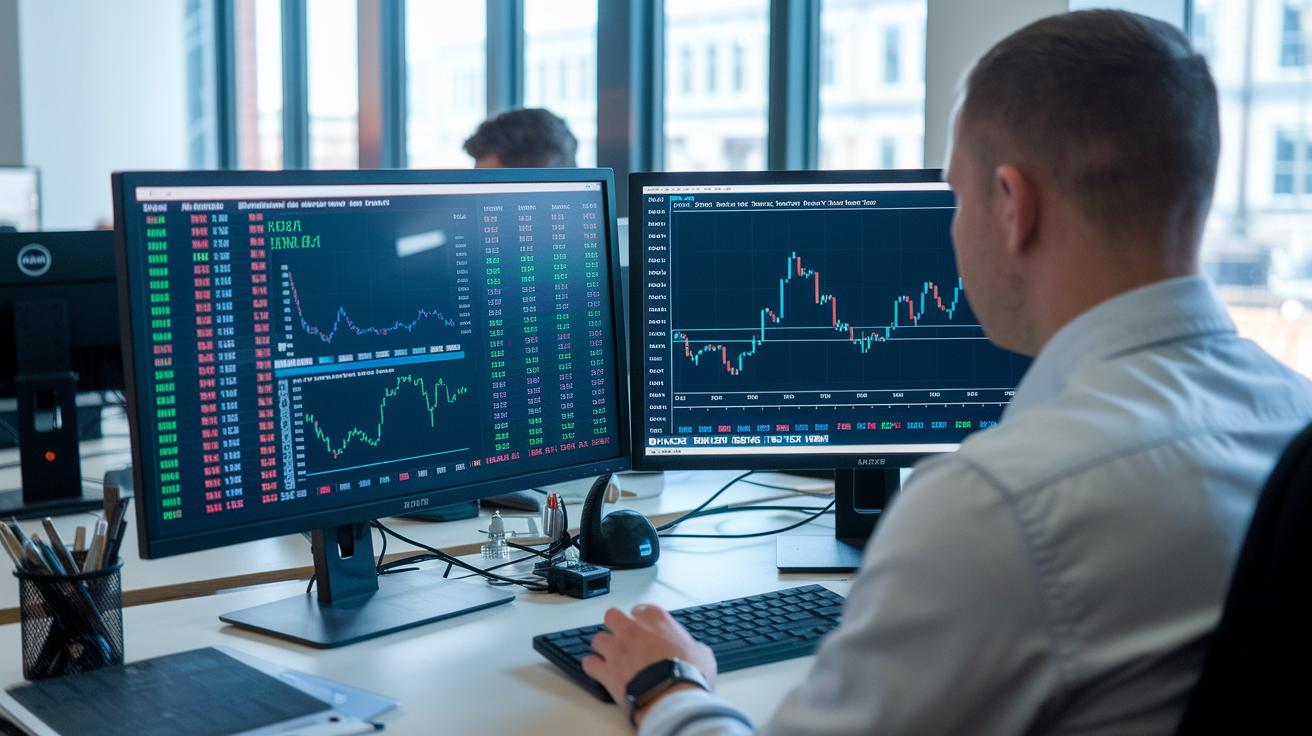
APIs are the heart of trading platforms, allowing professional traders to hook their systems directly to live market data and execute orders instantly. In simple terms, APIs (application programming interfaces, which let different software applications communicate) enable traders to automate routine tasks and launch custom strategies that quickly respond to shifts in the market.
Big names like Binance and Kraken offer REST/WebSocket APIs, meaning you get up-to-the-minute order details and market data in real time. On the other hand, OKX provides APIs for margin and futures trading. They even include a sandbox for testing out risk-free strategies, which gives you peace of mind as you try new ideas. It’s like having remote control over your trading setup.
For those who need extra tools, Bybit offers SDKs (software development kits, which help programmers build custom applications) in Python, JavaScript, and Java, plus a test network for fine-tuning your strategy. Automated trading bots, whether they’re set up for grid trading or arbitrage, use special API keys. These keys come with detailed permission settings, streamlining tasks and letting you engage in algorithmic trading that adjusts as live market conditions change.
Always remember to secure your setup with API key whitelisting, IP restrictions, and frequent key rotations. This extra layer of safety helps ensure your automated trading stays safe and secure.
Final Words
In the action, we explored top-rated digital exchanges, reviewing security, fees, and trading tools. The article broke down key ranking metrics, fee schedules, and security measures while weighing user experience, liquidity, margin options, and advanced API integrations.
This detailed look equips you to choose the best crypto trading platform for a balanced portfolio. Each section offered clear steps to gain actionable insight and confidently build your digital asset strategy. Happy trading and smart investing.
FAQ
What is the best crypto trading platform?
The best crypto trading platform depends on your needs. Many choose Binance for its broad asset selection, Kraken for strong compliance, and Coinbase for ease of use across different regions.
What crypto trading platform offers high leverage trading?
Crypto trading platforms with high leverage, like OKX and Bybit, let you expand your market exposure up to 100× through cross and isolated margin modes for more advanced trading needs.
Which crypto trading platform is free to use?
The concept of a “free” platform usually means low trading costs. Some platforms offer no-fee deposits or rebates, so reviewing fee structures will help you find an option that minimizes expenses.
Which crypto trading platform or app works best for beginners?
Crypto trading platforms designed for beginners, such as Coinbase, feature user-friendly interfaces and educational tools that make starting your first investments straightforward and less intimidating.
Can you make $100 a day with crypto trading?
Making $100 a day with crypto trading can be possible, but it relies on market conditions, effective strategy, and careful research, which means daily earnings are never assured.
Is Coinbase or Robinhood a better crypto trading service?
Coinbase offers a dedicated crypto platform with more asset options, whereas Robinhood delivers a simpler interface with a limited selection. Your choice should reflect the features that match your trading style.
What is the best app to buy and send Bitcoin instantly?
The best app for buying and sending Bitcoin instantly provides a secure, streamlined process. Apps like Coinbase let you quickly complete transactions while keeping the experience user-friendly.
Which crypto platform is best for investment purposes?
The best platform for investing in crypto depends on your goals. Many investors choose Binance for its asset diversity, while others prefer Kraken for its advanced tools and secure environment.
What makes the Kraken trading platform stand out?
The Kraken trading platform stands out with strong regulatory compliance, competitive fees, and a wide range of trading tools that cater to both beginners and professional traders.
Which crypto trading platform provides the lowest fees?
For low fees, Binance is popular because its tiered fee structure rewards higher trading volumes, reducing maker and taker fees as you trade more, making it attractive for cost-conscious traders.
