
Ever wonder if computers might be outsmarting human traders? Today, clever programs make snap decisions using real-time market info. Picture a computer catching a small trend and moving as quickly as a race car leaving the starting line. In simple terms, this write-up shows how these systems mix classic trading ideas with new technology to push performance. It explains why trading done by computers is changing how we approach the market.
How Algorithmic Trading Works in Modern Markets
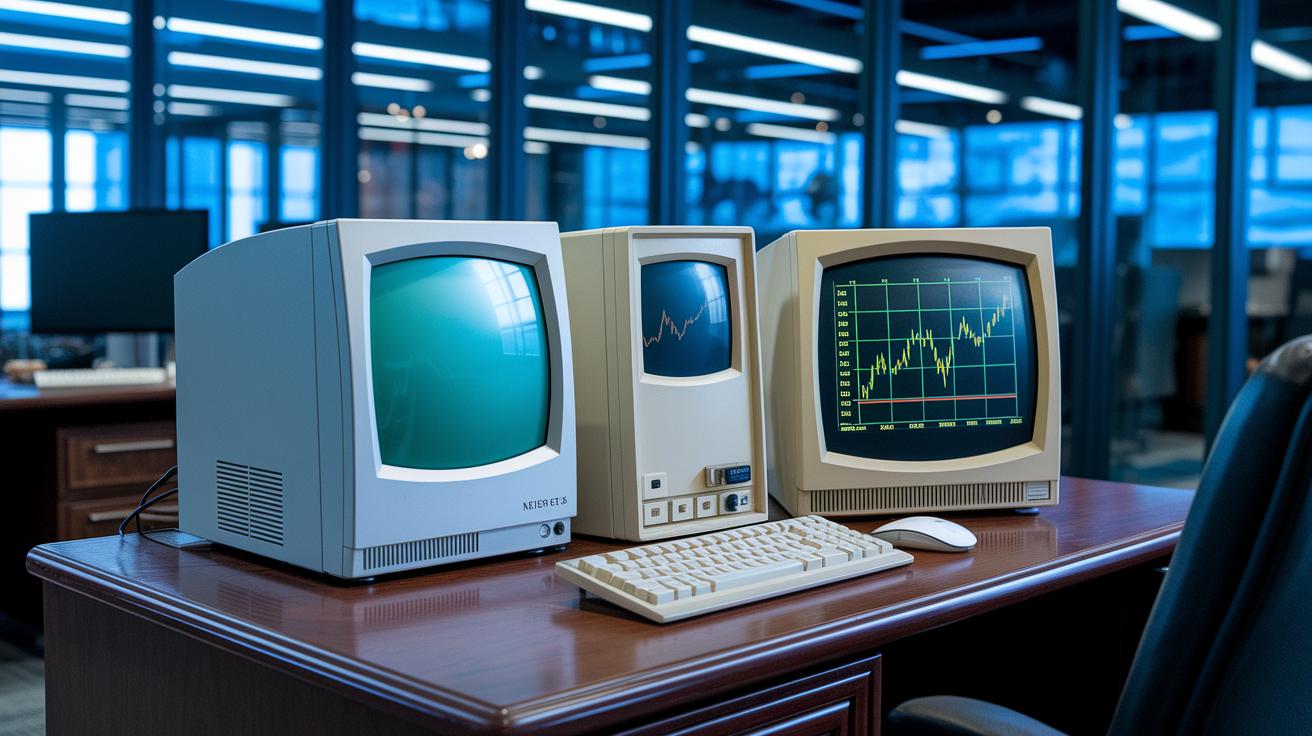
Back in the 1970s, program trading started the whole algorithmic trading story. Early systems used simple rules to trigger trades when stock prices hit certain levels, making decisions based on clear, set conditions.
Then, during the 1980s and 1990s, things got a lot more advanced. Electronic exchanges and live market data feeds (real-time info on market moves) let systems look at historical price data and technical indicators (tools that help spot trends) in a smarter way. It was like laying down a strong base for what we see in today's trading methods.
Modern platforms mix automated order execution with real-time market monitoring. For example, a system might keep a close eye on prices and decide to “buy when the price crosses above a moving average” or “sell when it drops below.” This kind of live check helps traders catch opportunities as they happen.
High-frequency trading really took off in the early 2000s. That’s when systems started processing thousands of orders in just milliseconds. This shows why having quick order execution is so important in today’s markets.
At its core, algorithmic trading relies on live data feeds that give up-to-the-second market information. These feeds work with complex algorithms designed to spot trends and act on them automatically. Many systems also use anomaly detection tools, which help flag unusual market behavior and trigger safety measures. In short, algorithmic trading keeps evolving by blending past insights with real-time market dynamics to improve performance.
Key Strategies in Algorithmic Trading in Modern Markets
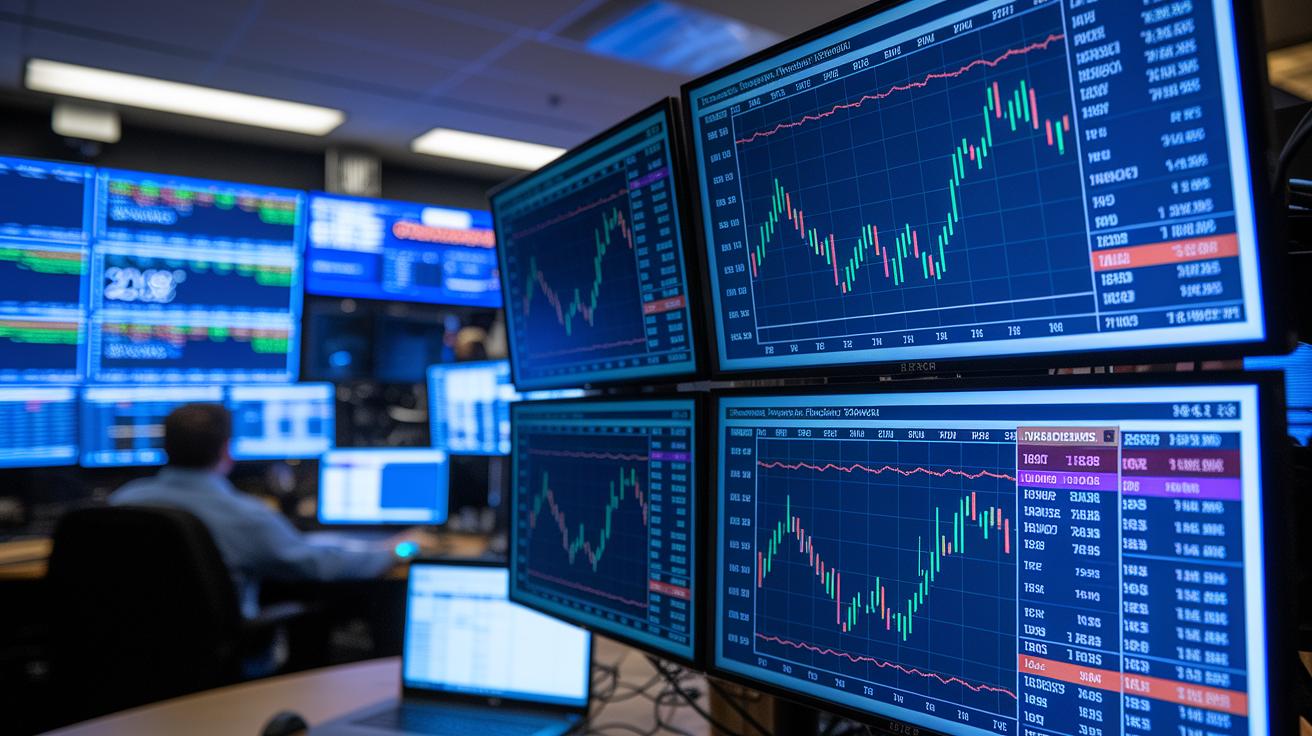
High-frequency trading is all about seizing the tiniest price differences in just a few milliseconds. Imagine a computer making rapid trades the instant it spots a small gap, much like catching a flash of lightning as it strikes. This approach, often used for quick scalping moves, relies on super-fast computers and near-instant market data to pick up on those subtle shifts in price.
Trend-following systems offer another way to ride the market. These systems track moving averages (the simple average of past prices) and momentum indicators to follow market trends. When prices steadily rise, the system might signal a buy, like noticing that the road ahead is becoming smooth and inviting. At the same time, mean reversion strategies lean on tools such as RSI (which shows if an asset might be overbought or oversold), MACD, SMA, EMA, Bollinger Bands, and stochastic oscillators. These indicators suggest that after prices wander too far from their usual path, they tend to swing back toward normal levels. It’s a bit like catching a falling knife and then watching it flip perfectly back into your hand.
Statistical arbitrage focuses on spotting temporary mismatches in price between two assets that usually move together. In pairs trading, if one asset lags for a short time while its partner performs better, the system might buy the weaker one and sell the stronger one, expecting the gap to close soon. It’s like noticing a quick misstep in a perfectly timed dance.
Lastly, there’s the volume-weighted average price, or VWAP, strategy, which breaks up large orders into smaller chunks to keep the market calm. If you're curious and want to dive deeper into VWAP trading, check out this link: https://ontheblockchains.com?p=1502.
Technology and Infrastructure for Algorithmic Trading in Modern Markets
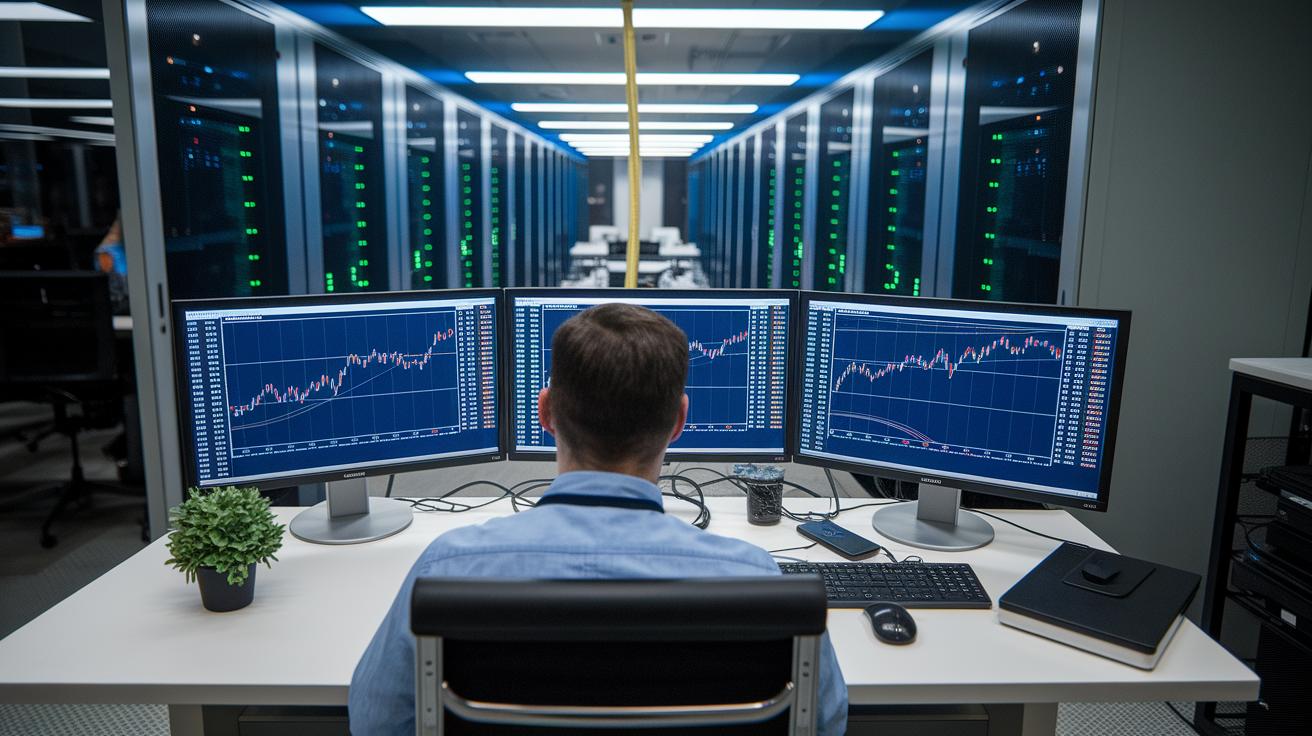
Modern trading platforms lean on strong, well-built software that brings you live market updates fast. They use systems that handle orders quickly and include safety checks all at once. Think of it like a race car that shifts gears in an instant.
Languages like C and C++ are like the sturdy frame of these systems. And with Python libraries such as Zipline, Backtrader, and CCXT (which help you create and test trading strategies), it’s like having a custom-built digital assembly line where every part is set for speed.
High-speed hardware and co-location are crucial here. In other words, servers are placed near exchange centers, almost as if you were having a conversation and every word was heard immediately, with no delays between market shifts and responses.
The system generally has three key pieces. First is the execution engine that processes orders as data comes in. Next comes the order management module that keeps an eye on live orders. Finally, risk control tools watch over each trade. The table below breaks down these components:
| Component | Description |
|---|---|
| Execution Engine | Handles orders instantly using live market data |
| Order Management Module | Keeps track of live orders and takes care of trade details |
| Risk Control Component | Monitors trading activities and triggers safety measures when needed |
Plus, these platforms have a backtesting setup that mirrors real trading. This allows you to try out your trading strategies safely before going live. This shift from older systems into a nimble, modern approach is really pushing the trading tech of tomorrow forward.
Data Analysis and Machine Learning Applications in Algorithmic Trading in Modern Markets
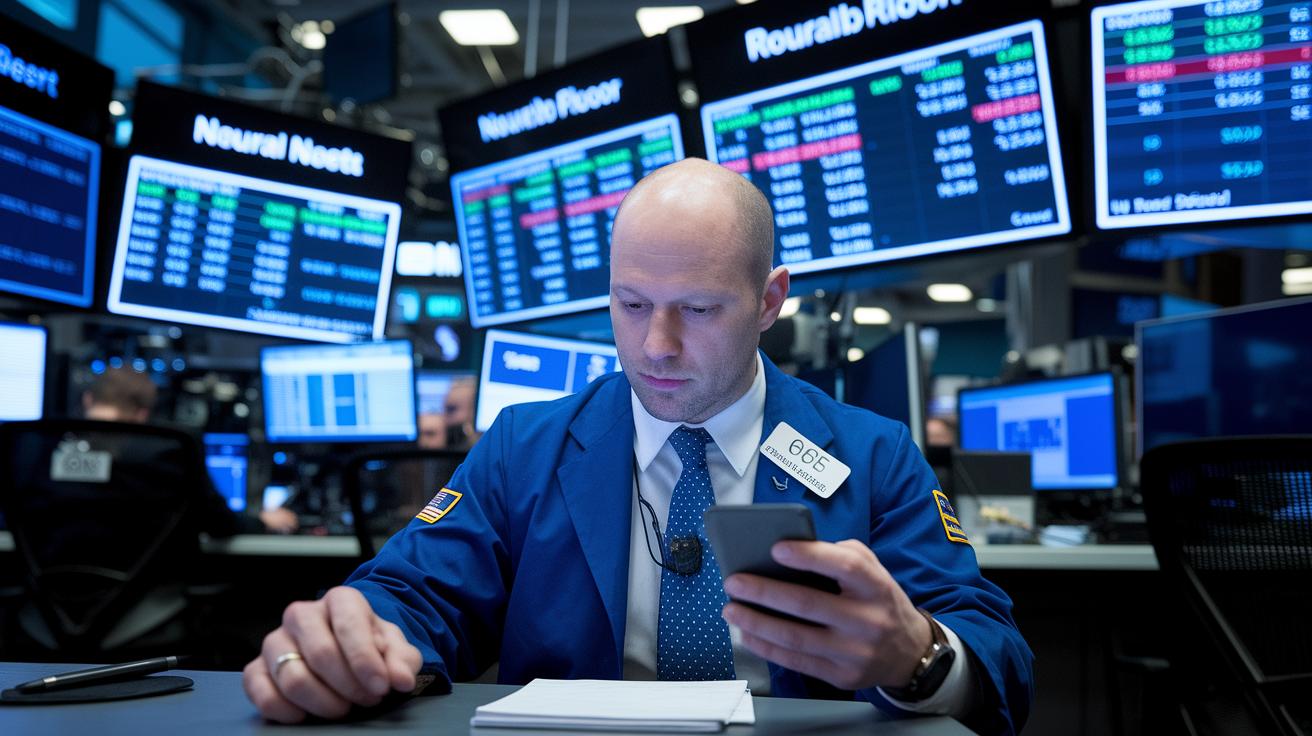
Modern markets use smart computer programs that learn and make trading choices. They dig through piles of old data and live market feeds to spot the best times to buy and sell. Deep neural networks (computer systems that mimic the human brain) and recurrent neural networks (systems that recognize patterns over time) help find trends in market behavior. In some cases, a deep network might hint at a small price change long before many human traders see it.
Reinforcement learning further boosts these strategies. It lets the computer try out different trading plans in a simulated market to learn what works best from past results. By combining these smart models with predictive analytics (techniques that use data to forecast future moves), raw market numbers turn into clear signals. And sentiment analysis (a tool that gauges the tone of news and social media) adds an extra layer of understanding by checking the mood around market trends.
AI tools for trading, like those offered by finance ai, blend these modern methods to provide real-time support. In this setup, human insight works hand in hand with machine models to constantly fine-tune trading strategies. Together, they mix technical precision with the overall market vibe to create a strong, flexible plan in today’s fast-changing trading world.
Backtesting and Simulation in Algorithmic Trading in Modern Markets
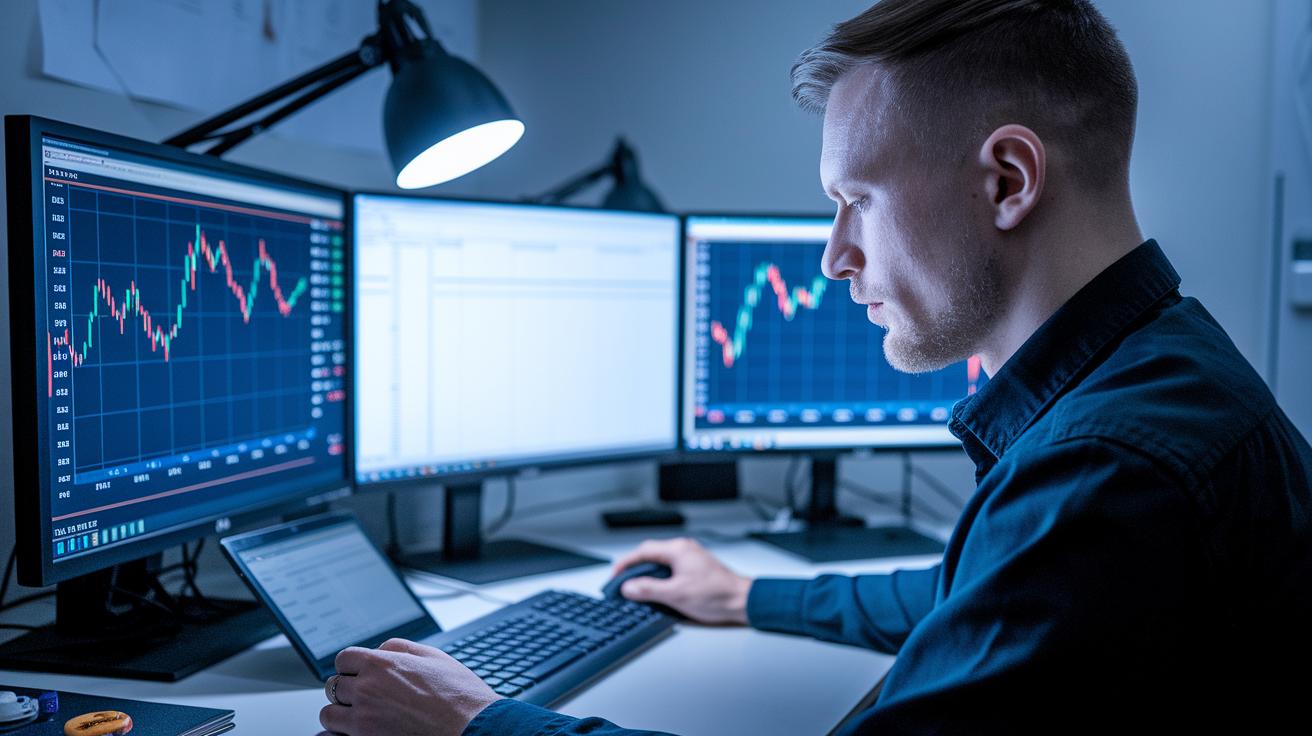
Backtesting is a key tool for traders to polish and test their trading plans. By applying strategies to past market data that acts like real-time conditions, traders can see how their systems might have fared before. It’s a bit like taking a car out on a rainy day to check its grip on the road.
Signal backtesting lets traders run their coded rules on historical market setups. This helps them know if their trading signals would have caught good opportunities. And simulation setups check how orders are filled, making sure trades stick to plan even in fast, stormy markets. This process often reveals little glitches or hiccups, issues that need a fix before going live.
Model validation is all about checking numbers like the Sharpe ratio (which shows the reward for the risk taken), drawdown (how much value dips from a peak), and win rate. Regularly reviewing these metrics helps traders pick and tune the models that show the best promise.
Risk Management and Compliance for Algorithmic Trading in Modern Markets
Automated risk controls are a key part of keeping algorithmic trading safe. They act like a vigilant guard, watching for unusual activity and stepping in with stop-loss measures or a kill switch when things look off. This is really important because it helps prevent problems from sudden market moves, hardware glitches, or software bugs that could lead to big losses.
Regular audits and compliance checks are also a must. Traders follow strict rules to avoid market manipulation and to make sure they always get the best execution possible. These checks keep both the trading algorithms and their processes aligned with market rules, making sure everything remains on track.
In addition, real-time execution risk controls play a huge role. The system constantly tunes trading algorithms and checks market reactions to manage risks in a high-speed environment. This smart mix of technology and careful oversight not only cuts down on potential losses but also builds trust in the overall trading system.
Emerging Trends and Future Directions in Algorithmic Trading in Modern Markets
New systems are pushing algorithmic trading into a fresh era by using AI, deep learning (computer programs that improve with lots of data) and reinforcement learning (methods that improve from trial and error) to fine-tune trading strategies. These smart tools can adjust quickly as market moods change, making trades more agile and responsive.
Think of it like a sports team that tweaks its game plan mid-match. Modern trading platforms mix human insights with computerized algorithms to create flexible, hybrid models that keep up with fast-paced market shifts.
More everyday investors are getting access to algorithmic trading, which means smaller players can now trade alongside veterans. This openness helps mix different strategies together, making the market more varied and inviting for a wider range of participants.
Integrating blockchain (a secure, digital ledger that records transactions) into trading can smooth out order settlements by providing clear records and automating contracts with smart contracts. This extra step builds trust and makes every trade a bit more secure.
Ongoing research is sparking new digital trends that make trading platforms more versatile. As technology breaks down old barriers, traders can look forward to safer, smarter systems that adapt quickly to market changes.
Final Words
in the action, we explored how digital systems evolved from early program trading to high-frequency practices. We broke down the workings of rule-based models, AI-powered analytics, and the vital techniques for backtesting and risk controls.
The blog highlighted the role of technology, robust system architecture, and careful compliance measures in shaping market strategies.
Every insight adds value to building resilient portfolios and smart decisions for algorithmic trading in modern markets, pushing the boundaries of your financial success.
