
Have you ever wondered if your crypto setup is really built to boost your profits? In a market that can change in just minutes, a clear plan works just like a reliable roadmap.
Whether you're making fast moves or holding your coins for the long run, having a simple, clear strategy can help you avoid big mistakes and grow your funds. This article walks you through tried-and-true tips to fine-tune your approach and get better results in your crypto trades.
Comprehensive Overview of Crypto Trading Strategies

When it comes to crypto trading, having a clear plan is key. The crypto market runs all day, every day, so you need easy-to-follow rules and a steady plan to handle the constant ups and downs. A solid strategy helps reduce mistakes that often come from making snap decisions during wild volatility.
You have two main ways to approach crypto trading: active and passive. Active trading means you often buy and sell, like day trading where you open and close positions in one day, swing trading where you hold for a few days or weeks, scalping which grabs small gains in just minutes or an hour, and trend trading that rides strong price moves over several weeks or months. In contrast, passive trading is more about the long haul. This includes HODLing, a funny term that started from a 2013 Bitcoin forum typo, and index investing, where you build a portfolio of digital assets that share similar traits.
The best strategy for you depends on your risk comfort and how hands-on you want to be. If you thrive on quick decisions and active management, active trading might be your style. But if you prefer a more relaxed, buy-and-hold approach, passive methods could be a perfect fit for reaching your financial goals in this constantly moving market.
Technical Analysis Strategies for Crypto Trading

Technical analysis in crypto trading means using past price data and trade volumes to guess future movements. It’s like reading a chart that tells the story of market activity. You look at numbers and trends to spot clues for what might come next.
Here are some popular tools:
- Moving Averages (MA) calculate average prices over time.
- The Relative Strength Index (RSI) checks how quickly prices change.
- The Moving Average Convergence Divergence (MACD) helps signal changes in momentum.
- Bollinger Bands show price swings by setting clear upper and lower limits.
- Fibonacci Retracements point out spots where prices could reverse.
- Chart Patterns like head and shoulders, ascending triangles, and flags hint at whether a trend could continue or turn around.
It’s important to spot divergence and understand support and resistance levels. When prices move opposite to an indicator (like the RSI), that’s known as divergence. For example, if prices keep climbing while the RSI falls, many traders get ready for a slowdown. Support levels are points where prices tend to bounce back up, while resistance levels are where prices might dip. Think of watching these signals as checking the pulse of the market, each one is a clue about where prices might head next.
Using multiple tools together can also help make the best trade decisions. Pair one technical indicator with clear support or resistance zones and you can better time your entries and exits. This combination makes your strategy both strong and practical.
Fundamental and Sentiment Analysis Techniques for Digital Assets

When you dive into digital assets, fundamental analysis is like doing a health check on a project. You look at things like blockchain upgrades (updates to the digital ledger), how many people use the project, what the developers are up to, and how the network is growing. These details help you see if the project might do well over time. For instance, checking how many transactions happen or how many active addresses there are gives a feel for how much real-world action is taking place. If you want to know more about the basics, you can visit this guide on fundamental analysis.
Equally important is understanding the market mood, known as sentiment analysis. This means keeping an ear out for the buzz around a digital asset. You might notice hints through news stories, social media chatter, or tools like the Fear & Greed Index (a measure that checks how scared or excited traders feel) and Twitter volume. These clues tell you whether traders are in a buying, selling, or holding mood. Picking up on these signals can really help you decide the best time to enter or leave your position. For some handy tips on tracking market sentiment, check out this guide on sentiment tools.
Algorithmic and Automated Crypto Trading Strategies

When it comes to crypto trading, algorithmic systems use computer programs that follow set rules to handle orders at the speed the market demands. These little bots work nonstop, trading based on the conditions traders set. Backtesting is a key part of this process, it means using old price and trading volume info to see how a strategy might have worked in the past. This way, you can fine-tune your trading ideas before going live.
High-frequency trading lets bots catch tiny price differences in just fractions of a second, often by exploiting simple arbitrage opportunities. Grid bots, on the other hand, regularly place buy and sell orders over a set price range to take advantage of predictable swings even in at-the-side market conditions. There are also automated scalping bots that make many quick, small trades every minute to profit from slight price movements. If you’re curious about these fast, bot-driven trades, you can find more details at Day Trading Crypto (https://buycrpyto.com?p=2064).
| Strategy | Description | Best Use Case |
|---|---|---|
| High-Frequency Trading | Executes trades rapidly to capitalize on minor price differences in just seconds. | Ideal for catching micro-price gaps |
| Grid Bots | Places buy and sell orders over preset price ranges to benefit from consistent market oscillations. | Works best in markets without strong trends |
| Automated Scalping Bots | Executes many small, quick trades to exploit minute shifts in prices. | Suited for fast-paced environments with frequent price changes |
Before you dive into using or creating a trading bot, it’s smart to backtest thoroughly and get a good read on the market conditions. Look closely at the technical setup, the quality of your data feeds, and your own comfort level with risk. A well-tested plan combined with reliable automation gives you the power to act quickly in the ever-changing world of crypto.
Crypto Trading Strategies: Boost Your Profits
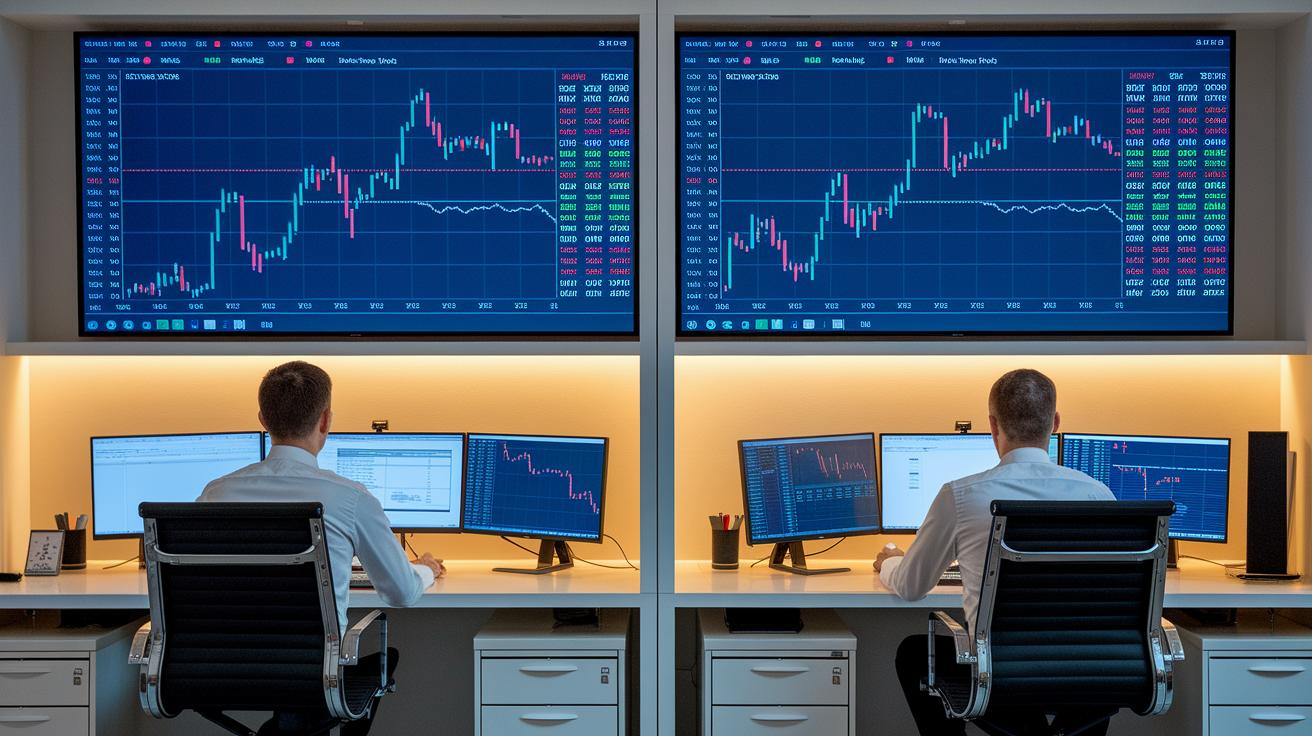
Effective risk management is the heartbeat of any trading strategy. Tools like stop-loss orders (which help cut losses quickly) and take-profit orders (which lock in gains) shield your cash when the market takes an unexpected twist. By only putting about 1-2% of your capital on the line with each trade, you keep losses small and manageable. Leverage limits step in as an extra safety measure so you don’t overdo your exposure. And honestly, even the pros have suffered big losses when they skipped proper risk management, forcing them to completely change their game plan.
Think of your investment as a balanced team. Spreading your money across different digital assets like Bitcoin, Ethereum, and various altcoins means that not all your eggs are in one basket. This mix helps lower the overall ups and downs of your portfolio because these assets rarely move in sync. Rebalancing your holdings every now and then is like tuning a musical instrument, it keeps everything in harmony with your goals. In short, diversification smooths out the wild swings of the market.
Before you jump into any trade, take a beat to check your risk-reward ratio. For example, if you stick to a 1:2 ratio, you’re aiming to earn at least two dollars for every dollar you risk. This simple rule boosts your chances of winning over time and helps prevent those impulsive, emotional decisions. Keeping a clear plan to assess risk before every move makes your trading approach both steady and strong.
Continuous Improvement: Backtesting, Journaling, and Strategy Refinement

Backtesting takes old market data and uses it to give you a clear picture of how your trading strategy might have performed in the past. By simulating trades with historical prices and volumes, you see numbers like returns, drawdowns, and win rates in action. This process helps you tweak your plan so that when you're trading for real, your decisions are backed by solid data rather than guesswork.
Keeping a detailed trade journal is just as key. Write down everything, from the date and asset to entry and exit prices, the size of your position, and whether you made a profit or loss. Also, note your feelings during each trade; these insights can help reveal patterns in your behavior. Regularly looking back over your journal can uncover trends in your performance and highlight moments when emotions might have steered your decisions.
Using simulation tools to model bull, bear, and sideways market scenarios adds an extra layer of insight. These models let you test your strategy adjustments in a safe, controlled space before rolling them out in real markets. It’s like running a trial run that helps you fine-tune your approach with confidence before you face live trading conditions.
Final Words
In the action, we examined ways to approach the nonstop crypto market. The article broke down active versus passive methods, technical setups with clear signals, and smart risk-management techniques. We also touched on algorithm-based approaches and strategy refinement to keep your portfolio strong.
Combining reliable crypto trading strategies with keen market insights helps build a solid digital asset portfolio. Stay positive as you turn these ideas into action.
FAQ
Crypto trading strategies pdf
The crypto trading strategies PDF refers to a downloadable guide detailing both active and passive methods for buying and selling digital currencies. It often includes charts, risk controls, and analysis insights.
Most profitable crypto trading strategy
The most profitable crypto trading strategy emphasizes strong technical analysis paired with disciplined risk management. This approach helps traders identify trends and limit losses based on market conditions and personal experience.
Crypto trading strategies reddit
The crypto trading strategies mentioned on Reddit highlight real-world tips shared by community members. These discussions range from day trading techniques to long-term holding approaches that benefit both novices and experienced traders.
Free crypto trading strategies
The free crypto trading strategies found online cover basic technical and fundamental methods for trading digital assets. They help beginners get started by outlining easy-to-follow plans and cost-effective tips.
Best crypto trading strategies
The best crypto trading strategies combine thorough research, clear trading rules, and sound risk management. This blend enables traders to stay focused in a constantly shifting crypto market and work toward consistent gains.
Crypto trading strategies scalping
The crypto trading strategy of scalping targets small price movements within minutes. This approach involves executing multiple rapid trades to profit from slight market shifts while carefully managing exposure.
Crypto trading strategies (PDF free download)
The crypto trading strategies available as a PDF free download offer an organized overview of various active and passive methods. Readers can access technical, fundamental, and algorithmic insights neatly compiled in one resource.
Most profitable crypto trading strategy for beginners
The most profitable crypto trading strategy for beginners stresses practicing with demo accounts, simple technical analysis, and strict risk controls. This cautious start helps build essential skills and confidence.
Can you make $1000 a day trading crypto?
The possibility of making $1000 a day trading crypto depends on market volatility, advanced strategies, and significant capital. It remains a challenging goal, especially for newcomers, with no guaranteed outcome.
Can I make $100 a day from crypto?
The prospect of making $100 a day from crypto trading relies on consistent strategy execution, favorable market conditions, and proper risk management. While achievable, it usually takes time to build the necessary expertise.
What is the 30 day rule in crypto?
The 30 day rule in crypto generally points to a required period impacting trade timing or tax reporting on digital assets. This timeframe can influence when traders make moves or report transactions, varying by jurisdiction.
How to master crypto trading?
Mastering crypto trading involves continual learning through technical and fundamental analysis, consistent backtesting, and maintaining a detailed trade journal. Combining these practices with disciplined risk management builds long-term success.
