
Ever wondered how a tap on your phone can make your money work harder? Digital finance tools change everyday money tasks into quick, simple actions. You can pay bills, send funds, and set up savings without waiting in line or sorting through paperwork. It’s like having a trusted friend in your pocket, ready to help you spend wisely and save smartly. Today, we’re exploring how these helpful tools simplify managing your money and boost your financial growth.
Understanding Digital Finance Services

Digital finance services make it easy for you to manage money using modern technology. With mobile apps, online banking, and digital wallets, you can take care of everything, paying bills, transferring money, managing savings, even setting up investments, all from your phone.
These services work through trusted digital channels, making it simple and quick. Many people enjoy using them because they eliminate long waits and stacks of paperwork. With a digital wallet, setting things up is as quick as sending a text. Imagine handing money to a friend with just a tap, just like swiping a card at a store.
Big players like the G20 have laid out guidelines for these tools, seeing them as ways to make finance accessible and efficient. They use secure electronic money, digital payment cards, and bank accounts on your mobile device to meet both everyday and business needs. In short, digital finance services bring the bank right into your pocket, making it easier for you to manage your money wherever you are.
Core Technologies Powering Digital Finance Services

Mobile banking platforms are at the heart of digital finance. They let you check your account and send money right from your phone. Imagine Alex tapping his screen to send funds across town, it’s a clear reminder that mobile banking is about making life easier and not just about speed.
Cloud computing and SaaS architectures keep everything running smoothly. They store and process huge amounts of data off-site, which makes digital services reliable and able to grow with demand. Moving to the cloud means platforms can update features quickly and keep your experience friendly as market trends change.
Artificial intelligence also plays a big role. For example, robo-advisors use smart algorithms to craft a financial plan based on your spending habits and comfort with risk. Think of it as having a personal financial helper available around the clock to walk you through each step.
Blockchain adds another important layer. It uses a decentralized ledger, a secure digital book that records every detail of cryptocurrency transactions, to give users peace of mind. Every transaction is logged clearly so you know your money is safe and every move is accurate.
Cashless payment systems, like NFC-enabled mobile wallets and POS terminals, work hand in hand with these technologies. They help push digital finance into a future where nearly every financial action is just a tap or click away.
Benefits and Real-World Use Cases of Digital Finance Service

Digital finance services help people grow by making money more accessible and inclusive. Between 2011 and 2021, research shows that adults without a formal bank account dropped from 48% to 24%. In other words, more people can now save money, pay bills, and send cash to family, much like switching from a rusty key to a smart lock.
Mobile money platforms have made transactions cheaper and shattered old barriers to saving and sending remittances. Take Kenya’s M-PESA, for example. During tough economic times, users of M-PESA kept spending while non-users had to cut back by 7%. This little fact shows how digital finance can keep everyday life running smoothly even when times are hard.
Digital finance also opens up simple and fast ways to send money across borders. Behind the scenes, global service providers work hard to ensure that funds reach the right hands quickly. Plus, contactless payments make checkouts faster and reduce the need for close contact, adding extra ease to everyday shopping.
Governments are also jumping on board, using these services to deliver social programs directly to people. This not only supports citizens more efficiently but also improves how resources are allocated. With smarter job matching and better productivity among workers, digital finance steadily reshapes our daily lives and paves the way for strong economic growth.
Security Measures and Regulatory Compliance for Digital Finance Services
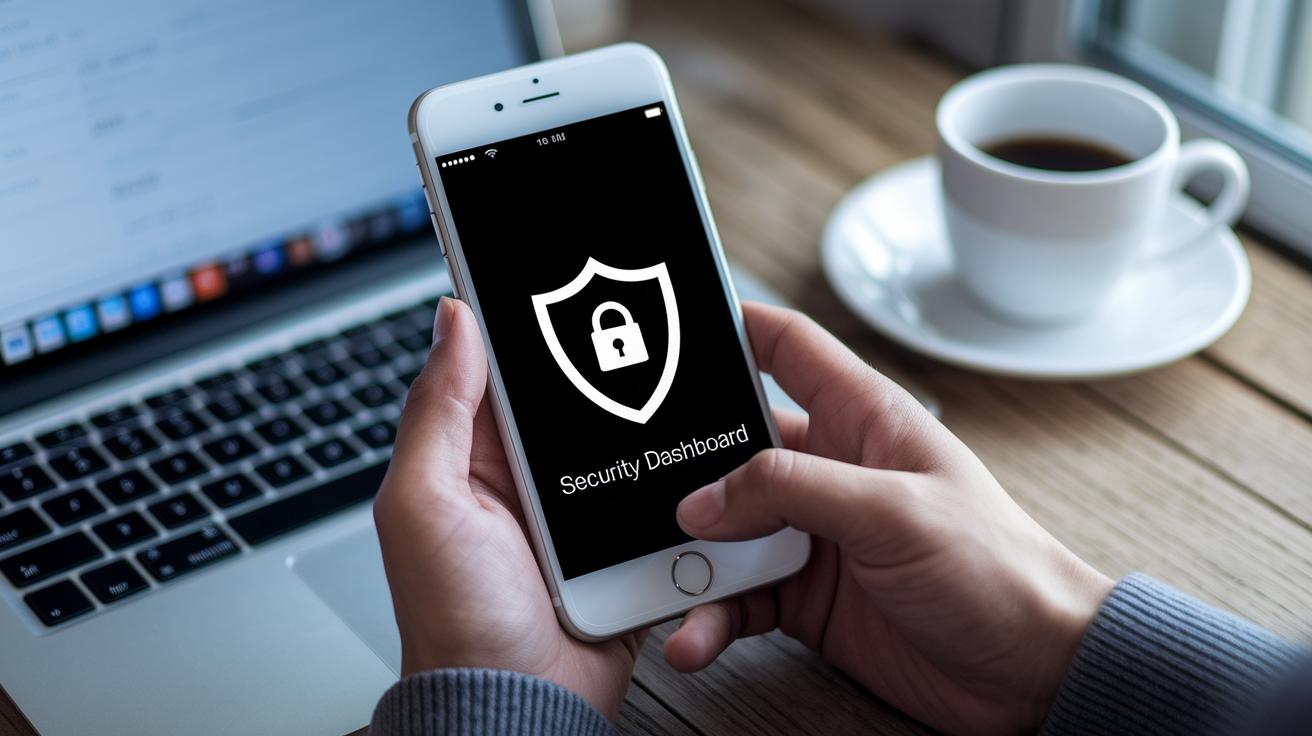
Digital finance services face many risks. They can fall prey to tricks like phishing (where bad actors try to steal your information) or malware (harmful software that messes with your device), along with data breaches, identity theft, and unauthorized transactions. To counter these dangers, the industry relies on strong payment security protocols and clear rules set by regulators. Governments create strict policies and open banking rules that tell digital finance companies exactly how to protect your information.
These guidelines cover important areas like customer authentication (making sure you are who you say you are), transaction reporting, data protection, and audit requirements when it comes to digital contracts. Companies keep updating these rules regularly to stay on top of new cyber threats. This ongoing effort ensures that services run securely, similar to how a fresh coat of paint protects a house.
Banking cybersecurity measures and e-payment compliance rules work together to help digital transactions stay safe, even as tech evolves quickly. Firms set clear policies and review them often to make sure every digital interaction meets high safety standards. This process builds a strong sense of trust in the financial system, much like a well-guarded vault keeps valuables secure.
To keep things extra safe, platforms use several security measures, including:
- End-to-end data encryption, which means your information is scrambled from start to finish.
- Multi-factor authentication, so you prove your identity in more than one way.
- Continuous system monitoring and checking for unusual activity.
- Secure API design and strict access controls.
- Regular regulatory reporting and audit trails.
- Detailed smart contract code reviews and formal verification to ensure everything works right.
By sticking to these practices, digital finance services can protect customer data, meet all regulatory requirements, and guard against new online threats. It’s a bit like having a smart lock on your digital door that keeps changing its code to block any would-be intruders.
Comparing Leading Digital Finance Service Platforms

Digital finance companies keep changing how they serve you. They mix fast, automated payment systems, handy digital wallets, and easy ways to handle cryptocurrency transactions (crypto is digital money that uses secure tech). Many of these companies also use smart tools like robo-advisors (automated advice), live analytics, secure blockchain checks (a digital record system), and online cloud dashboards (control panels) so you can handle payments, credit, and investments in one place.
They carefully compete on things like fees, the types of currencies they support, how well they connect with other apps, and how fast transactions go through. Some even break information into secure pieces, a method known as tokenization. This friendly competition pushes each service to keep getting better while still protecting your experience and security. One service might lean into a strong digital wallet for everyday tasks, whereas another places its bet on live analytics to help you see your spending clearly.
Banks and fintech innovators are going beyond basic payment solutions now. They’re creating online dashboards that let you watch your investments and even track market changes as they happen. Some providers mix cryptocurrency transactions with traditional services, making funds flow smoothly whether you're sending money abroad or making a quick retail purchase.
| Provider | Service Types | Key Features | Ideal Use Case |
|---|---|---|---|
| MobilePay | Wallet, NFC | Instant contactless | Retail payments |
| LendFast | Online lending | AI credit scoring | SME loans |
| RoboPlan | Robo-advisor | Algorithmic portfolios | Low-cost investing |
| BlockPay | Crypto gateway | On-chain settlements | Cross-border remittance |
By laying out these details side by side, you can figure out which provider meets your financial needs best. Whether it’s quick digital payments or a clear look at your spending, there’s a platform made just for you.
Best Practices for Implementing Digital Finance Services

Getting started with digital finance services begins with taking a good look at how money flows in your organization. First, review your everyday financial routines to spot where app-based tools can make a difference. When you understand every step of how cash moves, you can pick a tech solution that might include a cloud toolkit (a set of online tools for handling money matters) and mobile SDKs (software tools that help create mobile apps). For example, it’s like swapping out old-fashioned calculations for a smart, automated process that simply works.
Your team's readiness is as important as the technology you use. Regular training and change-management sessions help everyone get comfortable with new finance dashboards (visual displays of key financial data) and self-running finance tools. Running small pilot programs lets companies try out new methods while keeping an eye on important details like transaction numbers, how many users adopt the system, and the savings achieved.
Finally, keeping a close watch and making small, regular changes keeps the system running smoothly. By updating your policies for security and compliance (following necessary rules and guidelines) as new tech evolves, you build a culture that values steady improvement. This clear, step-by-step approach helps drive growth and makes sure your digital finance services really deliver value. Keep measuring your results, adjust quickly when needed, and stay ready to embrace the fast changes in the industry.
Final Words
In the action of exploring digital finance service, the article broke down key technologies, benefits, and security practices that power modern online fiscal solutions. We witnessed how innovations in mobile banking and blockchain offer solid real-world examples and assurances for safer transactions. Step-by-step best practices were shared to help streamline digital asset setups. Together, these insights guide smart portfolio building and help maintain strategic, secure decisions. Every advancement brings fresh opportunities, making it an exciting time to embrace these modern financial insights.
FAQ
What are digital finance services?
The digital finance services include using modern technologies for secure payments, transfers, and financial account management. They rely on mobile apps and online platforms to enhance customer access and efficiency.
What is a digital finance platform?
A digital finance platform is a convenient hub that offers financial management through online channels. It supports tasks like payments, savings, and credit monitoring with a user-friendly interface.
What are some examples of digital financial service companies and tools?
Examples include mobile banking apps, virtual wallet applications, and online lending portals. These services simplify transactions, support secure payments, and help users make sound financial decisions.
What are the benefits of digital financial services and inclusion?
Digital financial services boost efficiency, lower transaction costs, and increase access to credit and savings. They empower more people to manage their money confidently while improving overall financial wellbeing.
What disadvantages exist for digital financial services?
Digital financial services may face challenges such as phishing, malware, and unauthorized transactions. These risks emphasize the need for robust security measures to protect user data and funds.
How secure is digital finance?
Digital finance security builds on end-to-end encryption, multi-factor authentication, and continuous monitoring. These protocols, alongside smart contract code reviews, keep customer information and transactions safe.
What digital financial tools aid online fiscal operations?
Digital financial tools range from virtual wallet applications to blockchain-based systems that improve payment speed and transaction accuracy. They support everyday money management while simplifying complex fiscal processes.
