Ever wonder why crypto folks act the way they do? There's a tool called the fear and greed index that shows how investors feel right now. It mixes simple data, like price moves and trading buzz, to give you a clear picture of the market mood. When scores tick up, it often means buyers are stepping in, suggesting it might be a smart time for a trade. In short, this index offers a live snapshot of crypto sentiment that could change how you plan your next move.
Understanding the Fear and Greed Index Crypto
The Crypto Fear and Greed Index gives you a simple view of how crypto investors are feeling on a 0 to 100 scale. When scores fall between 0 and 24, it means there’s a lot of fear around, which some folks see as a good time to buy. On the flip side, scores from 75 to 100 suggest that greed is running high, and the market might be due for a pullback.
At its heart, this index pulls together data from six different sources. It splits its weight evenly (25% each) between how wild the price swings are (volatility, which shows how much an asset’s price changes) and how active the market is (momentum with volume, which tells you how fast and how much is being traded). Social media activity makes up 15% by tracking bursts of online chatter. Even though survey data (another 15%) is on pause right now, Bitcoin’s market dominance (its share of the overall crypto market) and Google Search Trends (which reflect shifts in what people are curious about) each add another 10%. Think of it like mixing ingredients to create a clear snapshot of the market’s mood.
Originally borrowed from a tool used in the stock market, the index helps cut through the emotional noise. Investors use it to get a straightforward signal on whether it’s a smart time to buy or sell. In short, the index strips away the drama and gives you a practical guide to understanding how digital asset sentiment is shifting.
Calculation Factors of the Crypto Fear and Greed Index Crypto

This section dives into why each element matters, helping us feel the market's heartbeat as investor moods shift over time.
-
Volatility (25%): Fast price swings hint at rapid changes in market confidence. Think of it like a sudden drop in price that sparks a wave of worry among investors.
-
Market Momentum & Volume (25%): When trading levels shoot up, it's a sign that people are actively buying or selling. This rush of activity is like the steady pulse of digital transactions, offering a real-time look at market energy.
-
Social Media Activity (15%): A spike in online chatter and posts can catch us off guard, signaling a shift in investor sentiment. It’s like hearing a surge of conversations that could foretell market changes.
-
Surveys (15%): Even though new surveys aren’t happening right now, past responses still offer a compass for investor feelings. Historical data like this helps us understand market moods from a broader perspective.
-
Bitcoin Dominance (10%): Tracking Bitcoin’s market share shows when investors tilt toward safer assets. A rise here might mean that people are searching for stability amid uncertainty.
-
Google Trends (10%): Examining changes in search patterns, especially a jump in negative terms, gives us clues about growing caution among investors. It's like noticing the early signs of market anxiety building up.
Interpreting the Fear and Greed Index Crypto Signals
The Crypto Fear and Greed Index is like a mood ring for the market. It takes a sea of data and boils it down to a simple number from 0 to 100, showing if the market feels scared or overly excited. When the index is really low, under 25, it means there's a lot of fear, a time when some investors might see a buying opportunity. When the number gets high, above 75, like that 84 reading we saw before Bitcoin hit nearly $69,044, it can be a sign that optimism may have gone too far, hinting that a downshift might be close.
A score in the lower range, as in the example of a 29 reading when Bitcoin was near $15,922, sends a cautious signal and might be a good moment to buy at a lower price. Essentially, the index connects these readings with real investor behavior over time, offering a quick and friendly way to assess market risk.
| Score Range | Sentiment | What It Means |
|---|---|---|
| 0-24 | Extreme Fear | Potential to buy when prices are lower |
| 25-49 | Fear | Time to be careful |
| 50-74 | Greed | Growing market confidence |
| 75-100 | Extreme Greed | Warning that a market drop may follow |
It feels a bit like checking the weather, doesn't it? A clear sign of worry might suggest it's time to prepare for a storm, while a signal of high greed might mean the skies are a bit too sunny and you should be ready for a change. This index gives you a friendly snapshot of the market's mood, helping you decide when to act with caution or seize a buying opportunity.
Fear and Greed Index Crypto Radiates Market Optimism
A chart from June 2019 to October 2020 shows how quickly investors’ moods shift alongside Bitcoin’s price moves. It paints a picture of the crypto market's ups and downs, with signals that tell us when optimism is high or caution is in the air. When Bitcoin prices started to climb, the index lit up, nudging some to consider buying. And when prices dipped, its lower readings hinted it might be wise to wait. This simple gauge captures the natural rhythm of market emotions that many traders find reassuring.
Now, developers are planning to expand the index to include tokens like Ethereum along with Bitcoin. This broader view helps everyone see how sentiment changes over time. Historical data backs up its effectiveness, showing that it really mirrors the mood swings influencing trading moves. In short, by reflecting real investor feelings, the index gives traders a friendlier way to time when to jump into or step back from the market.
Trading Strategies Using the Crypto Fear and Greed Index Crypto
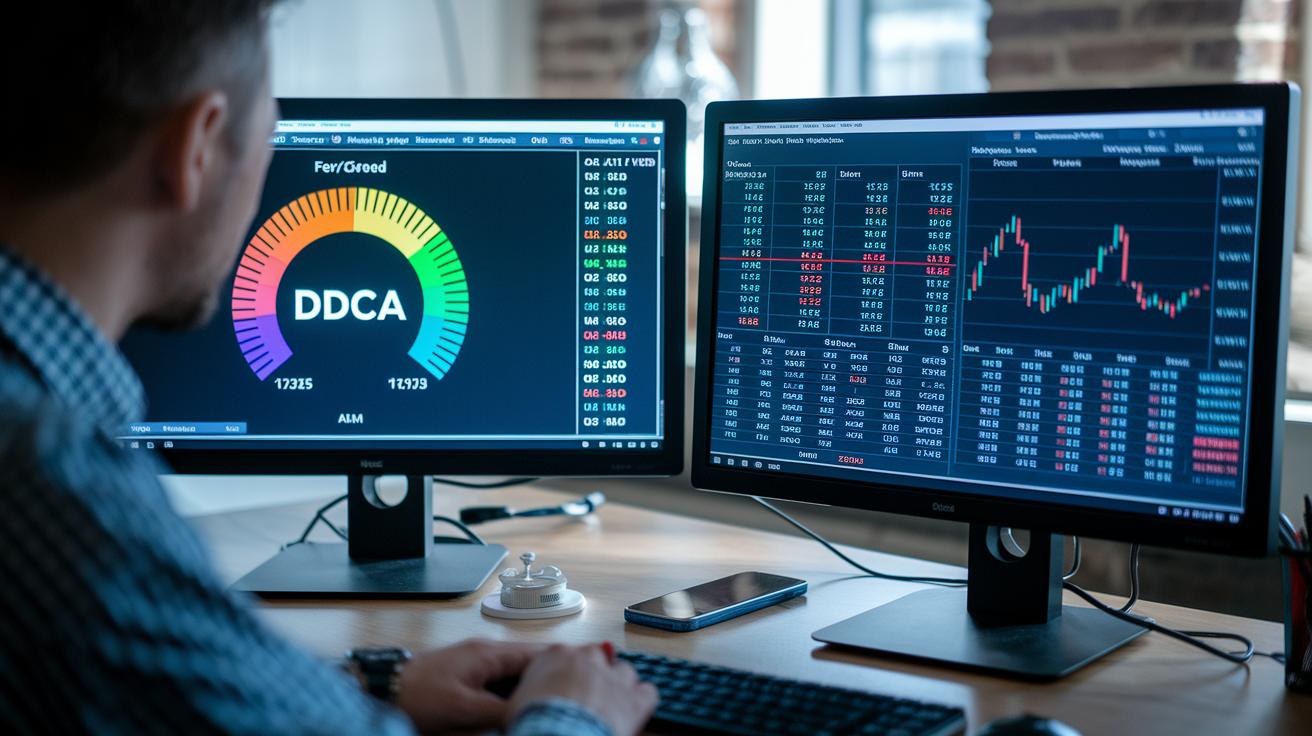
Traders often lean on the saying "be fearful when others are greedy, greedy when others are fearful" to guide their moves in the crypto world. This approach helps them tune into the market’s mood and decide when to buy or sell. They rely on the index, which measures how the market feels, to avoid letting strong emotions take over their choices.
When the index shows Extreme Fear, it signals a time to slowly build positions using a strategy called dollar-cost averaging (which means buying in small amounts over time to reduce risk). On the other hand, if the index hits Extreme Greed, smart traders might take some profits instead, steering clear of a market that might be overheating. Checking the index daily adds a sense of discipline, ensuring decisions come from clear signals rather than quick impulses.
Here are some practical suggestions:
- Use dollar-cost averaging during Extreme Fear to gradually build your position.
- Pair the index signals with technical analysis indicators (tools that help chart market trends) to confirm trends and pick the best times to trade.
- Take profits when the index indicates Extreme Greed to lower your risk when the market is overbought.
- Spread out your investments over various assets to help manage risks during sudden market swings.
By putting these methods into practice, traders aim to keep their decisions free from emotion. They mix steady buying with timely selling while always keeping an eye on the overall market vibe. This balanced approach can help smooth out sharp price swings and keep you on track, even when market moods change quickly.
Where to Access the Crypto Fear and Greed Index Crypto
If you’re scouting for a solid crypto mood indicator, check out the Crypto Fear and Greed Index. Alternative.me has a special page with live readings that capture the current vibe in digital asset markets. You’ll see clear, interactive charts that let you quickly catch how investors are feeling as trends shift.
If you like sticking with familiar tools, you can also add the index as a plugin on TradingView. Big names like CoinMarketCap and Binance feature the index, so you have plenty of options. Some sites even offer handy widgets and alerts, which means you can get updates right when they happen. In short, these easy access points keep you in the loop about the ever-changing digital asset scene.
Limitations and Future Outlook for the Crypto Fear and Greed Index Crypto

The index gives us a quick look at the mood of the market, but it comes with some limits. Right now, surveys are on hold, so the feelings it shows come mostly from things like how much prices jump around (volatility, which means how fast prices change), how many coins are being traded, and what's buzzing on social media. Sometimes, a sudden burst of online chatter can throw off the signals, making them a bit off. Also, since the index mainly tracks Bitcoin (the top digital coin), changes in other digital coins might not be seen clearly. In long bull runs, when the market feels continuously upbeat, the index can miss warning signs hiding behind the steady cheer.
Looking forward, there are plans to mix in more data and make the index even better. For example, future updates might add Ethereum (another big digital asset, known for its smart contracts) along with Bitcoin and serve up improved on-chain analytics (tools that help see activity directly on the blockchain, which is a secure, digital ledger). This would help capture the true shifts in how investors feel, giving a more rounded picture of crypto moods in all kinds of market conditions. Remember, this index is just one tool in your toolbox when checking out the market trends.
Final Words
In the action, we broke down the fear and greed index crypto, unpacking its scoring, data sources, and how it shapes investment tips. We also explored past trends, trading tactics, and tools to stay updated.
This article blends practical insights with honest analysis to help build a strong digital asset portfolio. Every reading of the fear and greed index crypto brings clarity and confidence in your next move. Keep a steady approach and stay positive as you step into smarter investments.
FAQ
Q: What does the Fear and Greed Index live indicate?
A: The Fear and Greed Index live shows current investor sentiment by scoring market mood from extreme fear to extreme greed. It uses real-time data like volatility, volume, and search trends to guide decisions.
Q: How does the Fear and Greed Index crypto TradingView tool work?
A: The Fear and Greed Index on TradingView integrates live sentiment data into interactive charts. It helps traders visualize market mood and refine entry and exit strategies using clear, real-time indicators.
Q: What information does a Fear and Greed Index crypto chart display?
A: The Fear and Greed Index crypto chart displays a score from 0 to 100 that reflects market sentiment. It gathers data from volatility, market momentum, social media, and search trends to offer a clear snapshot of the current mood.
Q: What does the Fear and Greed Index today indicate?
A: The Fear and Greed Index today provides a snapshot of the current market emotion by combining several key data points. It helps investors identify when the market feels overly fearful or greedy.
Q: Where can I access the Fear and Greed Index crypto on platforms like CoinMarketCap?
A: The Fear and Greed Index crypto is accessible on platforms like CoinMarketCap, offering live sentiment updates. It combines multiple data sources to present an instant, clear view of investor emotion.
Q: Is there a dedicated Fear and Greed Index crypto app available?
A: The Fear and Greed Index crypto app offers real-time tracking of market sentiment. It allows users to monitor investor mood on the go and incorporate these insights into their trading strategies.
Q: What does the history of the Fear and Greed Index crypto reveal?
A: The history of the Fear and Greed Index crypto shows how sentiment has shifted over time alongside price movements. Historical data highlights its value as a short-term indicator of market mood.
Q: How does the Fear and Greed Index crypto relate to XRP?
A: The Fear and Greed Index crypto relates to XRP by reflecting overall market sentiment. While its primary focus is on Bitcoin trends, the mood shifts it indicates often impact altcoins like XRP within the broader market context.
