
Ever wonder if a small change could completely flip a bank’s system overnight? Some finance studies show that clever technology updates can really cut costs and make work almost instant.
Take DBX Bank as an example. They took old, clunky routines and turned them into smooth, efficient operations.
In this post, you’ll see real-life examples of how creative updates can lower costs, boost speed, and strengthen security. Stick with us to discover how these changes point toward a smarter future for finance.
Leading Finance Innovation Case Studies: Scope and Criteria

We looked closely at a range of finance innovation case studies that reveal impressive shifts in the banking world. In 2025, we picked 15 standout examples from institutions across the globe. For example, DBX Bank revamped its operations with an AI-powered mobile app and automated tools that handle compliance tasks. As a result, DBX Bank cut costs by 30% and slashed transaction times from minutes to mere seconds. Meanwhile, Atlas Credit Union nearly eliminated downtimes by 90% and boosted personalized services by 25%. Similar wins were recorded at Sterling Bank & Trust and Prosperity Financial Group.
Our picks focused on clear and measurable wins. We looked at key numbers like cost savings, speedier processing times, and stronger security measures. In other words, we zeroed in on digital transformation, smart data use, secure payment systems, and nimble tech deployments. These elements make up what we call digital finance innovation, which you can explore further here: digital finance innovation.
We paid special attention to factors such as cost and time savings, growth in user numbers and customer satisfaction, and boosts in security and compliance. This clear-cut approach sets the stage for a deep dive into a full spectrum of financial innovations. Next, our case studies guide you through everything from updating old banking systems to new fintech breakthroughs.
Digital Bank Transformation Case Profiles

The tech makeover at DBX Bank marks a big change. They moved from outdated routines to a fast, digital approach by upgrading their core system with an AI-powered mobile app and automated compliance software (tools that check rules automatically). This shift cut costs by 30% and shortened transaction times from minutes to seconds. Imagine waiting minutes for a task that now happens almost instantly. Before this change, even simple banking tasks dragged on longer than necessary. DBX Bank's journey shows how smart digital upgrades can boost efficiency right away.
Atlas Credit Union also took some bold steps toward a secure future. They switched to a cloud-based system and used advanced data analytics (methods to turn raw data into clear insights), slashing system downtime by 90% and increasing personalized service uptake by 25%. Their new mobile platform now offers members fast, reliable access to their accounts with an easy-to-use interface. These impressive numbers show how technology can meet real customer needs with simple, practical solutions that build trust.
BBVA embraced mobile banking upgrades and real-time processing by partnering with fintech experts. Their digital refresh led to a 50% increase in active mobile users and a 30% rise in digital sales. Think of it like trading in an old car for a modern ride loaded with the latest safety and performance features. With these changes, traditional systems are revived to deliver speedy and secure transactions every time. This case is a clear sign that digital transformation can set high benchmarks across the board.
Fintech Disruption and Next-Gen Banking Models

Banks are switching up how they connect with you by using smart data and built-in finance tools. Take Revolut for instance; this neat neobank used big-data analytics, which is just a fancy way of saying they sift through lots of info, and agile development to keep improving fast. Believe it or not, this fresh approach cut fraud by 40% and even boosted user growth by 50% year-over-year. It’s a clear sign that smart data use can both secure your money and push growth at the same time.
Fintech Federal Credit Union also rethought mobile banking by adding fingerprint checks (using your fingerprint as a secure pass) and sprucing up payment features. Their new setup led to a 60% jump in active mobile users and a 30% rise in transactions. Imagine swapping out an old lock for a modern fingerprint door, it makes banking not only safer but also a lot more convenient.
Then there’s Bangor Savings Bank, a trusty community bank with 172 years under its belt. By embracing built-in finance solutions, they mixed a classic service style with today’s digital savvy. Their move shows that even long-standing banks can catch up with tech trends to meet modern customer needs.
In short, these changes prove that technology is shaking up the world of banking. With fewer fraud incidents and more happy users, it seems like the future of banking is not just smart, but also really secure and user-friendly.
Blockchain Integration Narratives in Financial Services

Blockchain technology is changing how financial services make transactions. It replaces old record-keeping methods with a secure digital ledger (a digital notebook that everyone trusts), making things faster and more accurate.
Take Prosperity Financial Group as an example. They began using their own blockchain system for transactions. Settlements are now done 40% faster, and processing errors have dropped by 50%. Imagine a check that once took minutes to clear now finishing in seconds. It really shows how a small digital upgrade can have a big impact. Imagine a bank where processing mistakes are cut in half and transactions move nearly twice as fast!
Ant Financial Services, known for its Alipay platform, combined blockchain with AI-powered credit scoring (a tool that uses computer algorithms to assess credit risk). This mix not only improved security for transactions but also made banking simpler for everyday customers in China. Their approach transforms ordinary banking experiences by making them safer and more accessible.
These real-life stories prove that blockchain is much more than a buzzword. The clear gains of faster settlements and fewer errors show that this technology works well. Learn more about the impact of blockchain on digital finance and how it is setting a new standard for financial performance.
AI-Driven Automation and Credit System Innovations

At Union Financial Services, the bank started using AI chatbots and virtual assistants that completely changed how customers get help. Instead of waiting around, customers now get quick answers, almost like asking, "How do I check my balance?" and hearing back in seconds. This smart move cut response times by half, boosted customer satisfaction by 35%, and even helped the bank keep 20% more clients. It shows that even traditional institutions can get a new spark from modern technology.
Quantum Bank gave its loan process a major upgrade with an AI-powered platform that speeds up every step. What used to take days now happens in mere hours, processing times dropped by 70%! With decisions moved along so quickly, the bank lowered default rates by 15% thanks to smarter risk checks. It’s like they reimagined loan decisions to be as quick and safe as checking your email.
Global Investment Partners took a different approach by adding predictive analytics and a centralized data system into their credit process. This change improved forecast accuracy by 40% and cut decision-making time in half. Imagine making decisions with data that feels as fast as your thoughts. This boost in efficiency means the firm can quickly adjust to market shifts, keeping them nimble and ready for whatever comes next.
In short, these real-world examples prove that smart technology can make a big difference. By using advanced AI and automation, banks can offer faster, friendlier service and create safer credit systems that adapt to the fast pace of today’s markets.
Comparative Outcomes and Strategic Insights from Finance Innovations
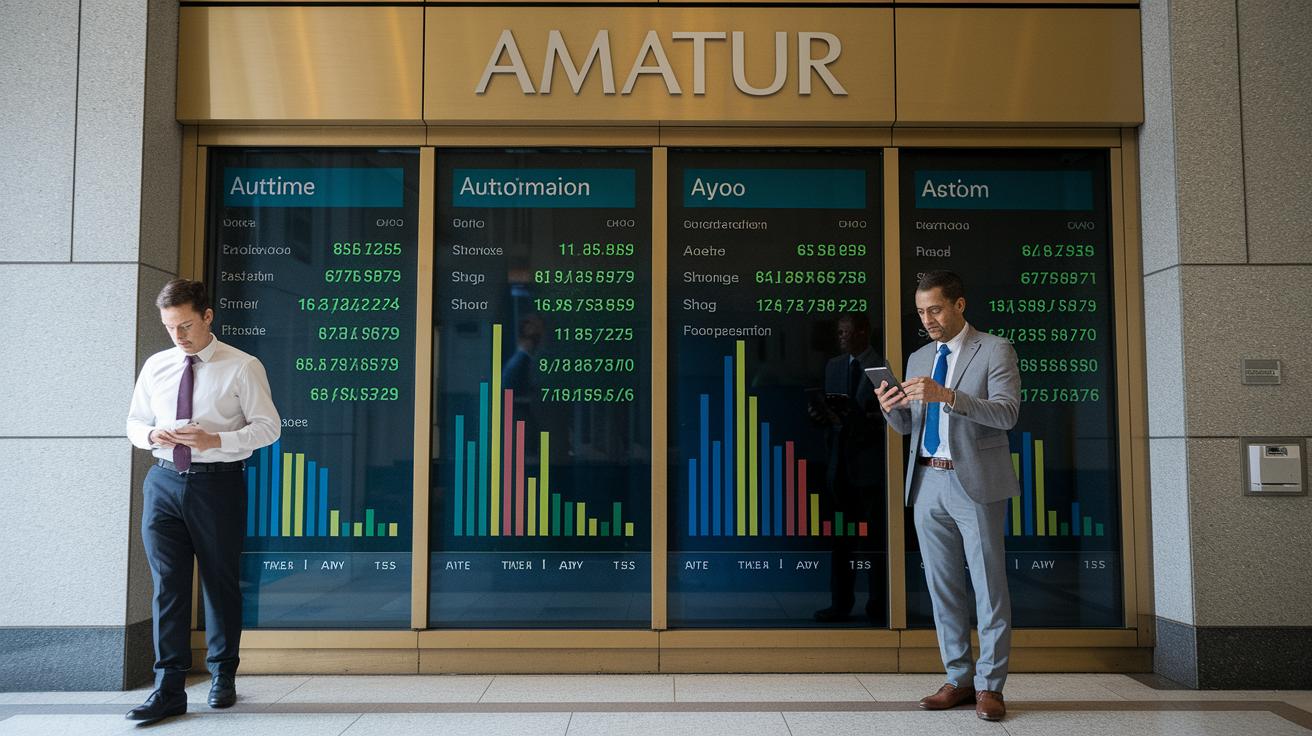
Some examples here show new ways finance companies can change how they work. We’re not just repeating old achievements; we’re looking at the smart choices behind each project. For instance, picture a bank that speeds up its routine tasks. It not only cuts costs but also raises the standard for service.
| Institution | Innovation Type | Strategic Implications | Implementation Approach |
|---|---|---|---|
| DBX Bank | Basic system and RPA (tools that automate simple tasks) | Helps work run smoother and saves money | Mixes tried-and-true tech with current systems |
| Prosperity Financial Group | Blockchain processing (a secure, digital ledger) | Builds trust and cuts down mistakes | Matches careful data handling with compliance rules |
| Union Financial Services | AI chatbots (computer programs that simulate conversation) | Changes how customers interact and get support | Makes communication channels smoother |
| Quantum Bank | AI-powered loan origination (using smart tech to process loans) | Boosts risk checks and speeds up decision-making | Uses predictive analytics to get faster approvals |
Key strategic insights:
- Finance leaders can gain a lot by aligning tech projects with their main business goals.
- Different methods show the trade-offs between smoother operations and happy customers.
- Dramatically cutting process times can change how customers see their bank.
- Overall, mixing automation with smart data analysis gives firms a real edge.
Final Words
In the action, this article walked through finance innovation case studies showcasing digital bank transformation, fintech disruption, blockchain integration, and AI automation. We saw how DBX Bank, Revolut, and others achieved quicker transactions, better customer service, and sharper decision-making, all by embracing digital strategies.
Each case revealed actionable results that speak to robust portfolio diversification and risk management. This is a smart path forward, inspiring us to invest with outlook and clear focus.
FAQ
What is finance innovation case studies pdf?
The finance innovation case studies pdf provides a handy resource of global examples that capture modern digital transformation efforts and measurable industry advances.
What does the free finance case studies with solutions PDF offer?
The free finance case studies with solutions PDF offers practical examples with detailed outcomes like cost savings and quicker processing, making it a useful guide for finance professionals.
What information is included in a finance case study PDF?
The finance case study PDF encapsulates key financial initiatives, showcasing improvements in efficiency, security, and customer service within various financial institutions.
How does the fintech case study PDF help explain innovation?
The fintech case study PDF highlights technological breakthroughs in finance, detailing changes such as fraud reduction and rapid user growth driven by smart, agile development.
What can be learned from business case studies with solutions PDF?
The business case studies with solutions PDF merges finance and operational examples, offering clear insights into digital innovation and the measurable performance gains that result.
What does a case study on financial management PDF examine?
The case study on financial management PDF reviews approaches to streamline processes, reduce costs, and boost service reliability in a range of financial institutions.
What is featured in the Stanford case studies PDF?
The Stanford case studies PDF presents academic insights paired with real-world financial innovation examples, sharing thoughtful analyses on digital banking and strategic transformations.
What is the focus of a finance case study competition?
The finance case study competition challenges teams to assess real-world innovations, emphasizing measurable outcomes like shortened processing times, lower costs, and improved customer satisfaction.
