
Have you ever wondered if today's risk management can outsmart a crisis? In our busy world, an unexpected cyber attack or a surprise supply hiccup can hit without warning. Companies today use clever tools like machine learning (tech that lets computers learn from data) and IoT sensors (gadgets that give real-time updates) to catch these warning signs early.
These smart techniques turn heaps of raw data into clear signals, so teams can jump into action before little problems turn into big headaches. This fresh approach not only protects important assets but also keeps progress steady in a market that’s always shifting.
Innovative Approaches to Risk Management: A Comprehensive Overview

Today's business world faces risks from all sides, such as cyber attacks, data breaches, environmental issues, and supply-chain hiccups in fast-paced markets. Companies now lean on smart tools like data analytics (using numbers to spot trends) and machine learning (computers that learn from data) to catch problems early. Real-time gadgets, including IoT sensors (devices that stream live data) and AI, help build a "predict and prevent" approach that stops issues before they grow. In a setting this dynamic, creative backup plans let firms prepare with forward-thinking steps.
Modern companies are leaving old reactive methods behind and embracing a system that keeps a constant eye out for surprises. They turn raw data into clear, practical solutions that match their big-picture goals and help everyone stay on the same page. This shift means risk management keeps pace with new threats as they come. By investing in these innovative tech strategies, companies move from simply responding to crises to preventing them with smart, data-driven moves.
- Machine learning for spotting risks early
- IoT sensor networks for real-time updates
- Blockchain ledgers (secure, digital records) for auditability
- Scenario-planning exercises
- Integrated platforms for clear data reporting
- AI-powered checks to catch unusual activity
Together, these modern approaches strengthen a company's ability to catch problems before they escalate. With ongoing monitoring and accurate guesses about what might happen next, leaders can fine-tune their strategies, protect their assets, and drive steady growth. In short, these creative backup plans are crucial for thriving in a constantly changing market.
Technology-Driven Risk Management Techniques: From AI to IoT

Today, companies are leaning on smart tech like advanced analytics, AI engines, and IoT sensors (devices that give real-time updates) to keep an eye on risks. This is like having a friendly watchdog that instantly notices anything odd using cloud dashboards. Instead of waiting for days, alerts now pop up in minutes.
These tools give fast, clear insights and catch risk patterns that old, manual methods might have missed. In short, even issues like supply-chain hiccups or compliance bumps can be sorted out more smoothly. Companies are finding that these modern systems help streamline the whole risk game.
| Technology | Risk Type Addressed | Benefits | Example Use-Case |
|---|---|---|---|
| Machine Learning Forecasting | Cyber and Market Risks | Early warnings by spotting data trends | Flagging potential fraud incidents |
| IoT Sensor Monitoring | Supply-Chain and Environmental Risks | Instant, real-time data updates | Tracking temperature and shipment status |
| Blockchain Auditing | Compliance and Operational Risks | Secure, unchangeable records | Verifying transaction histories |
| Cloud-Based Dashboards | Operational and Strategic Risks | Clear visuals that update fast | Aggregating risk metrics from many sources |
| Real-Time Anomaly Detection | Cyber Insurance and Environmental Risks | Automated alerts for unusual patterns | Catching odd network activities |
Each of these innovations has its ups and downs for risk teams. Machine learning forecasting, for instance, gives a head start in spotting trouble by reviewing past and present data. Meanwhile, IoT sensors keep a constant watch, offering updates that help teams act right away. Blockchain creates a safe, traceable record, and cloud dashboards turn complex numbers into simple visuals. And with real-time anomaly detection, smart AI flags off any odd changes automatically. By putting these tech tools to work, companies can build a solid risk management plan that stands strong against challenges.
Contrasting Innovative Techniques with Traditional Risk Management

Traditional risk management relies on manual registers, regular reviews, and set controls that follow a strict schedule. These routine checks count on fixed numbers and scheduled audits, which can miss new risks that pop up between cycles. This approach takes a lot of time for documentation and doesn’t leave much room for quick changes. Many companies find that these older systems just can’t keep up with today’s fast-changing challenges.
Modern, data-driven models take a very different approach. They use live data feeds and smart prediction tools to keep an eye on risks all the time. This method can detect problems around 40% faster than traditional methods. With tools that adjust to changing conditions in real time, businesses can manage risks better and bring down costs. This proactive system not only speeds up detection but also gives sharper insights while lowering management expenses and boosting the ability to handle new threats.
- Quick detection
- Clear insights
- Lower management costs
- Flexibility to handle new risks
By adopting these real-time approaches, companies can shift from a reactive stance to a more resilient, proactive strategy.
Implementation Frameworks for Innovative Risk Management Approaches

-
Risk Identification
In this first step, we look for any areas where problems might emerge. You check market trends, ask team members for their insights, and list any potential troubles. By the end of it, you'll have a clear record of risks and rough estimates of their impact. Simple tools like market reports and early data checks help guide this process, led by your dedicated team. -
Quantitative Assessment
Next, we put numbers to these risks. This means using basic statistics and simple models to figure out how likely each risk is and how big a hit it might deliver. The goal here is to come out with clear scores and a list showing which risks matter most. Data experts typically handle this step using tools like basic charts and simulations to keep the process fair and straightforward. -
Strategy Design
Now it’s time to decide what to do about these risks. Managers work to create plans that might reduce, transfer, or even accept each risk based on its size. The outcome is a simple risk roadmap that shows what to do, when to do it, and what resources are needed. Common techniques, such as SWOT analysis (which reviews strengths, weaknesses, opportunities, and threats), are useful here. This step is a collaboration between strategic planners and risk leaders to make sure the plan fits the overall business goals. -
Execution of Controls
After planning, you put the risk strategies into action. This involves setting up control measures, using tech for real-time checks, and training everyone on the plan. The expected results are active controls and an updated list of risks. Handy tools like checklists and automated systems can simplify this stage, which is usually managed by operations and compliance teams. -
Continuous Monitoring
The final step is to keep an ongoing watch on everything. Regular checks, performance tracking with key numbers, and feedback sessions help refine the risk process over time. You might use cloud dashboards and real-time alerts for this purpose, ensuring the system stays sharp as markets and regulations change. A dedicated monitoring team often takes the lead here.
These five steps work together to keep risks in check while aligning with your business goals. They help boost clarity and support smart, well-informed decision-making.
Case Studies Demonstronstrating Innovative Risk Management Techniques
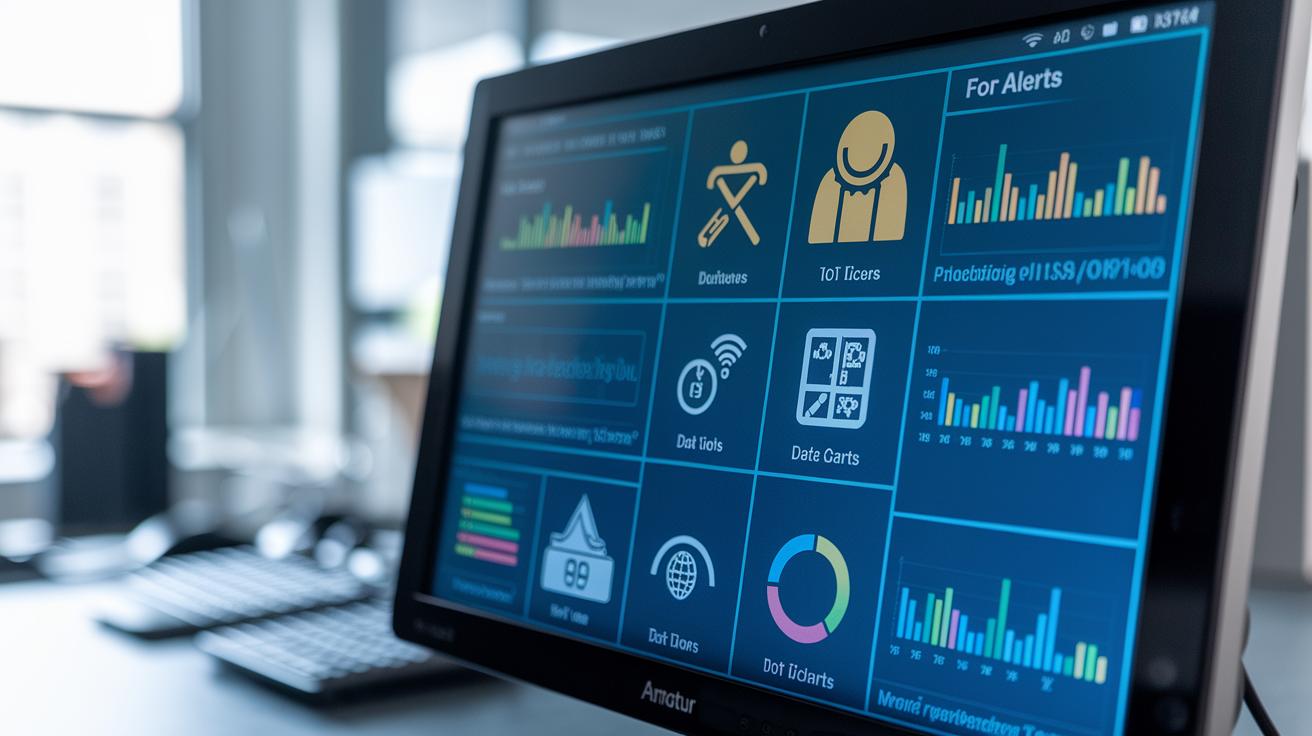
In one example, a large global bank used machine learning (a type of computer system that learns and improves on its own) to spot fraud. This change helped the bank reduce losses by 30% in 2023. They used live data and smart analytics to catch problems faster and react quicker, which saved a lot of money. After May 31, 2024, the bank shifted from just reacting to problems toward using technology that prevents issues before they occur.
Another case features a leading manufacturing company that put IoT devices (small gadgets that connect to the internet) throughout its supply chain to keep track of risks. These sensors provided real-time updates and cut disruptions by 20% in just six months. This method mixes current tech with smart decision-making, much like the bank’s approach. In the steel industry, 30 years of know-how teamed with expert AI guidance made operations stronger. Both examples show that modern risk management really works.
Overall, these studies prove that using modern technology makes risk management faster and smarter. When companies combine tools like machine learning, IoT, and AI insights, they not only boost their defenses but also achieve a more efficient, data-driven operation.
Actionable Insights and Tools for Applying Innovative Risk Management Techniques
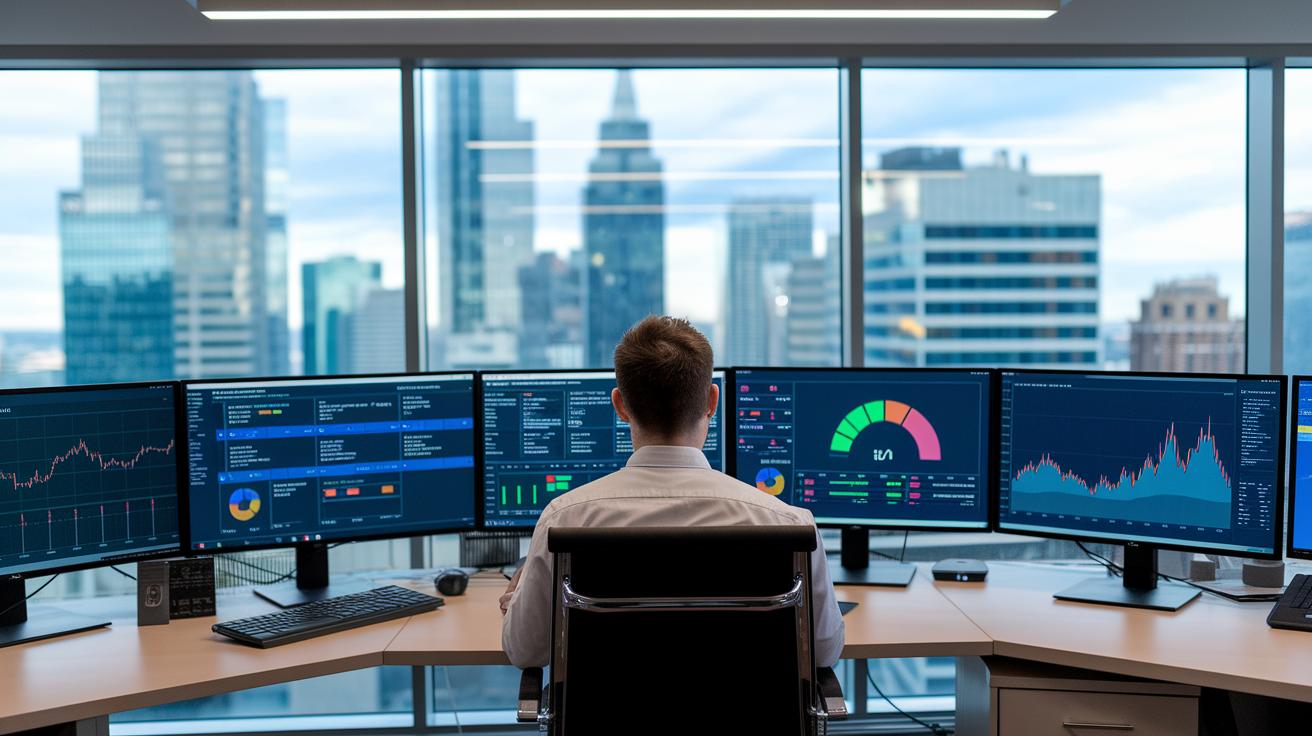
Risk management is evolving fast, and today’s strategies help you navigate uncertain times like never before. Companies now lean on four main ways to stay ahead. First, risk simulation software lets you try out different strategies in a virtual setting, much like rehearsing a play before the big performance. Then there’s scenario planning software, which builds practical forecasts to guide your next steps. Cloud-based dashboards pull together key numbers in one easy view, and open source monitoring scripts paired with reporting tools simplify how you track and share data.
If you want to boost your skills even more, check out the ARM™ certification program. It’s designed to give you hands-on experience in strategic risk assessment. All these tools work together to create a strong framework, helping you make smart moves when things get unpredictable.
- Risk simulation software
- Scenario analysis platforms
- Cloud-based risk dashboards
- Machine learning toolkits
- ARM™ certification program
- Open source monitoring scripts
- Integrated reporting modules
When picking the right tools, consider what your own team truly needs. Smaller companies might find user-friendly cloud dashboards and open source solutions perfect because they don’t need a huge crew to run them. On the other hand, larger firms could benefit more from advanced simulation platforms and scenario analysis to support more intricate plans. For industries that face rapid market shifts, these modern routines offer just the agility required to make swift decisions. And if you’re in a heavily regulated sector, combining ARM™ certification with integrated reporting ensures everything meets required standards.
Ultimately, the right mix of tools depends on your company’s size, industry, and risk profile. Balancing smart tech with your unique needs sets you up to handle challenges confidently, keeping you a step ahead in a fast-changing world.
Final Words
In the action, this post highlighted modern risk controls, from real-time IoT monitoring and AI insights to structured frameworks that move beyond manual methods. It reviewed tech tools, case studies, and a step-by-step approach that speaks to the evolving needs of digital asset portfolios.
By embracing innovative risk management techniques, investors can confidently adjust their strategies and stay ahead as market trends shift. This smart blend of data and hands-on methods helps secure diversified investments and builds a more resilient future.
FAQ
What is innovative risk management?
Innovative risk management means using modern tools like AI and IoT sensors to predict and reduce risks before they occur. It shifts focus from traditional, reactive methods to proactive strategies.
What are some advanced risk management techniques and examples?
Advanced risk management techniques include machine learning for early risk prediction, IoT for live data tracking, blockchain for clear audit trails, and scenario planning to prepare for different outcomes.
What are the four types of risk management techniques?
The four types usually include qualitative analysis, quantitative evaluation, scenario planning, and integrated data reporting. Each approach helps you better understand and control various risks in your organization.
What are the 5 best practices for risk management?
The best practices involve early risk identification, using data analytics, applying real-time monitoring, using digital tools for control, and regularly reviewing and updating risk measures.
Where can I find PDFs on innovative and insurance risk management techniques?
PDFs on risk management techniques, including those specific to insurance, can be found by searching terms like “innovative risk management techniques PDF” and related phrases on reputable finance and risk management resource sites.
