
Ever think about why using paper ledgers feels so slow these days? In the past, every transaction took extra time and a lot of careful work, but now digital tools can give you answers almost instantly. This change from old-school methods to new, smart technology shows how blending trusted techniques with modern speed can completely change the way we handle money. Today, we’re taking a look at both the classic and modern ways of dealing with finance, showing you how combining their best parts can lead to a faster, clearer, and more efficient future.
How Traditional vs Modern Finance Approaches Compare

Traditional finance started with paper ledgers and manual transactions that go back to the 1920s. It was built on careful oversight and routine work. Decisions took longer because people had to check everything by hand, and it was not always clear what was happening with the money.
Modern finance, on the other hand, takes advantage of today’s technology. It uses cloud-based management, blockchain (a secure, digital ledger), AI, robotic process automation, and shared-service centers. Everything happens faster, and you get real-time insights that help adjust quickly when markets shift.
Below is a side-by-side look at some key differences between the two approaches:
| Category | Traditional Finance | Modern Finance |
|---|---|---|
| Processes | Manual, paper-based ledgers | Automated, cloud-powered workflows |
| Technology | Old systems and manual entries | Blockchain, ERP integration, AI/RPA |
| Risk Management | Centralized checks done periodically | Real-time monitoring with dashboards |
| Payments | Paper checks and in-person transactions | Digital payment systems and online transfers |
| Decision Speed | Slower because of manual processing | Quick insights from automated systems |
This comparison shows that while traditional finance values stable, careful steps, modern finance is all about speed, openness, and flexibility. Just think of a company that moved from days of slow manual work to instant, data-driven decisions. It’s a big leap that can make all the difference in a fast-moving market.
Historical Foundations of Traditional Finance

In the early days of finance, people tracked money using paper and pen. Back then, errors in handwritten ledgers could create a domino effect, forcing teams to work long hours to fix even a tiny mistake.
Central banks kept a very close eye on things, and lending practices followed strict, age-old rules. Banks managed funds with careful manual checks, meaning every choice passed through several layers of oversight. CFOs relied on just a few tools, sticking to time-tested credit standards and traditional treasury methods.
These hands-on, error-prone techniques not only shaped early lending practices but also set the stage for the modern digital finance systems we have today.
Factors Driving the Transition from Traditional to Modern Finance

Modern finance has grown thanks to big tech leaps and global economic shifts. Back in 1985, the launch of Microsoft Excel changed the game by using formulas to speed up planning. Before Excel, teams spent hours crunching numbers by hand, now, that work takes just seconds. Global trade, offshoring, and the need for organized back-office solutions made companies centralize processes that were once all over the place. With cloud computing and all-in-one ERP systems (ERP stands for enterprise resource planning, which means a system that brings all parts of a company together), businesses could cut extra steps and make faster decisions. For more details on how these tools reshaped things, visit https://nftcellar.net?p=152.
Automation also played a huge role in this new era. With robotic process automation (RPA, a technology that automates routine tasks), machine learning, and AI, routine work got taken off teams’ plates. Imagine having a tireless helper always ready to spot trends in a mountain of data. This automation brings real-time insights and smooths out communication across teams. As a result, finance departments can quickly adapt to market shifts while keeping costs low and accuracy high. All these factors, economic, organizational, and technological, have paved the way for a flexible, data-driven financial system that helps everyone make smart, speedy decisions.
Benefits and Drawbacks of Traditional and Modern Finance

When we compare old-school finance with modern methods, it's like looking at two different ways to get the job done. Traditional finance relied on steady rules and old-fashioned checks. Think about a time when every transaction needed extra hands to verify, accountants would spend hours just ticking boxes. This reliable method ensured everything matched up, but it also meant slower processes and fewer real-time updates.
Modern finance, however, is all about speed and automation. Imagine a team that gets instant alerts about market shifts, pretty neat, right? With automated reporting and data-driven risk management (that means using tech to check for potential problems), decisions can be made on the fly. Still, even these systems aren’t perfect; they face challenges like cyber risks, higher set-up costs, and rules that are still catching up to the rapid changes.
| Criteria | Traditional Finance | Modern Finance |
|---|---|---|
| Regulatory & Compliance | Stable oversight with time-tested practices | Real-time operations with evolving regulations |
| Transaction Speed | Slower processing due to manual operations | Rapid payments through automation |
| Risk & Visibility | Limited real-time insight and rigidity in capital allocation | Automated, data-driven risk management (using tech to spot potential issues) |
| Cost & Efficiency | High processing costs from outdated systems | Higher upfront expenses and challenges with cyber security |
In short, traditional methods offer tried-and-true reliability, while modern systems push for speed and instant information. Each has its benefits and hurdles, so the best choice really depends on what fits your needs today.
traditional vs modern finance: A Bright Future

Integrated data lakes have become the go-to hub for financial data. They gather information from many sources to create a clear picture in real time. Think of it like a pilot checking all the instruments during a flight to stay on course.
Digital asset tokenization is changing how we invest. By turning physical assets into digital tokens that trade on secure blockchain platforms (a blockchain is like a digital ledger that keeps data safe), companies are now letting people own fractions of big assets. Imagine owning a tiny piece of a big property, just like having one piece of a giant puzzle.
Advanced AI and RPA (that means Robotic Process Automation, which uses software to handle routine tasks) are now working with these data lakes. One company went from doing all the work by hand to using these smart tools, similar to upgrading from a manual control to an autopilot system.
| Technology | Impact |
|---|---|
| Integrated Data Lakes | Boost real-time analysis for quicker, informed decisions. |
| Digital Asset Tokenization | Changes ownership by allowing fractional investments in high-value assets. |
Risk and Regulatory Shifts from Traditional to Modern Finance

Traditional finance was all about paper and hands-on controls. Back then, people relied on printed ledgers and manual checks under strict central bank oversight. Every transaction went through several reviews, much like carefully reading each line of a printed record to catch any mistakes.
Modern finance, however, has taken a big leap forward. Today’s systems use smart tools that track risks as they happen. They rely on API-based reporting (which allows different software to share information automatically) and live dashboards, imagine a control room with screens that refresh every second, alerting you to issues right away.
This move from old-school paper checks to digital controls has also meant more adaptable rules. With digital currencies and open banking (where banks share customer data securely), risk management can handle data from all over the world. In short, real-time monitoring replaces the everyday use of paper, giving a clear and fast view of financial risks.
Ultimately, these changes not only speed up oversight but also bring a transparent look at how money flows in today’s digital age.
traditional vs modern finance: A Bright Future
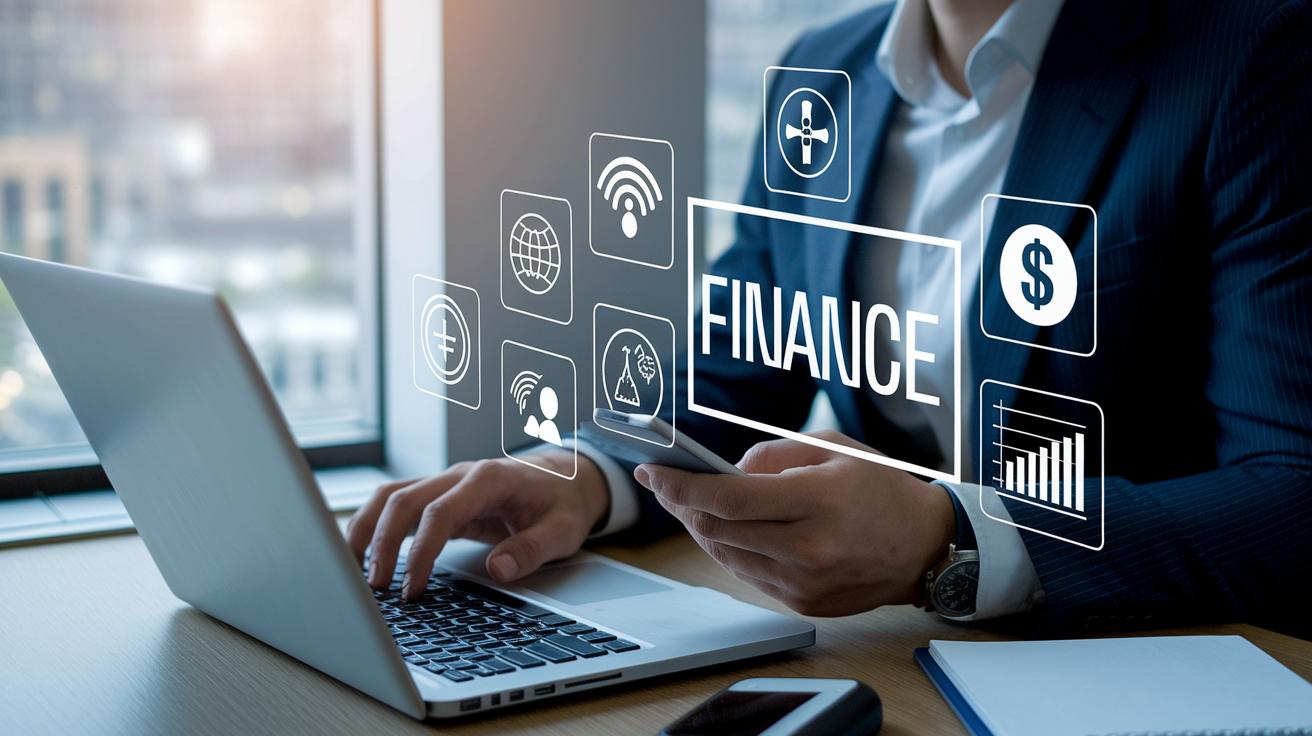
Today, money management is shifting away from old-school number crunching and monthly spreadsheet reviews. Instead, companies are using smart planning and live data dashboards that show real-time insights into financial health. Think of it like having a pulse on your business with cloud-based tools and finance services that are built right in. Not long ago, budget reviews meant waiting for one update a month. Now, instant insights are the norm.
At the same time, decentralized finance, or DeFi (an approach where digital platforms let you borrow and spend without relying on central banks), is blending with traditional credit systems. Automated smart contracts are replacing manual paperwork, turning everyday invoices into self-running digital agreements.
Meanwhile, asset digitization is blurring the lines between conventional finance and digital tokens. This mix brings together the stable parts of old finance with the quick, modern twists of new technology. In short, it’s paving the way for smart, next-generation money management that bridges trusted traditions with bold innovation.
Final Words
In the action, we explored how traditional vs modern finance differ on key fronts like transaction speed, technology, and risk oversight. We traced the journey from paper-based systems to smart, tech-driven operations and discussed the benefits and challenges each approach brings.
This article broke down everything from historic financial methods to tech enhancements shaping the future. The insights help build a solid, diversified digital asset portfolio and spark confidence in your evolving financial strategy.
FAQ
Q: What is the difference between traditional finance and modern finance?
A: The difference between traditional and modern finance is that traditional systems use paper-based ledgers and manual transactions, while modern finance employs cloud computing, blockchain, and AI to speed up transactions and boost transparency.
Q: What is meant by traditional finance?
A: The term traditional finance means relying on long-established methods like physical record-keeping and manual operations, rooted in practices that have guided financial systems for decades.
Q: How does traditional finance compare to behavioral finance?
A: The comparison between traditional and behavioral finance shows that while traditional finance depends on strict, quantitative models, behavioral finance considers human emotions and biases to explain financial decisions.
Q: What does the term “financial plan” mean?
A: The meaning of a financial plan is a detailed outline of goals, income, expenses, and strategies that helps manage money and guide saving and investment decisions over time.
Q: What are the functions and objectives of financial management?
A: The functions and objectives of financial management include planning, organizing, directing, and controlling funds to allocate resources wisely, manage risks, and support company growth and stability.
Q: What do PDFs on traditional vs modern finance and financial management approaches cover?
A: PDFs on these topics typically explain how older methods using manual practices differ from tech-driven approaches, outlining strategies in budgeting, risk oversight, and resource allocation for both established and innovative financial systems.
