
Have you ever thought your smartphone could do more than just call or text? Digital finance in growing markets is sparking change in ways you might not expect.
Picture a small store owner who can get money with just a few taps to help boost their business. Or imagine a hardworking farmer who gains access to cash exactly when needed. More than 1.4 billion people, who once had no access to regular banks, now have a safe way to manage their money.
This shift is changing everyday trade and giving communities real hope for a better future. Curious to see how these mobile tools are transforming lives? Keep reading.
Realizing digital finance potential in emerging markets
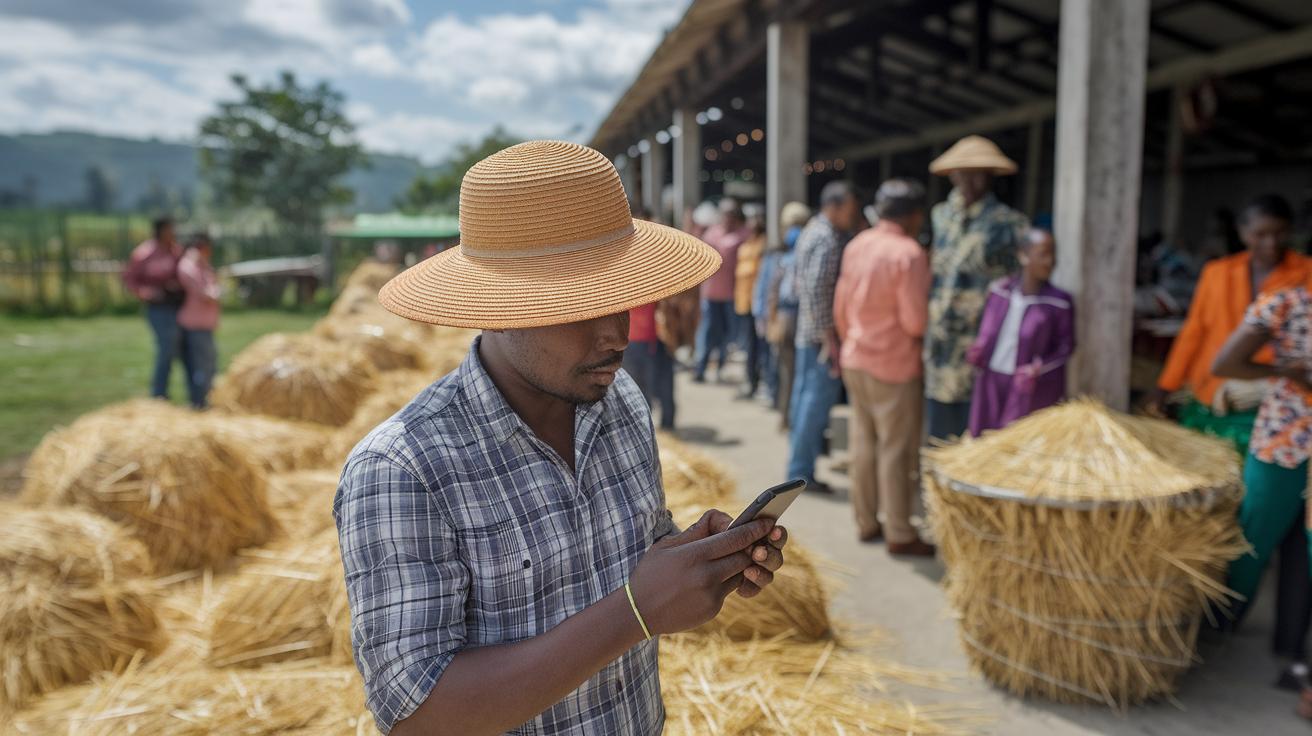
Digital finance is changing the game in emerging markets. Imagine a world where your mobile phone helps boost a country's economy by trillions in the next ten years. With digital platforms, getting money is as simple as a few taps. Think of a farmer, busy during the harvest season, using a mobile app to secure the funds needed right away, this is truly a new way to do business.
Fintech is opening doors for many people who never had access to traditional banking. Over 1.4 billion unbanked individuals are now being linked to financial systems. Mobile credit makes it easier for small shops and businesses to get the money they need, helping them grow and thrive. For instance, a local retailer might use mobile credit to stock up for a busy season, changing how daily operations work. This approach not only boosts local economies but also builds stronger bonds between banks and businesses.
Mobile technology is also breaking down old banking walls. Tools like tap-to-pay and digital wallets let people make everyday purchases without visiting a branch. Smartphone banking offers fast responses and better service, creating a speedy flow of cash in areas that used to lag behind. Every tap and swipe on a mobile device helps drive community progress and smarter money management. Picture a shopkeeper who gets an instant alert on their phone, it's a clear sign that digital tools are reshaping daily trade, quickly and effectively.
Mobile and Contactless Digital Finance Infrastructures in Emerging Markets

Smartphone Banking Platforms
Smartphone banking gives you quick access to your money. With an app-based bank account, you can easily manage transactions and handle bill payments anytime you need. It’s like having a mini-bank right in your pocket.
E-wallet and Mobile Wallet Services
Digital wallets are designed to store your cash safely. They make managing your funds straightforward, especially in places where traditional banks are hard to find. Think of it as a secure digital purse that keeps your money right at your fingertips.
Contactless POS and Tap-to-Pay
Tap-to-pay systems and NFC terminals make buying things fast and secure. Payments are processed quickly, so you can complete transactions without the hassle of swiping a card or carrying cash. It’s a smooth, modern twist on everyday shopping.
Digital Remittance Networks
Digital remittance networks lower fees and speed up money transfers across borders. This is a big help for migrant workers who need to send money back home. By cutting down on extra costs, even a small amount can make a real difference for families.
Regulatory frameworks and governance for digital finance in emerging markets

Regulators worldwide are working to mix digital finance with strong public systems. In the UK, a government office is exploring how digital money (money you use online) can work hand in hand with public services. This research is building clear, trustworthy rules that help everyday users and companies feel confident in online banking.
In the Asia-Pacific region, 16 places have accepted open platform banking reforms. These reforms let banks securely share customer data, making it easier for money transfers and payments to happen smoothly. Even though emerging market countries set their own rules, the goal is the same: building connected systems that support safe and efficient digital transactions. This common approach helps local businesses access reliable financial services when they need them.
Governance in online finance is also evolving. More firms are adopting automated compliance tools (software that checks if rules are followed) to manage digital money operations. This progress makes online finance not only simpler but also safer for everyone involved.
Case studies of digital finance innovations in emerging markets

Asia MSME Digital Lending Survey
A recent survey in Asia explored digital lending among over 800 small and medium businesses in seven emerging markets. These businesses tapped online lending systems to secure quick funds for paying suppliers, buying raw materials, or handling sudden cash flow needs. It’s really interesting to note that 80% of these companies experienced a noticeable boost in performance after switching to digital platforms. Imagine a small retailer quickly restocking shelves thanks to a digital loan, that small change can signal a huge fintech revolution in emerging economies. This case shows how digital finance (a system that helps manage money online) is turning everyday challenges into opportunities by offering much-needed financial support.
Pakistan’s U Bank Microfinance Model
In Pakistan, U Bank shines as an example of how tech-driven microfinance can work wonders. The bank expanded its reach from covering only 21% of the population to serving over 400,000 clients, mainly across 300 branches in rural areas. They managed to grow their loan portfolio five times by combining online lending with peer-to-peer credit networks, a way of borrowing and lending directly between people. Picture a family in a small village starting a business with a microloan, sparking local change with affordable digital lending options. This model demonstrates how smart financial tech can meet urgent needs and pave the way for long-lasting growth.
| Region | Users or Clients | Performance Impact | Primary Challenges |
|---|---|---|---|
| Asia MSME Survey | 819 MSMEs | 80% performance boost | Short-term capital needs |
| Pakistan U Bank | 400,000+ clients | Loan portfolio grew fivefold | Reaching rural communities |
Digital finance in emerging markets sparks growth
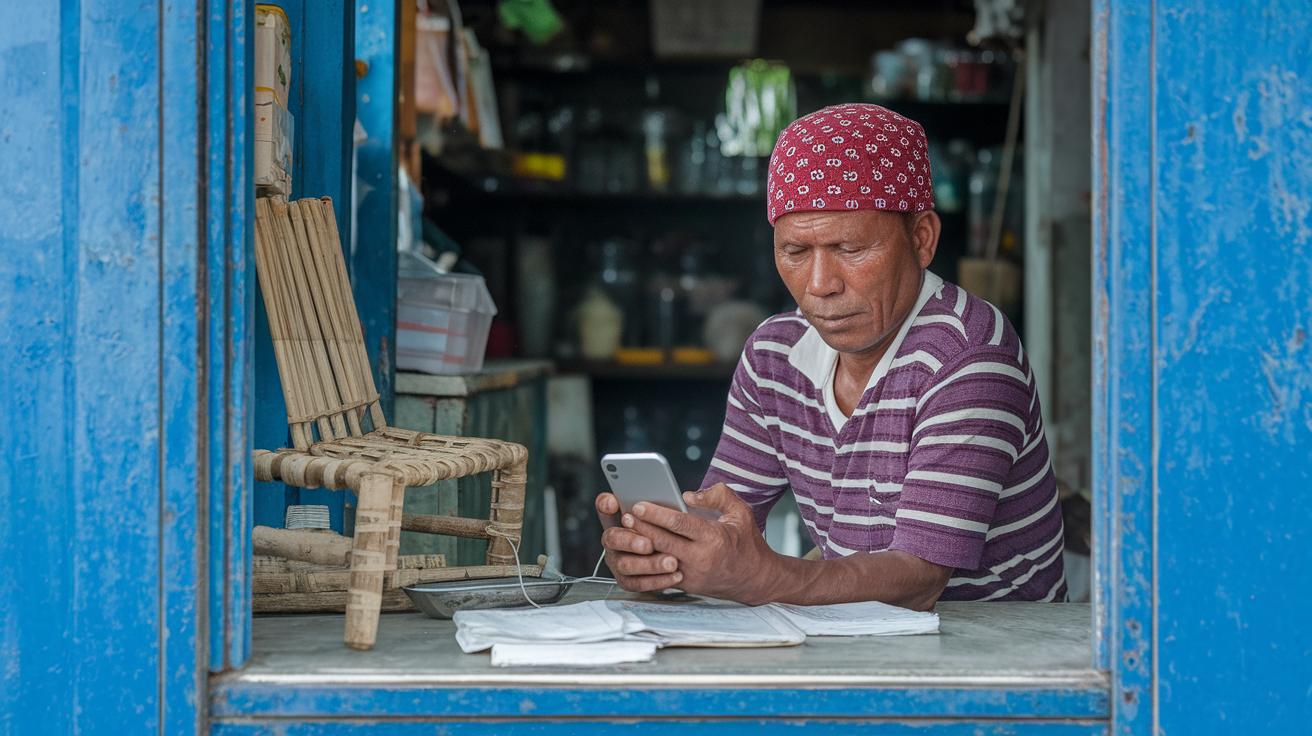
Digital finance is changing the way businesses operate every day. But many small and medium-sized enterprises still face hurdles when they try to use these new digital tools. Many owners struggle with using digital devices and understanding online banking systems (online banking lets you manage your money over the internet). They often get stuck with low digital skills and unclear borrowing terms, which can put their businesses at risk.
Most digital loans are small and meant for urgent needs rather than long-term growth investments. At the same time, keeping online banking secure and building strong identity checks for payment apps is very important. For emerging markets to build digital credit systems that can grow and hold up to cyber threats (cyber threats mean risks from hackers or digital fraud), these challenges need to be faced directly. Focusing on safe technology and clear communication can help build trust and make digital finance more reliable.
Here are the top challenges that need to be addressed:
- Low tech literacy among users
- Gaps in data security and identity checks
- Uncertain regulations and complex compliance rules
- Small loan sizes that limit growth investments
- Unreliable infrastructure in rural areas
Investment trends and growth prospects for digital finance in emerging markets
Investor interest in payment apps and tech banking is soaring. Digital finance is creating fresh funding paths that pull in both venture capital and private money. Recent research hints that these innovations could add roughly $3.7 trillion to emerging markets’ GDP. Just imagine a startup landing a big boost from a fund focused on equal access to capital, a little spark that’s powering digital finance’s big transformation.
Digital money moving across borders is making payments smoother, linking financial hubs that used to feel worlds apart. Projects that champion equal access to funds are getting a lot of attention, ensuring that money clearly flows to small, innovative fintech companies. Markets everywhere are watching APAC’s open banking model. It’s a design that not only opens up new investment channels for tech banking, but also builds trustworthy partnerships that drive growth. As these new systems roll out, they kick off a cycle of funding and expansion across borders.
Innovative money startups are setting the pace for wider market growth. Their flexible models and unique funding ideas are rewriting the rules for digital finance in emerging markets. This fresh approach outlines a promising future where digital finance fuels real, global growth. Check out more at (https://cfxmagazine.com?p=35929).
Final Words
In the action, we explored how cutting-edge mobile solutions redefine access to credit and small business growth while broadening inclusivity. We broke down regulatory shifts and cybersecurity measures, showing how case studies prove real impact.
We also spotlighted investment trends steering portfolio growth and innovative digital strategies. These insights offer clear, actionable advice for building a robust portfolio in digital finance in emerging markets. Keep your focus sharp and optimism high as fresh opportunities arise.
FAQ
What information is available in a digital finance in emerging markets PDF?
The digital finance in emerging markets PDF provides insights on market trends, GDP growth potential, and how mobile technology bridges gaps for unbanked communities by simplifying access to credit.
What does digital finance in emerging markets 2022 cover?
The digital finance in emerging markets 2022 report outlines current trends, regulatory shifts, and growth in mobile banking, guiding investors on how digital tools expand financial inclusion in dynamic economies.
Why is digital finance important in emerging markets?
The importance of digital finance in emerging markets lies in its promise to boost GDP, expand credit access through mobile technology, and integrate millions of unbanked individuals into the economic system.
How did digital finance in emerging markets impact 2021?
The digital finance landscape in 2021 emphasized increased smartphone banking and contactless payments, setting the stage for more inclusive economic practices and easier access to financial services for underserved populations.
How does the digital financial inclusion index work?
The digital financial inclusion index evaluates how well digital tools like mobile and online payments serve unbanked communities, scoring nations based on access, affordability, and the effective use of digital financial services.
What are some examples of digital finance and digital financial services?
The digital finance space includes smartphone banking apps, e-wallets, contactless payments using tap-to-pay, digital remittance systems, and online lending platforms that help bring financial services to wider communities.
How does digital financial inclusion drive economic growth?
The digital financial inclusion approach drives economic growth by broadening access to credit via mobile platforms, nurturing new business opportunities, and integrating unbanked individuals into mainstream economic activities.
What is the future of digital finance?
The future of digital finance looks promising with rapid advances in mobile banking, growing FinTech innovations, and improved digital security that expand access to credit and include a broader base of consumers in the financial system.
What role does FinTech play in financial inclusion in emerging markets?
FinTech supports financial inclusion by developing user-friendly digital platforms that allow easier access to credit and banking services, helping unbanked populations and small businesses tap into new growth opportunities.
What do emerging markets mean in finance?
In finance, emerging markets refer to economies enjoying rapid digital finance growth, marked by rising mobile banking, responsive regulatory changes, and increased investor interest aimed at transforming traditional financial services.
